Annotated transcription · 12 min read
Building an Ultra Long-Range DIY Night Vision System
A hands-on journey through the challenges of creating a kilometer-range infrared surveillance setup.
Introduction: The Quest for Long-Range Vision
Seeing in total darkness over extreme distances has always been a tantalizing challenge. This project tackles building an ultra-long-range night vision system capable of observing targets up to 1 kilometer away using infrared lasers and telescope optics. It's ambitious, over budget, and filled with the usual mishaps—exactly what you'd expect.
Learning from Past Projects
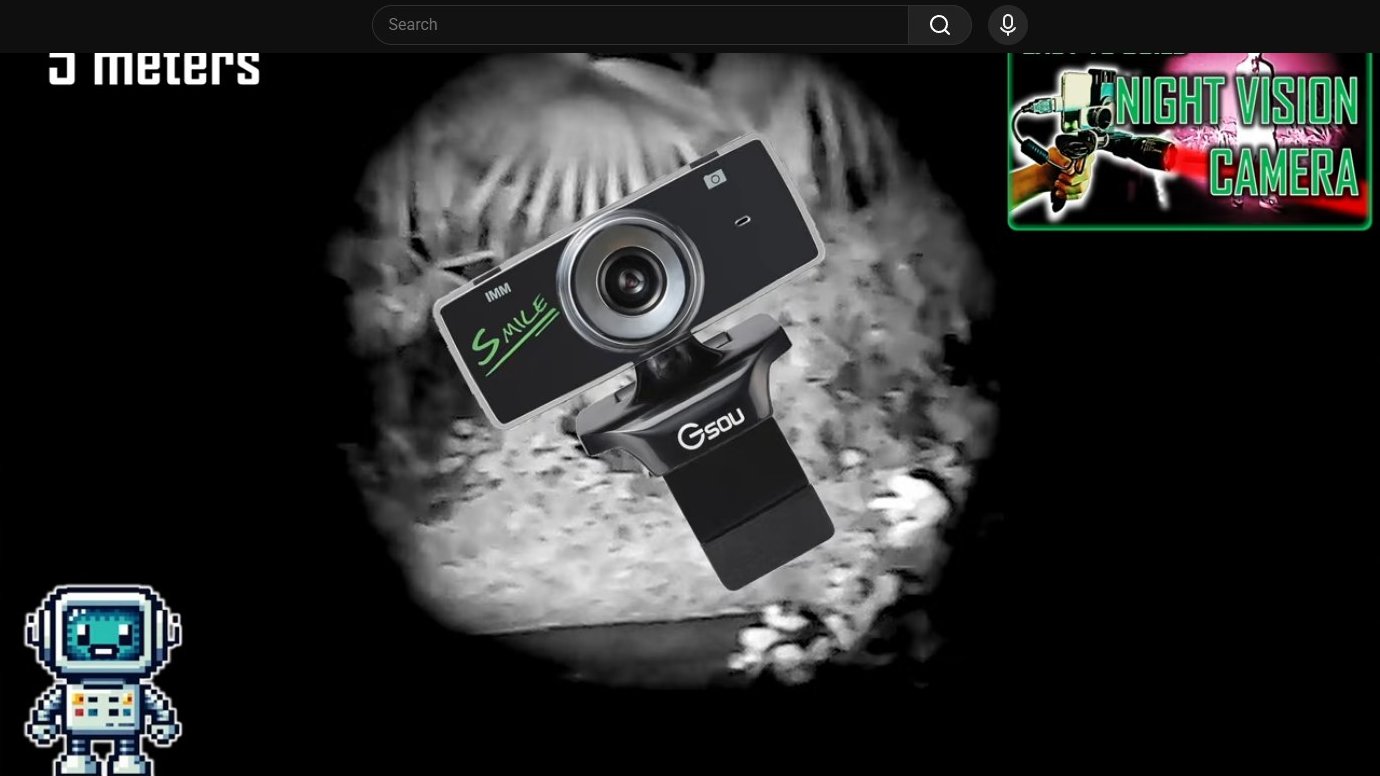
This isn't the first foray into DIY night vision. Previous builds included an ultra-cheap webcam system, a high-definition setup for better range, and even a smartphone plug-in module. But for kilometer-scale surveillance, every component needed an upgrade—more powerful illumination and much higher magnification optics.
The Laser Illumination Challenge
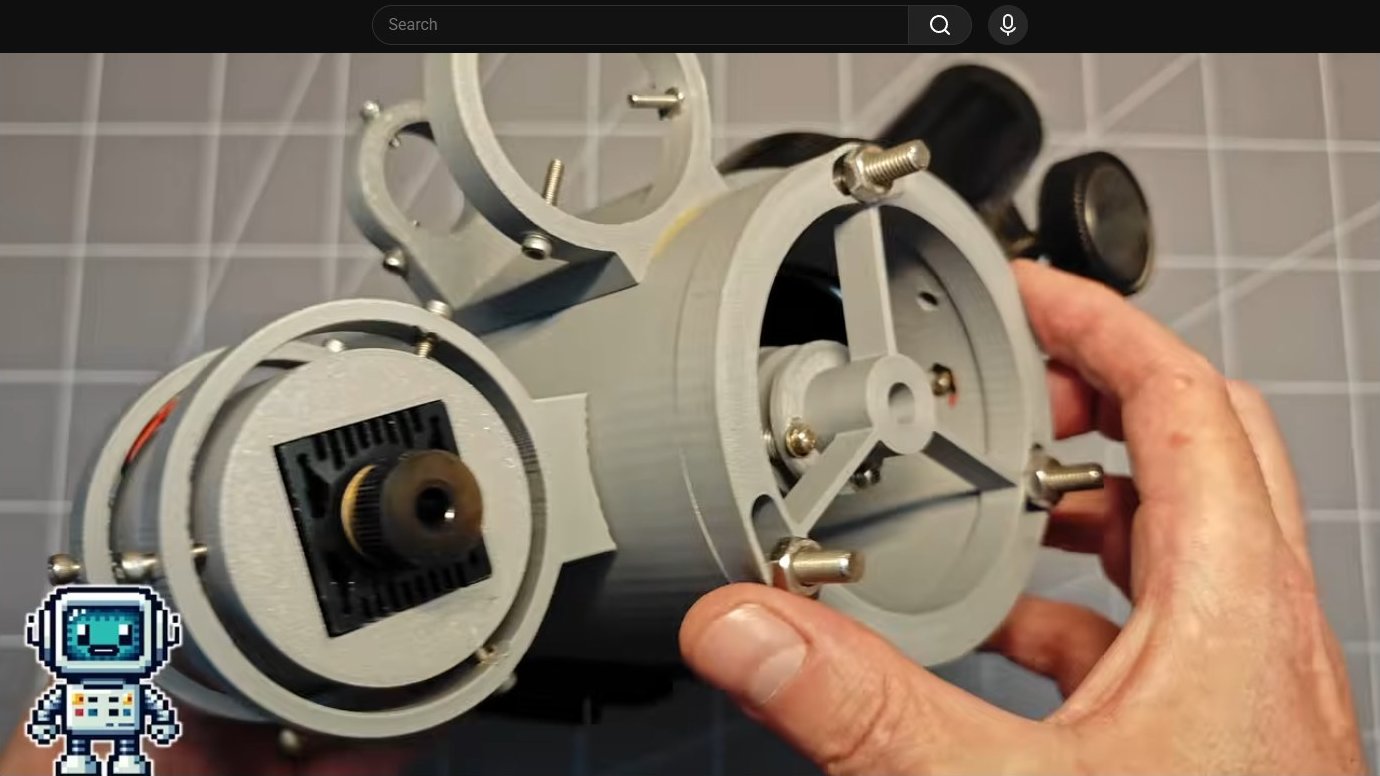
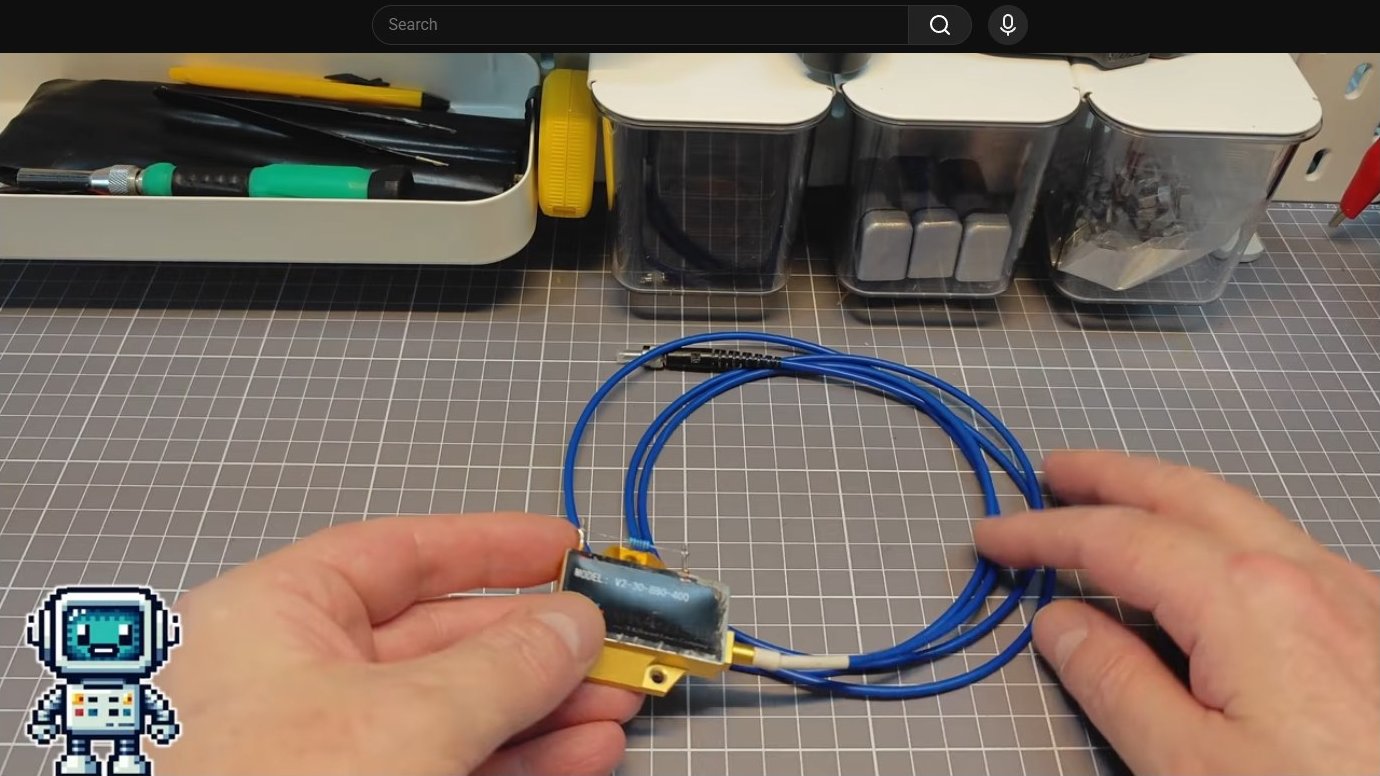
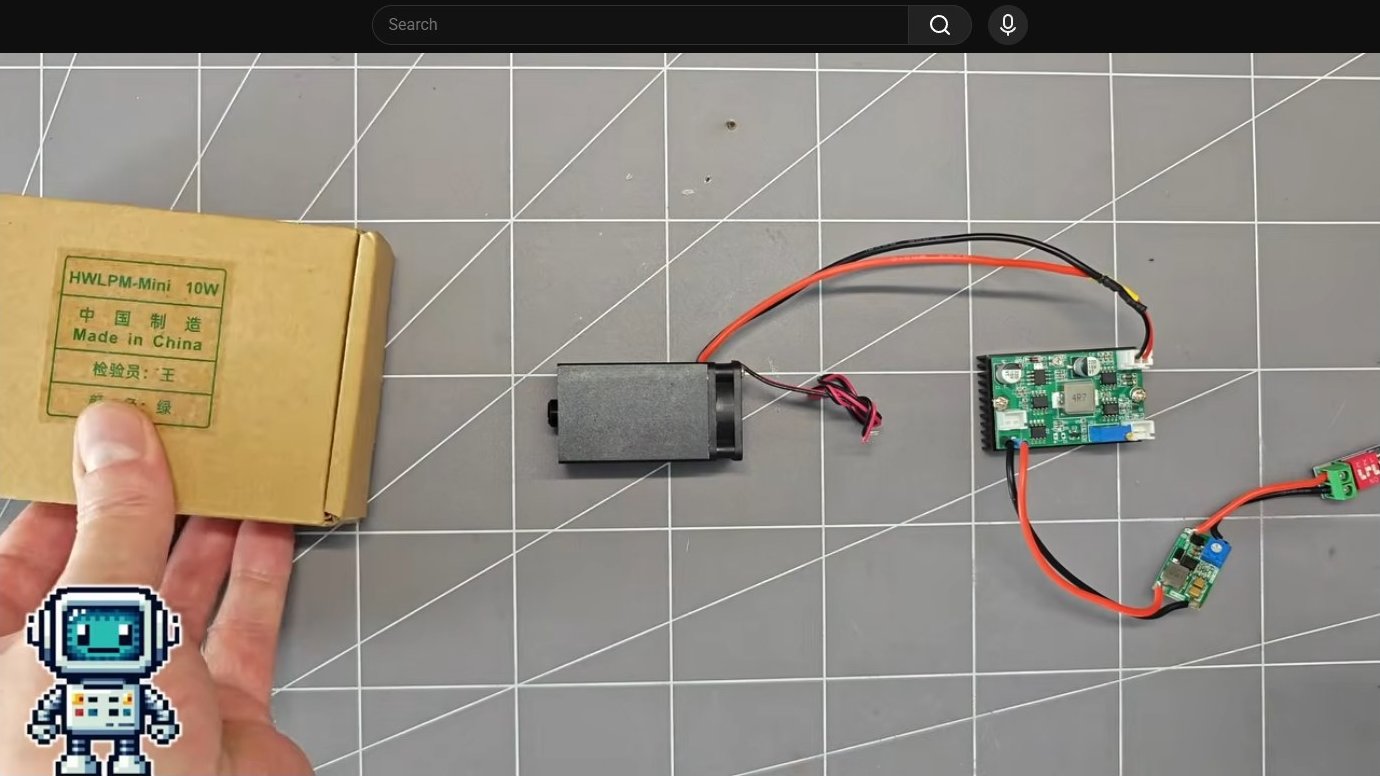
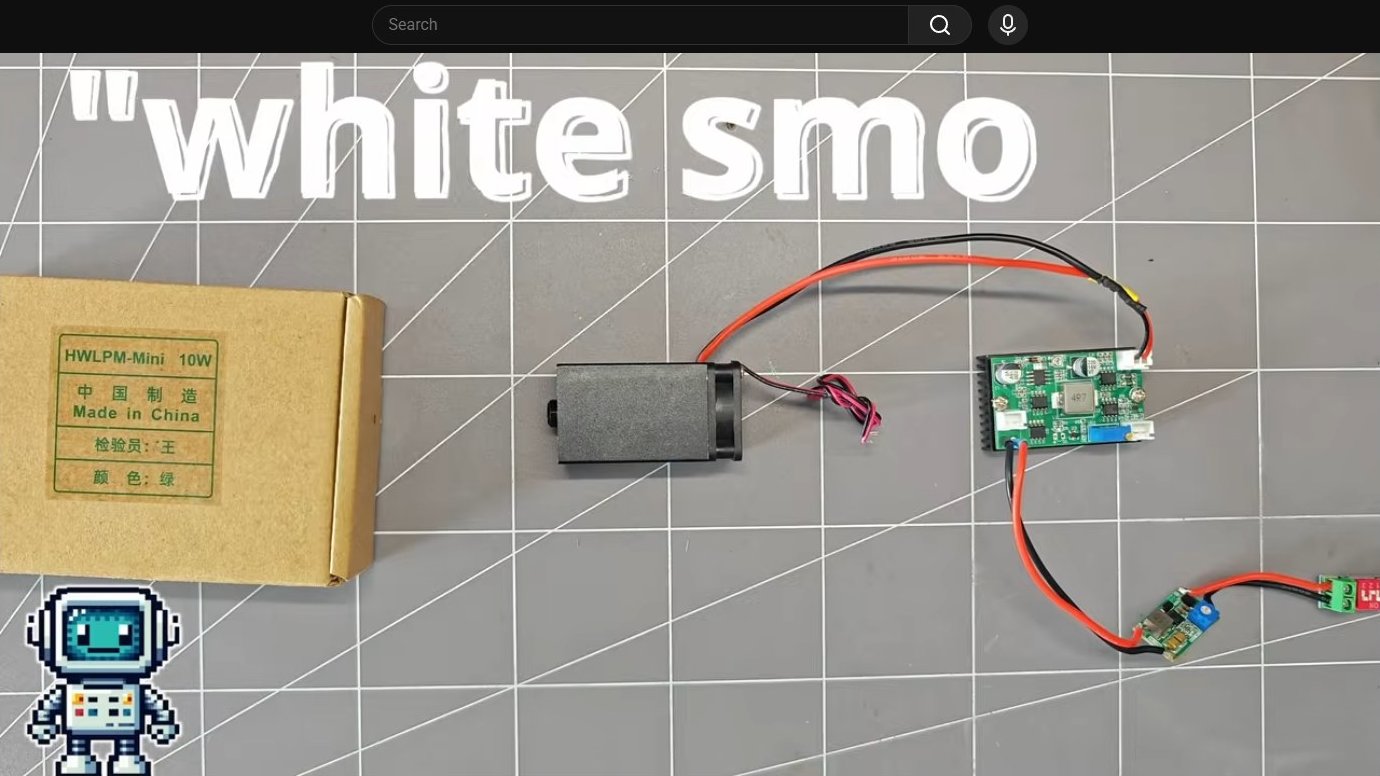
Infrared LEDs couldn't deliver the collimated beam needed for such distances. A laser became the only practical solution. The search for the right laser took months, with multiple setbacks including accidental destruction of a perfectly suited fiber-coupled 880 nm industrial diode due to overvoltage.
Settling on a Working Solution
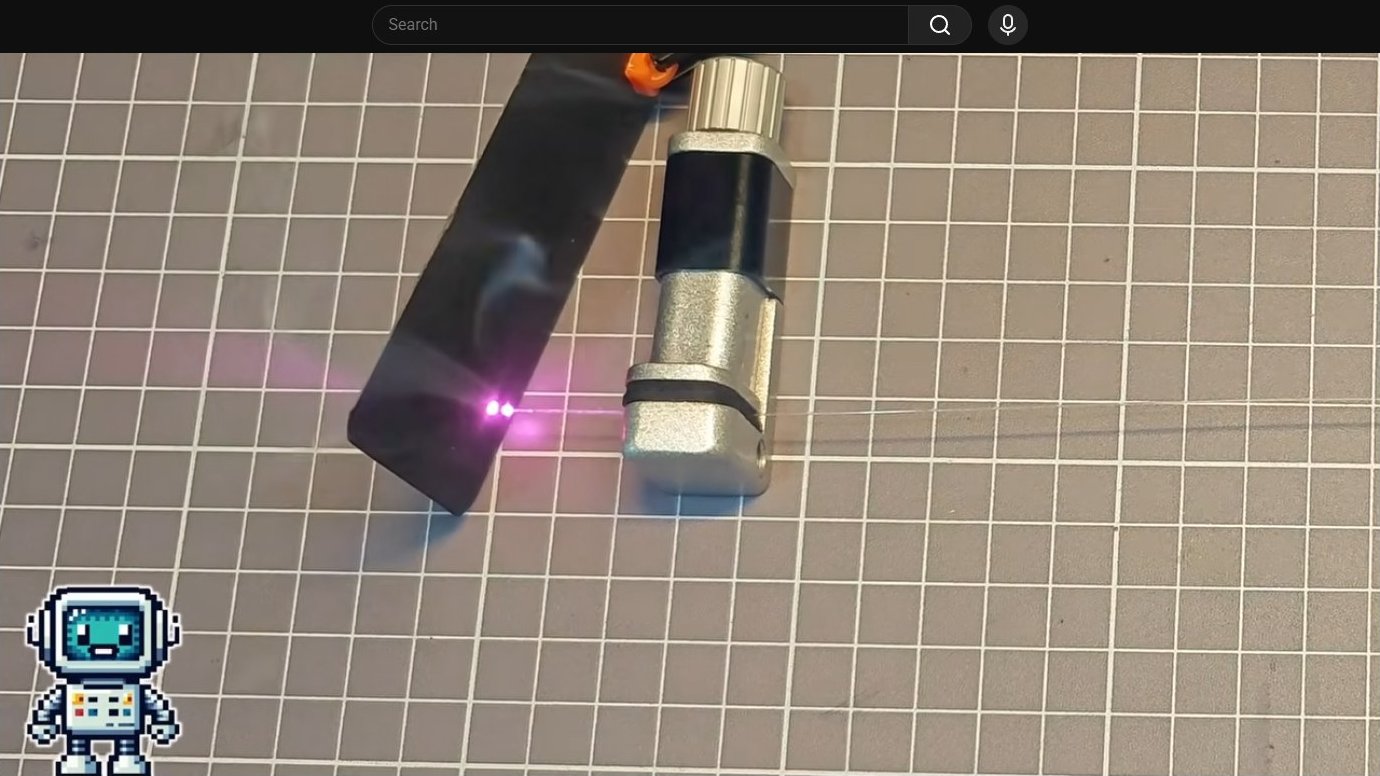
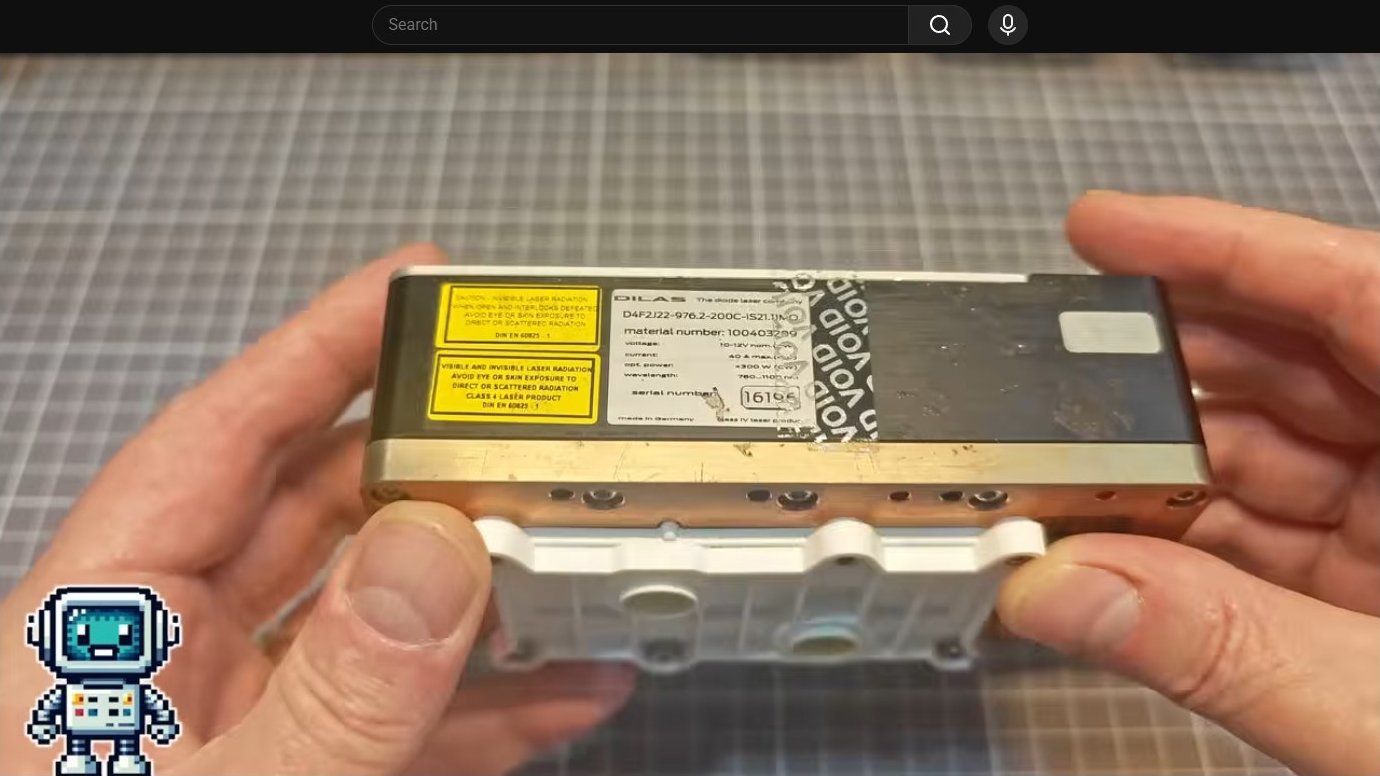
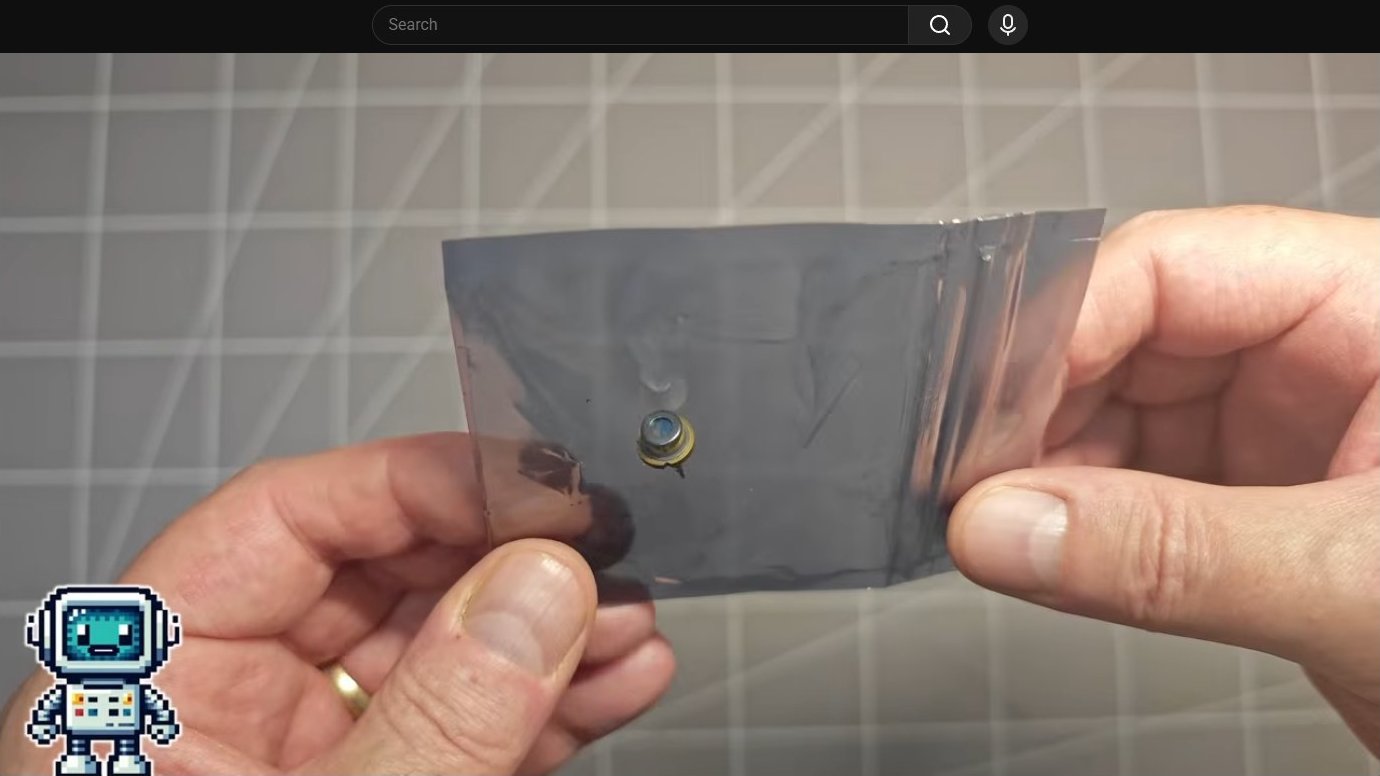
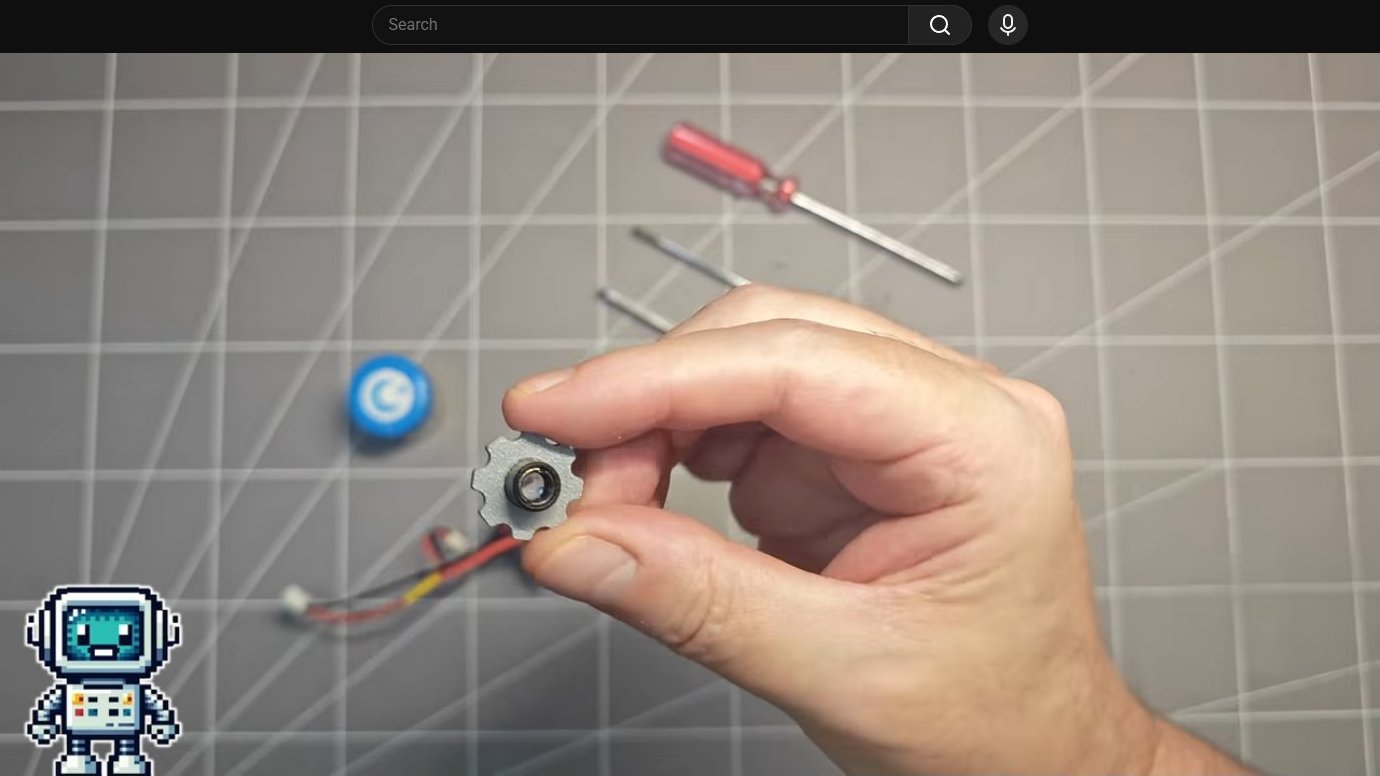
After testing various lasers—including a monstrous 300 W fiber-coupled unit—the final choice was a VCSEL array rated at 4 W. Although more expensive than the secondhand monsters, its compact form factor and closer-together emitting elements made it suitable. A 3D-printed knob allowed safe focusing without burning fingers.
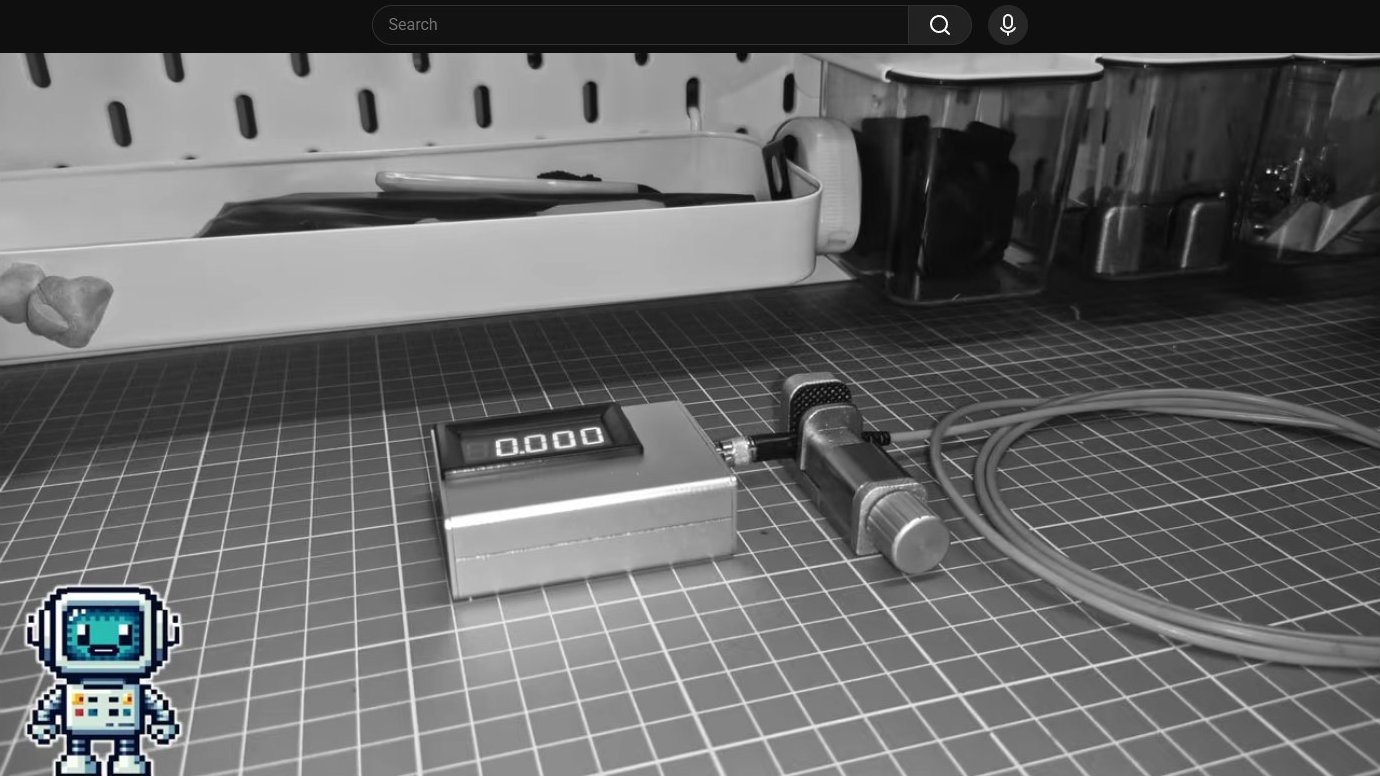
Testing showed the optical output measured just over 2 W. While not record-breaking, it was enough to proceed with safety calculations and field trials.
Safety First: Laser Regulations and Precautions
Laser safety cannot be overstated. Infrared light is invisible to the human eye, so the natural blink reflex doesn't protect you. Every experiment was conducted wearing infrared-specific safety goggles tested to block at least 99.9% of the laser's wavelength (OD3 rating).
At 500 m, the beam covered roughly 27 square meters with a radiant flux of 74 mW/m². This is 135 times below eyesafe regulations, over 13,000 times dimmer than sunlight, and only about 25 times brighter than moonlight. Additional precautions included placing the observation post atop a tall building to avoid accidental illumination of bystanders.
Unexpected Discovery: Atmospheric Attenuation
Field measurements using a USB spectrometer revealed a surprise: the laser's output at distance was much lower than calculated. The 940 nm wavelength happened to coincide with a major atmospheric absorption band for water vapor. In tropical humidity, up to 70% of optical energy was lost to absorption and scattering.
This was a valuable lesson. Measurements varied day by day depending on humidity levels. While disappointing, the effect was consistent with published atmospheric absorption spectra and offered a new understanding of wavelength selection for outdoor infrared applications.
System Assembly and Preparation
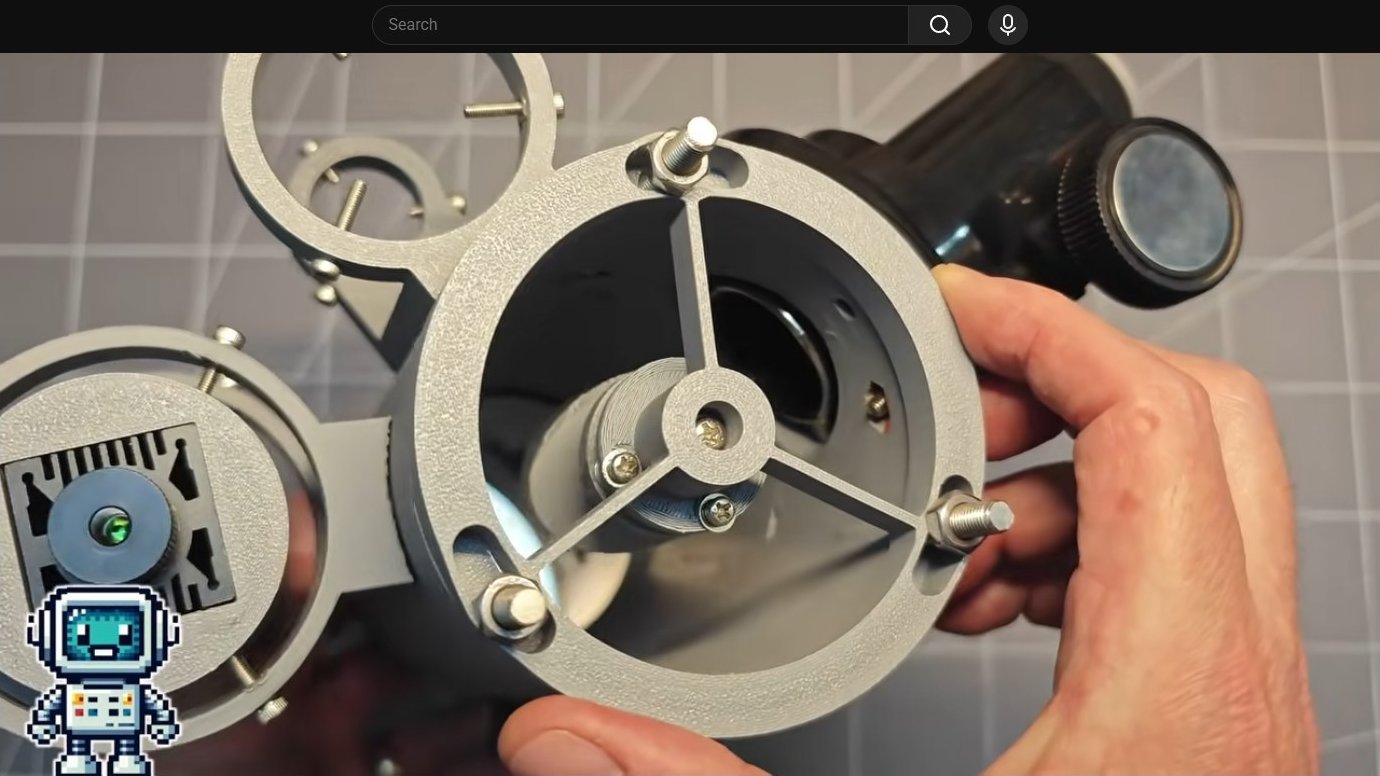
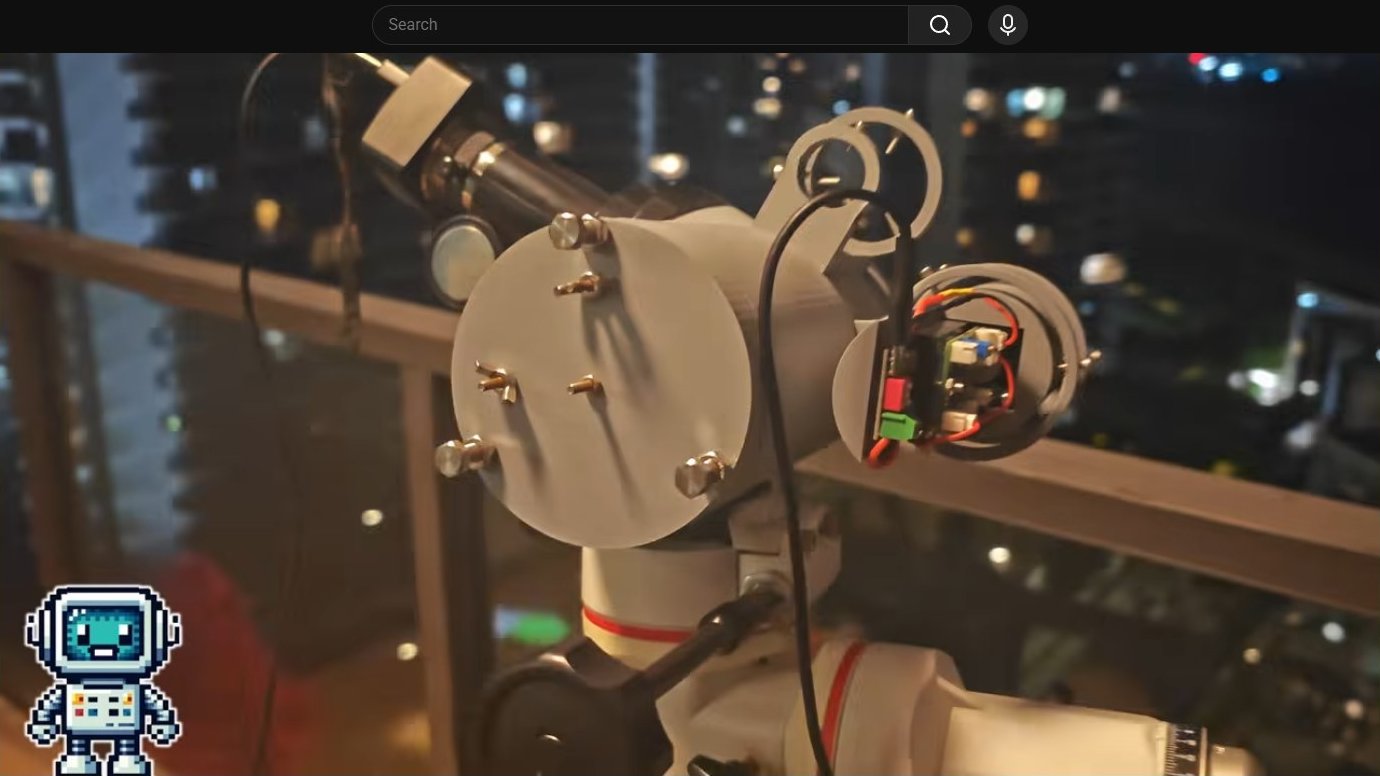
The system consisted of a telescope with an infrared-sensitive camera module (IR cut filter removed), the 940 nm VCSEL laser with collimating optics, and a suitable power supply. The alignment process was tedious, taking over an hour to get even halfway correct.
Once assembled, preliminary tests showed promise. Comparisons with consumer IR devices like security cameras and entry phones revealed that the DIY laser, even with atmospheric losses at 500 m, performed comparably.
Field Testing: A Weekend at the Seaside
With the family away for the weekend, it was time for a lads' trip to a quiet seaside town. The low-season location offered cheap accommodation and, more importantly, a deserted beach perfect for testing without interference.
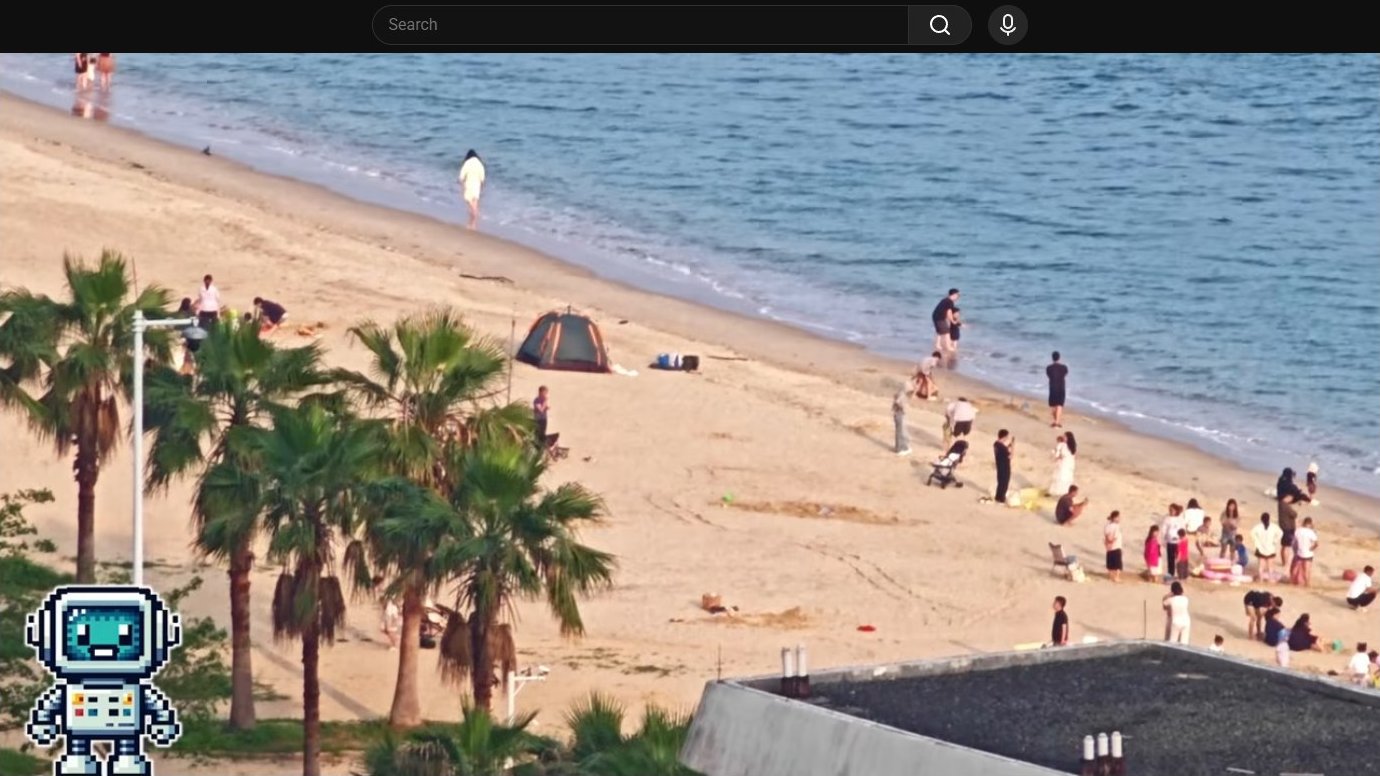
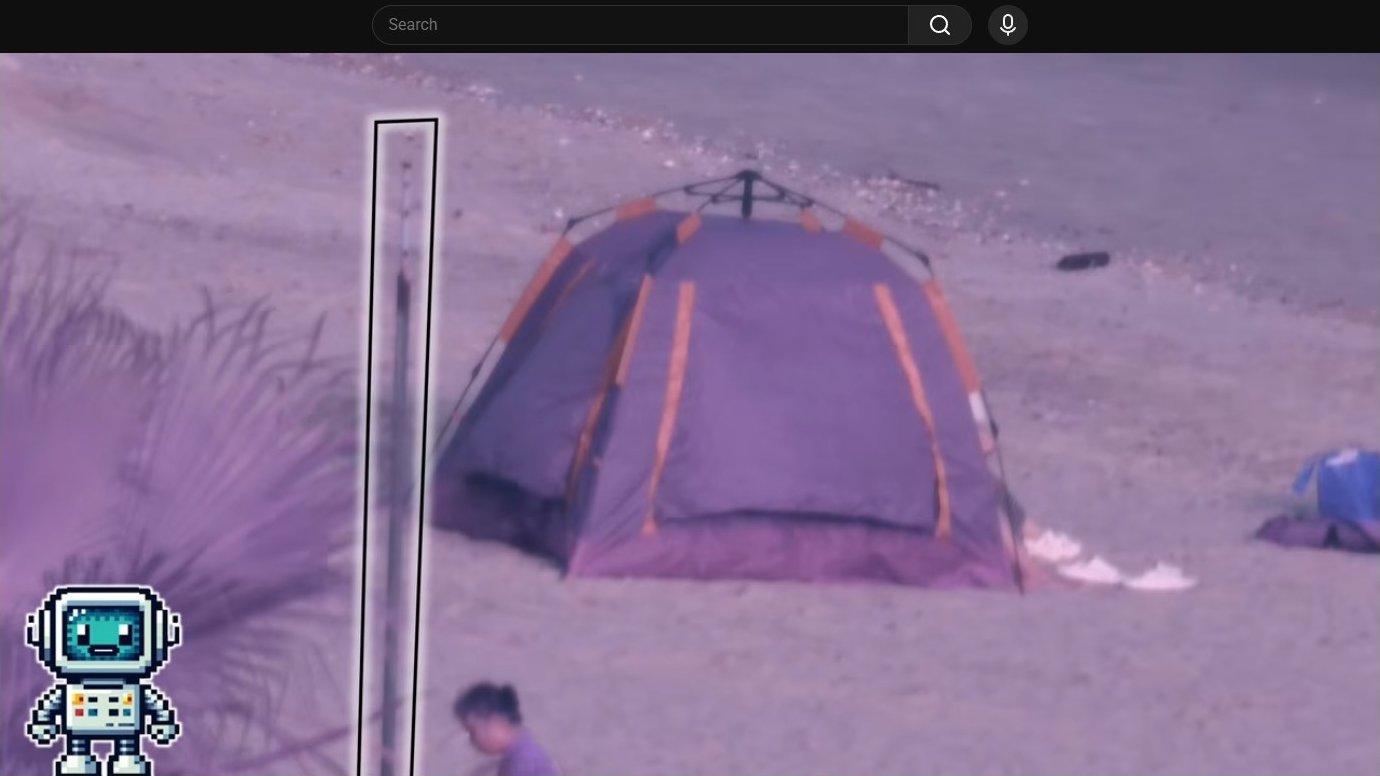
Scouting during daylight helped identify a target marker—a metal pole on the beach. As dusk fell, the team set up the telescope and laser, then waited for the beach lights to turn off to avoid ambient interference.
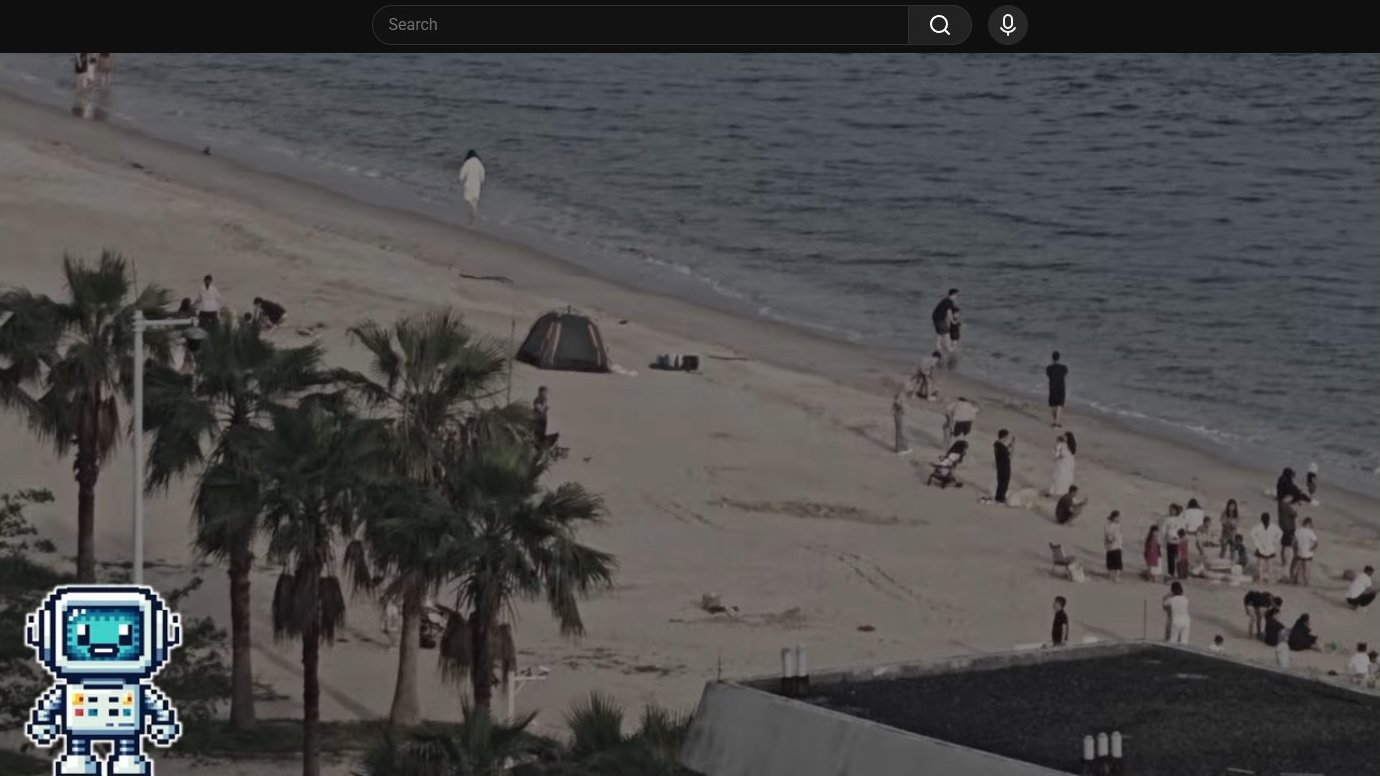
Night Vision in Action
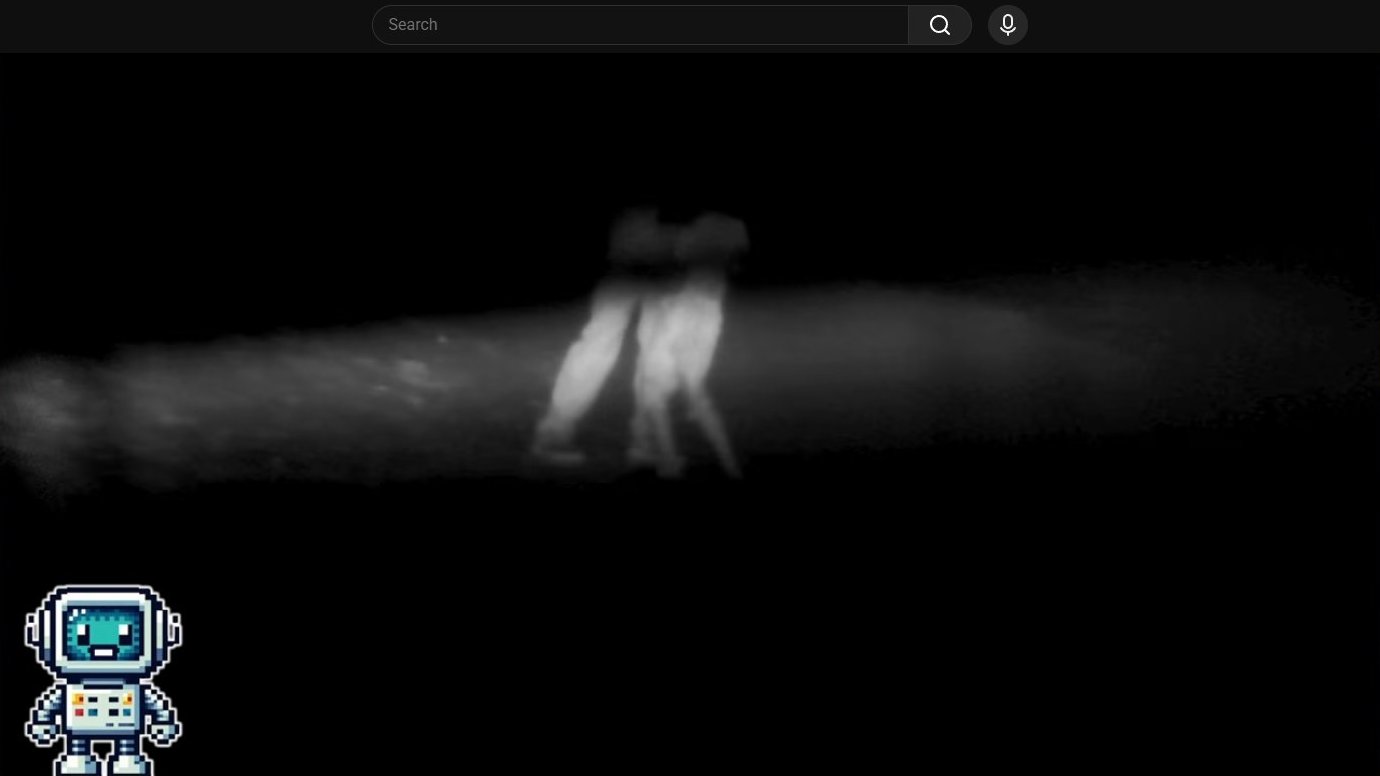
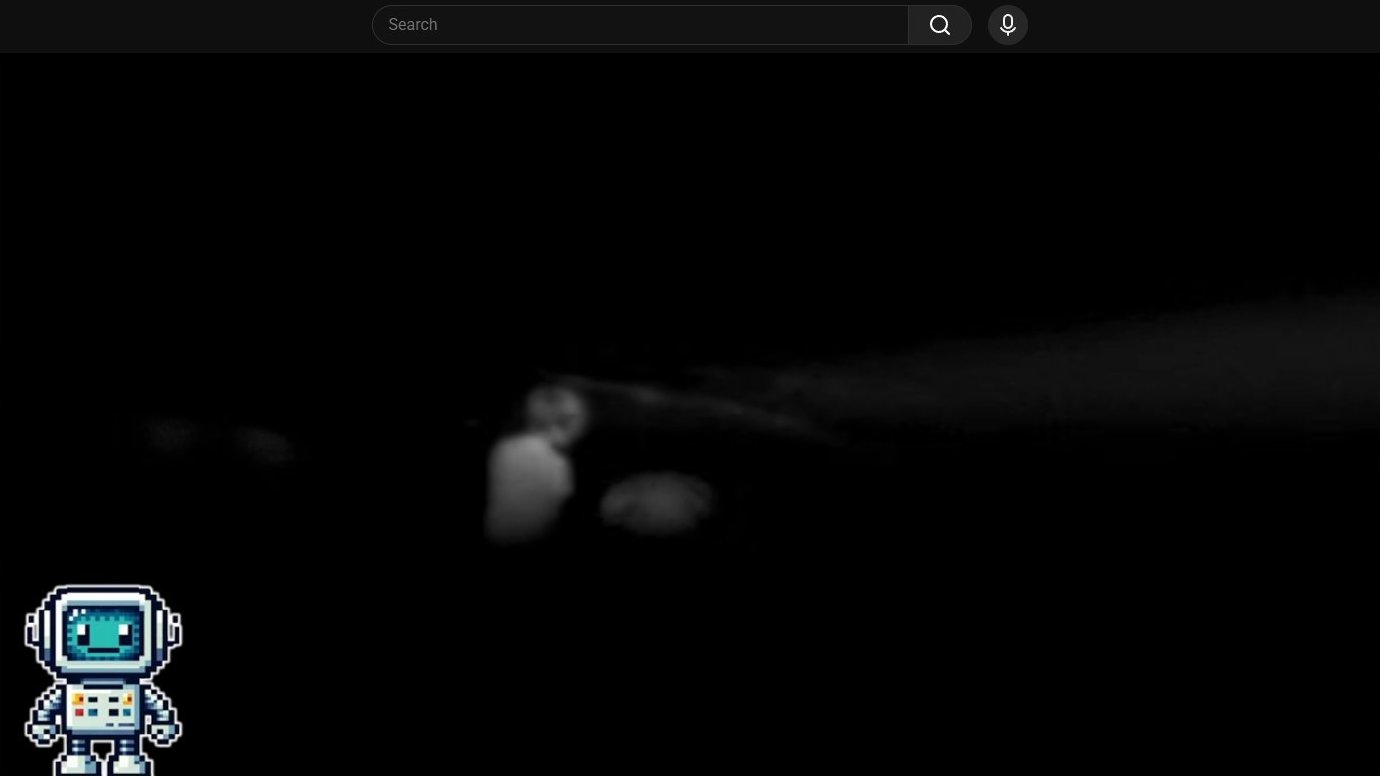
After the lights went dark, locating the kids in the gloom took about 20 minutes of telescope scanning. Eventually, clear video images came through. The raw footage was quite dim, but heavy post-processing boosted contrast enough to demonstrate the system's capability.
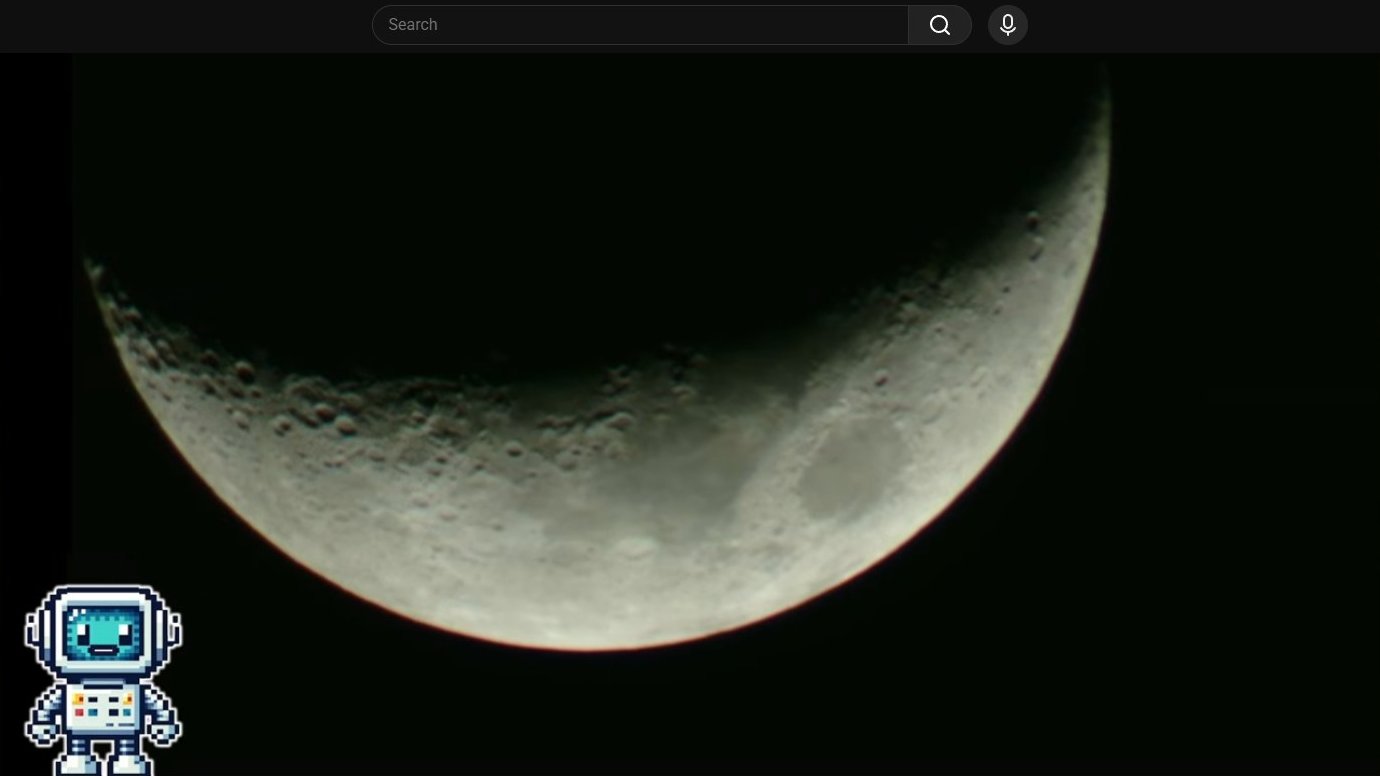
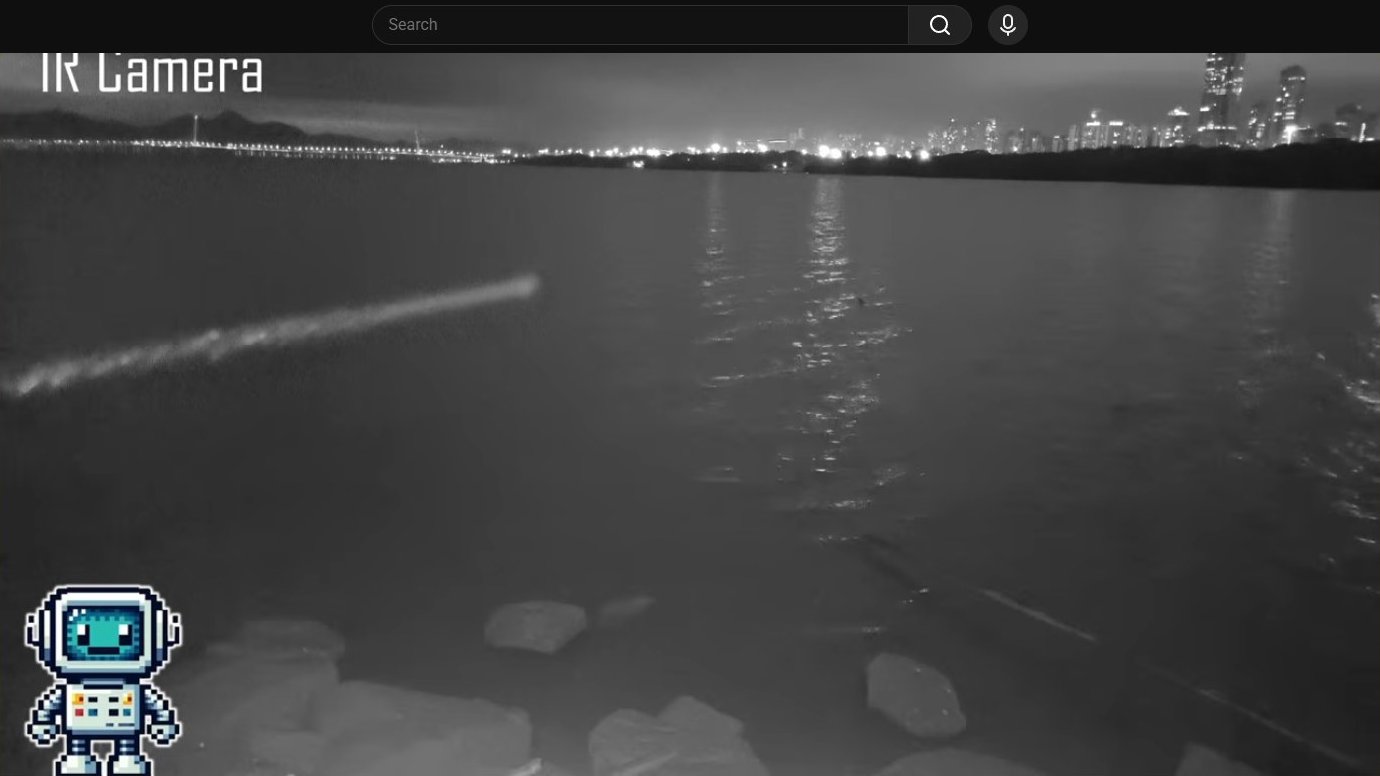
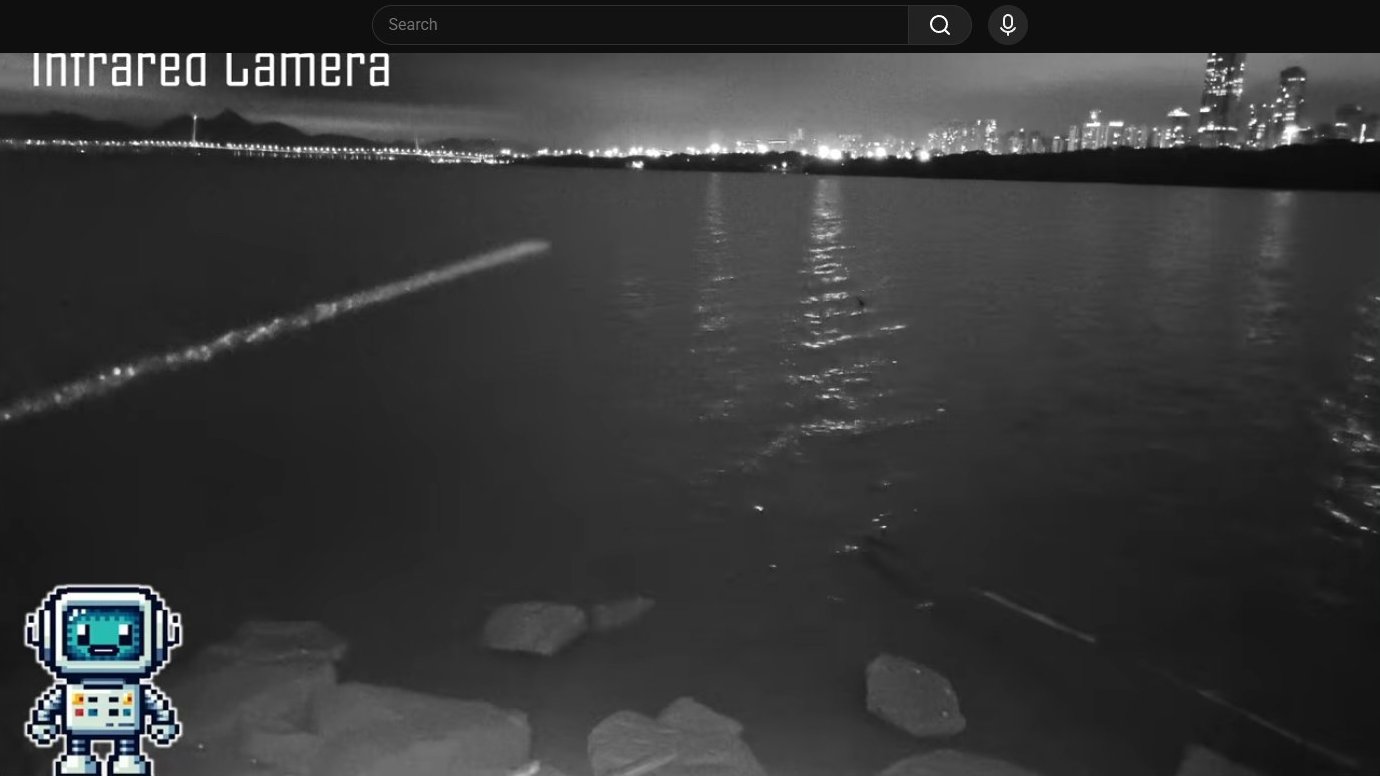
The visible scattering of the laser beam in humid air—clearly visible on infrared camera—was another clue about atmospheric losses. But the system worked well enough to claim success.
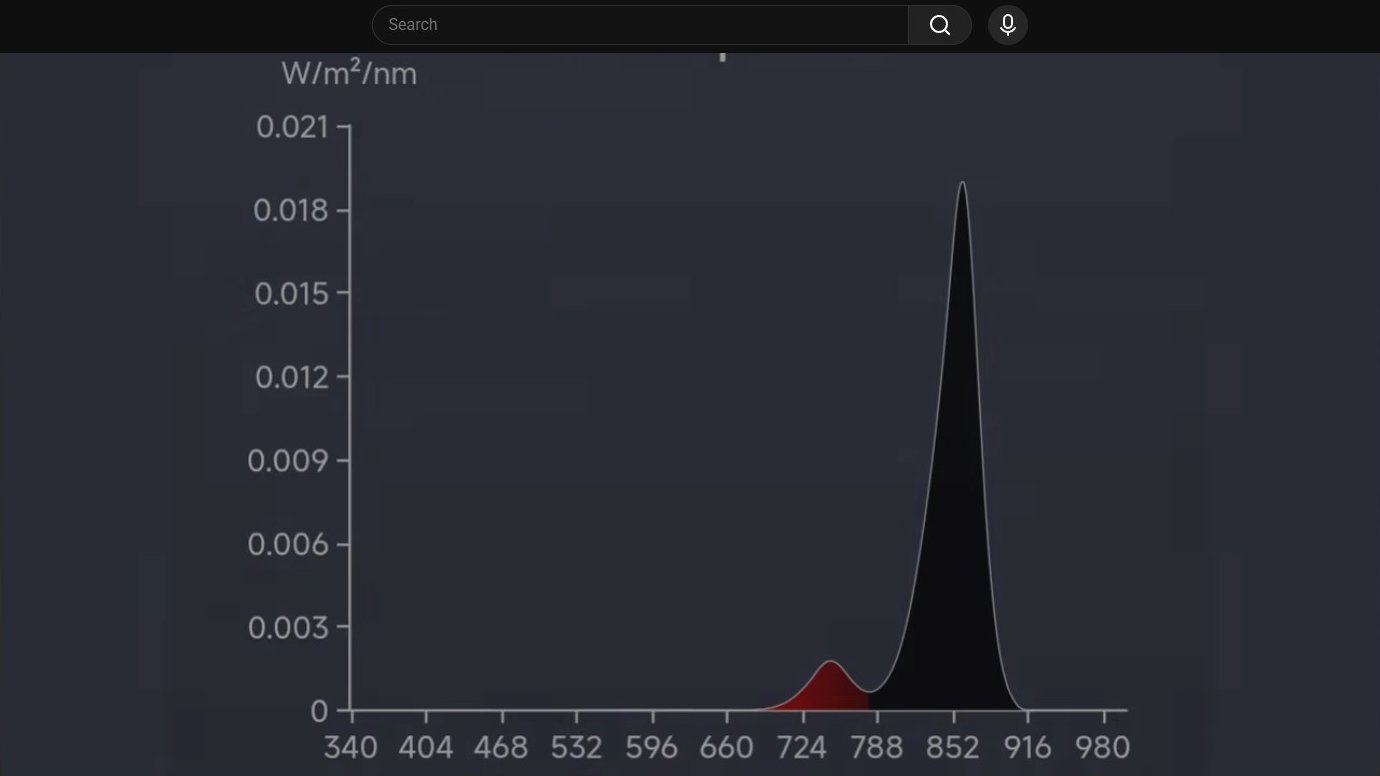
Performance Comparison and Spectral Analysis
Spectrometer readings showed the 940 nm laser's output at range was similar to common consumer devices like Ring doorbells and security cameras. An entry phone actually measured over double the radiant flux at comparable distances, highlighting that the DIY setup wasn't exactly military-grade.
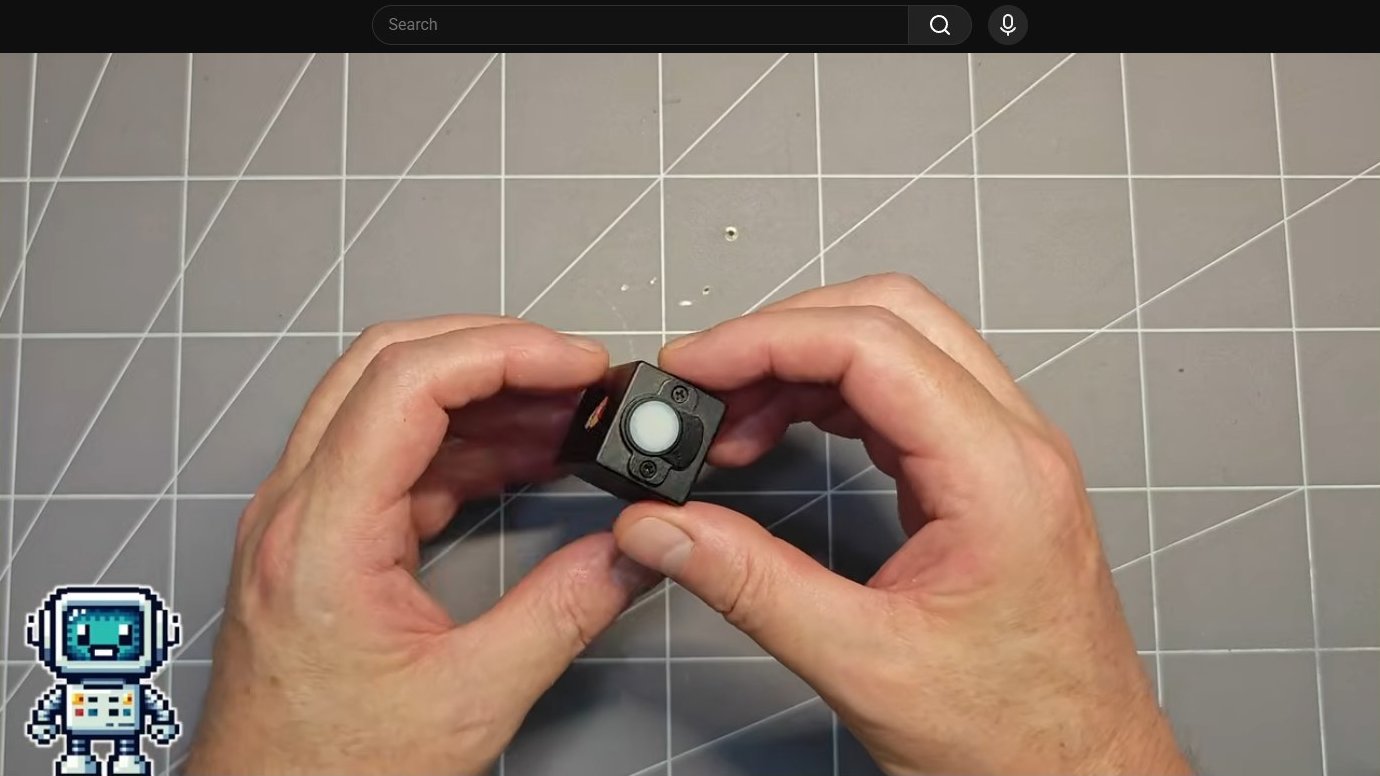
Still, for a cobbled-together system using secondhand and budget parts, the results were respectable. The beam profile's irregular shape did limit performance, but the core concept was validated.
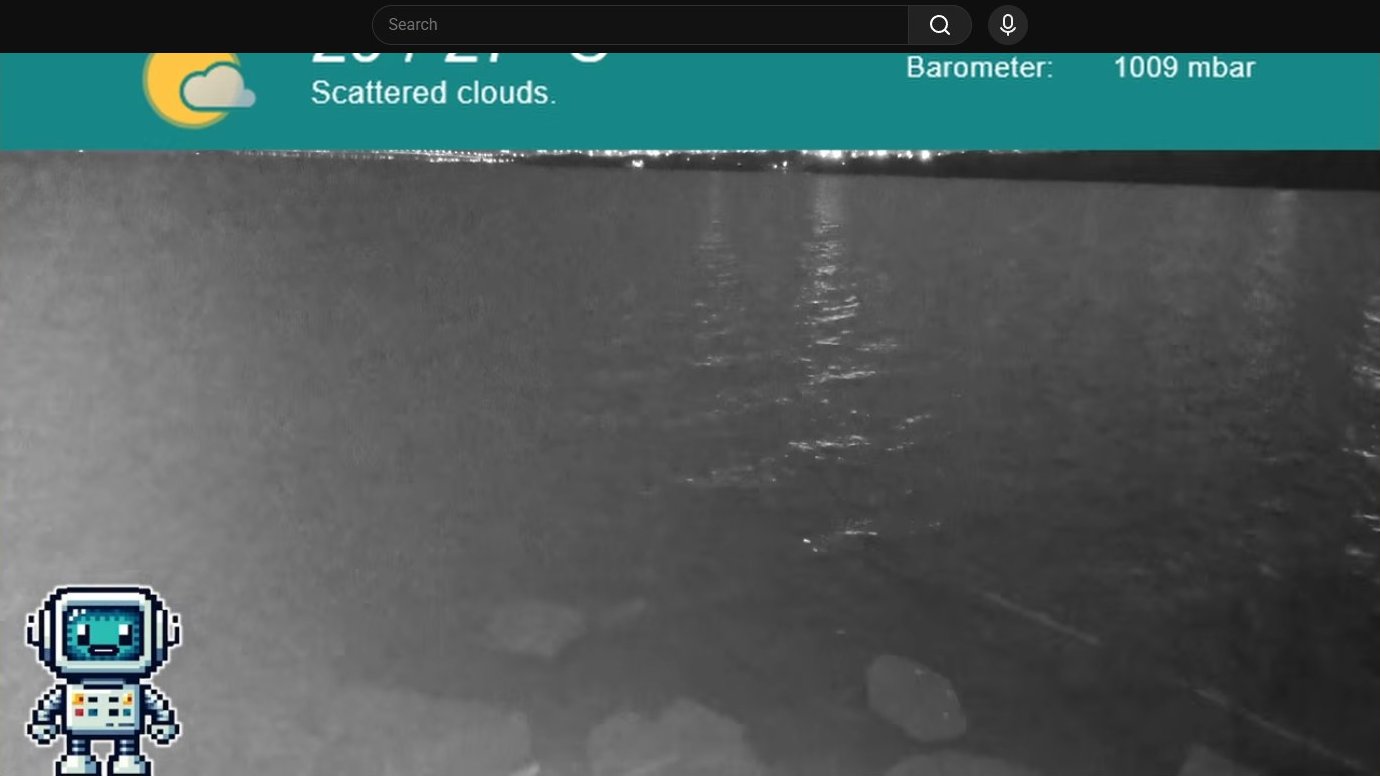
Camera Perspectives and Use Cases
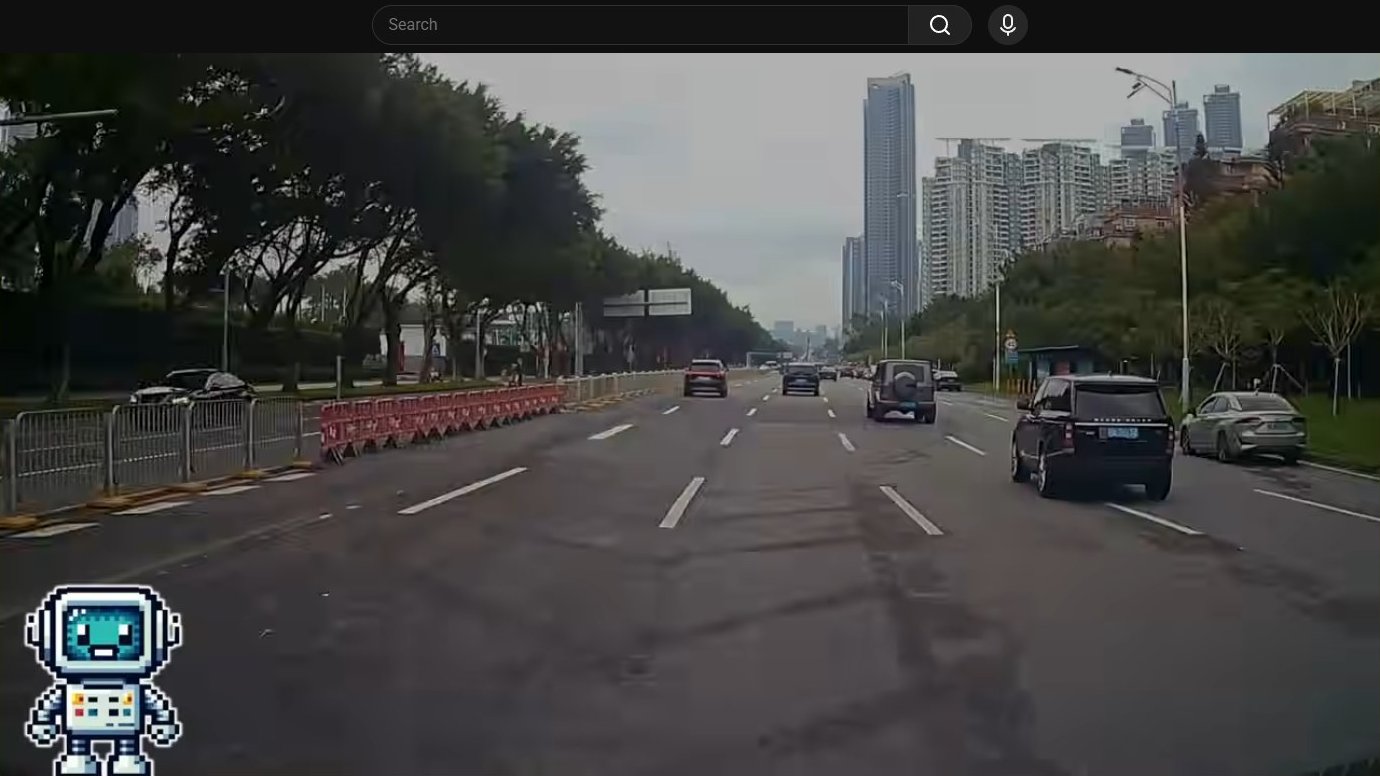
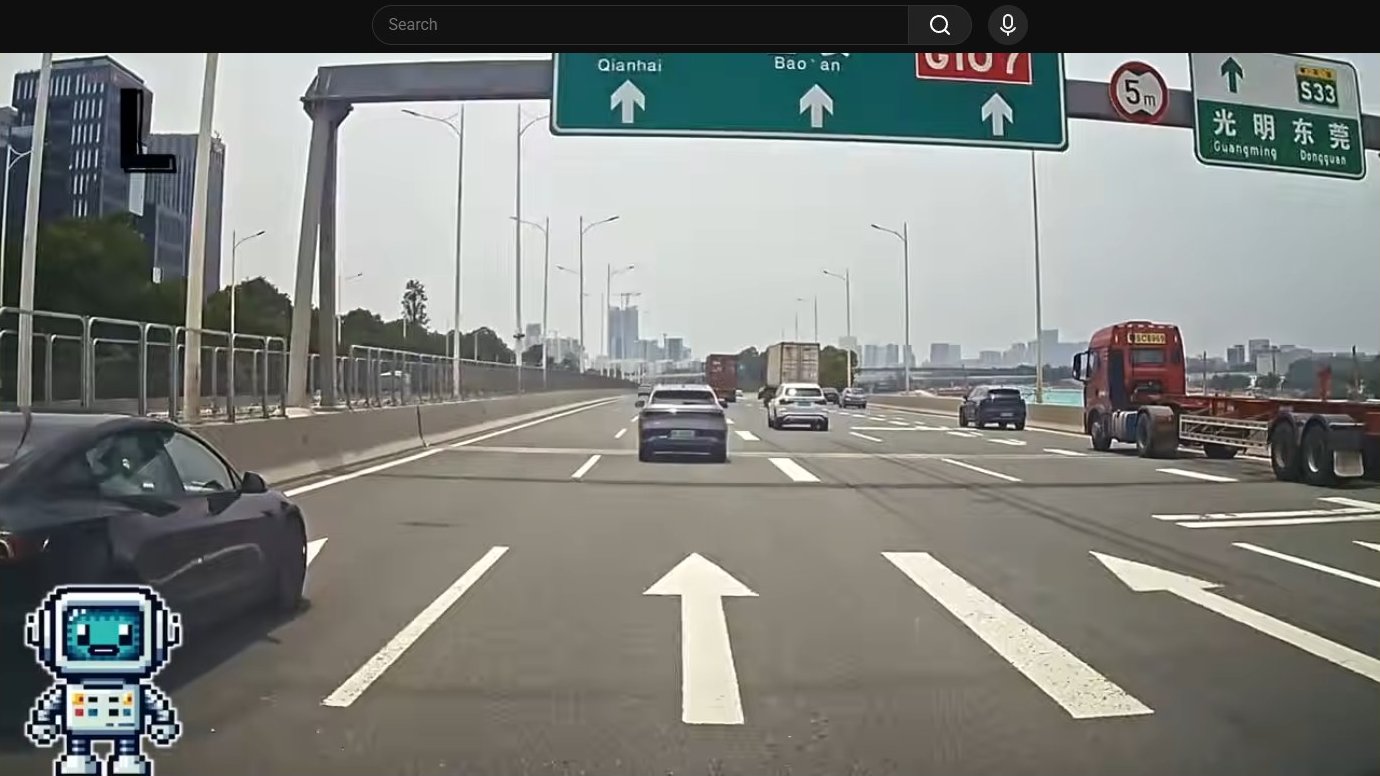
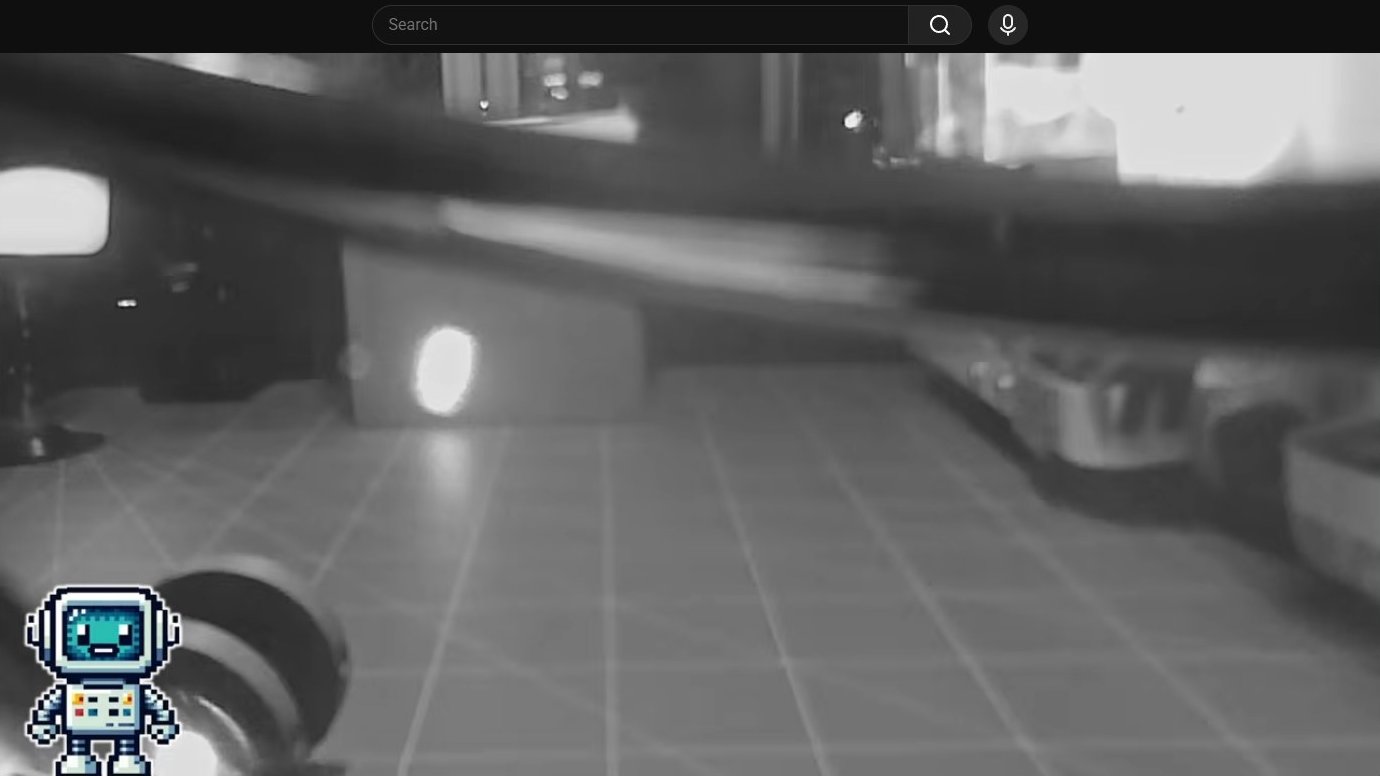
The system's modular design allowed testing different camera modules. Footage captured varied from grainy IR views to surprisingly clear images after processing. Different environments—urban, coastal, open terrain—each posed unique challenges for infrared optics.
Mounted System and Urban Testing
Mounting the telescope assembly for stable, long-duration observation required robust hardware. The system was tested from a high building vantage point, ensuring no accidental illumination of non-participants. Urban night scenes provided additional test data on scattering and resolution.
Infrared Optics and Component Breakdown
The telescope's optical train was straightforward: a primary lens, focusing mechanism, and camera sensor stripped of its IR filter. Collimating optics for the laser ensured the beam remained as parallel as possible over long distances.
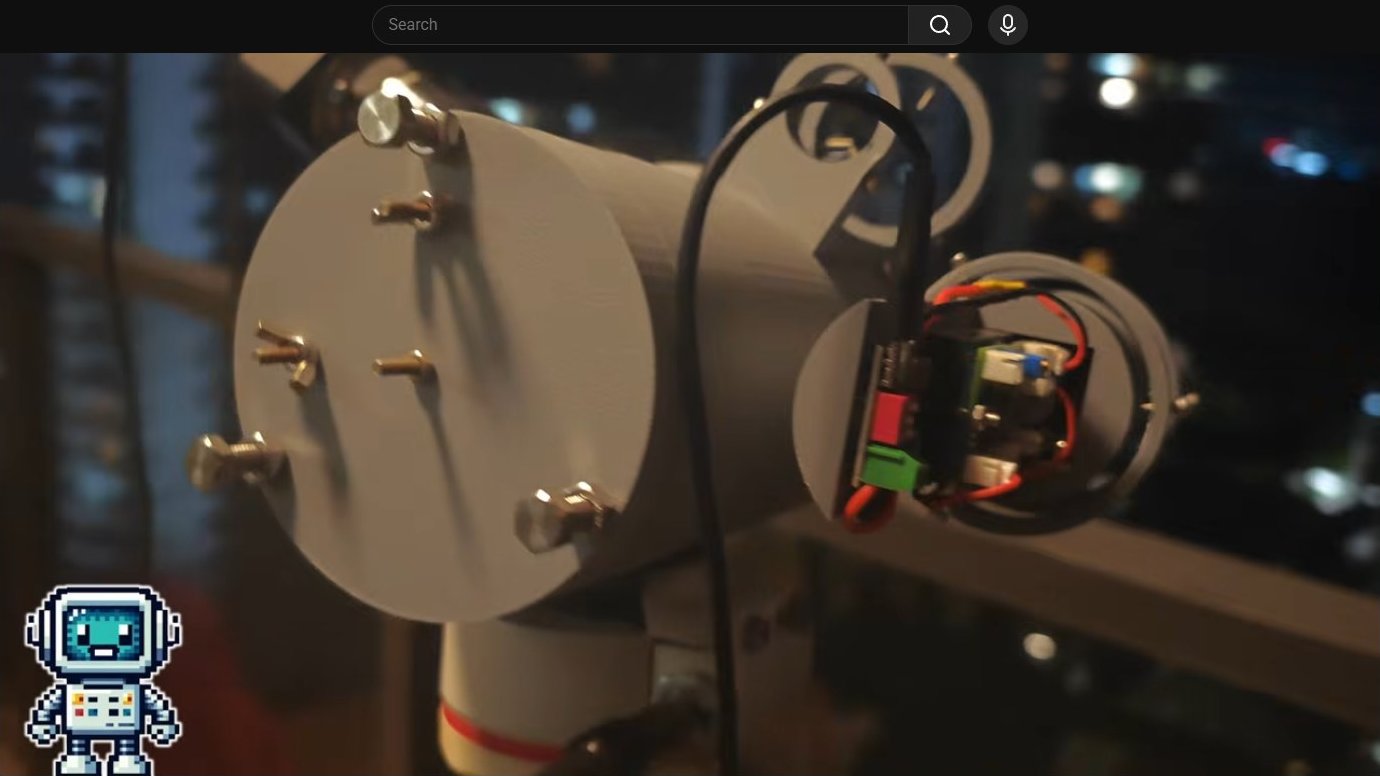
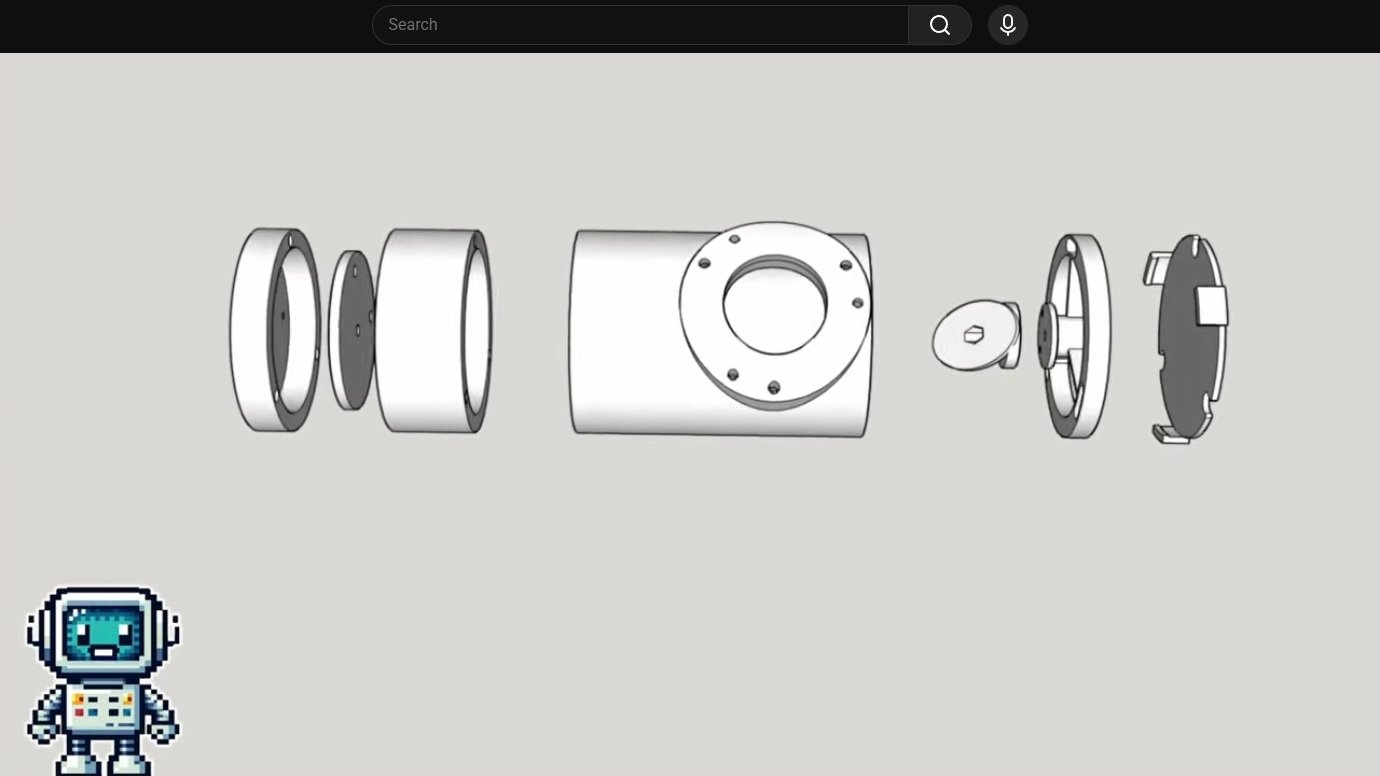
Each component contributed to the overall system performance, and small improvements—like better alignment hardware—would significantly boost usability.
Final Testing and Remote Control Concept
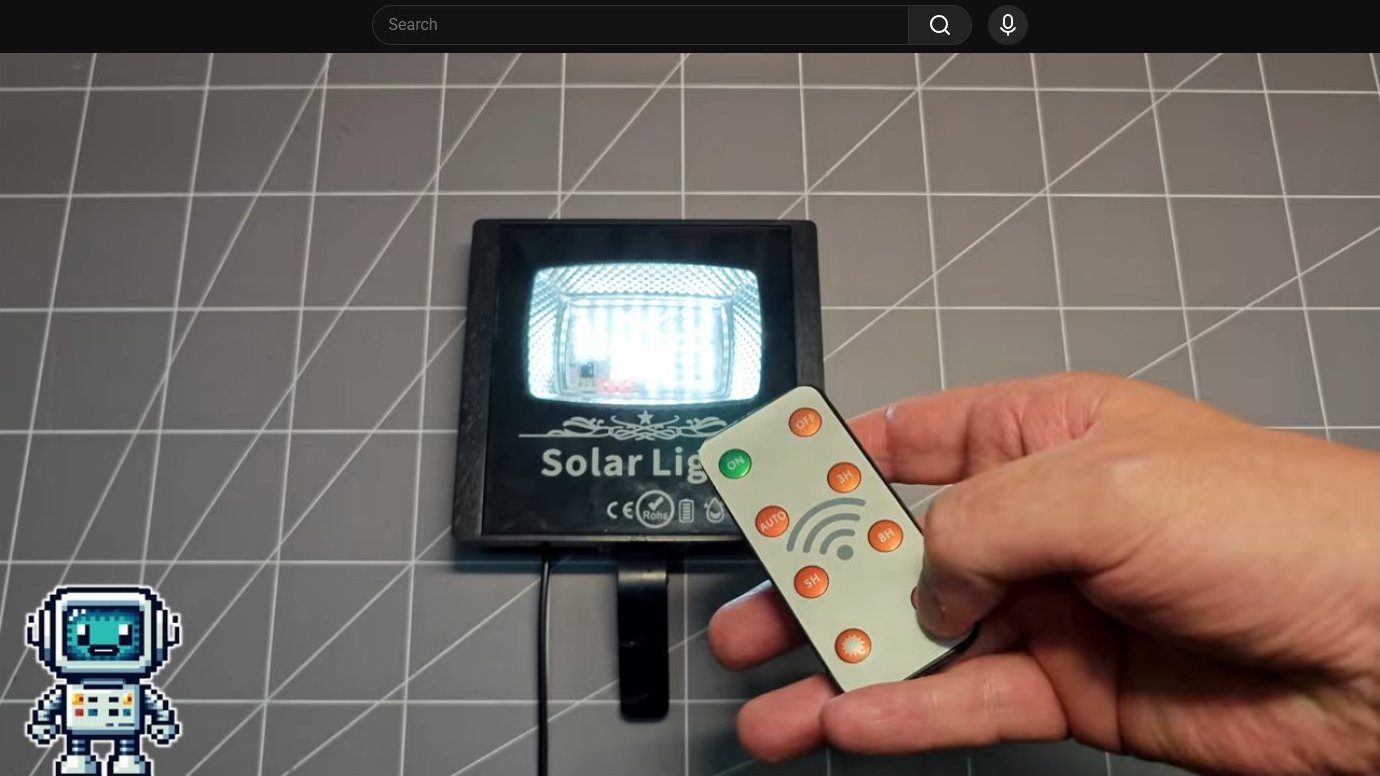
A potential future project involves using this wavelength for ultra-long-range infrared remote control. The 940 nm choice was deliberate, serving dual purposes for both night vision and remote signaling experiments.
Between each use of the laser, participants shone standard flashlights to prevent pupil dilation, reducing light intake by up to 16 times. This simple precaution added another layer of safety.
Lessons Learned and Final Thoughts
The most valuable takeaway was understanding atmospheric attenuation at 940 nm. Humidity-driven absorption reduced effective power by up to 70%, a factor critical for anyone planning outdoor infrared projects in tropical climates. The beam's irregular profile also highlighted the importance of selecting proper laser diodes with round, well-collimated beams.
Despite setbacks—destroyed lasers, alignment struggles, and unexpected physics—the project succeeded in demonstrating feasibility. This system won't win military contracts, but it proved the concept and offered plenty of learning opportunities.
No detailed parts lists or construction guides will be shared—if you're knowledgeable enough to use this safely, you don't need hand-holding. For everyone else, enjoy the video and don't try this at home.
Closing Notes and Future Directions
This hobby project stretched over months with limited resources, yet delivered functional results. Future iterations could explore better lasers, improved alignment systems, or alternative wavelengths less affected by atmospheric conditions.
Ideas for new topics are always welcome in the comments. Whether good, bad, or somewhere in between, ideas fuel creativity. The only truly tragic thing is to have no ideas at all.
Key takeaways
- → Long-range night vision requires powerful, collimated infrared lasers and high-magnification optics.
- → Atmospheric humidity at 940 nm can absorb up to 70% of IR energy due to water vapor absorption bands.
- → Laser safety is paramount: use proper goggles, calculate beam geometry, and follow international regulations.
- → VCSEL arrays and fiber-coupled lasers offer different trade-offs in beam quality and power output.
- → Even consumer devices like doorbells can emit comparable IR flux to DIY systems at moderate ranges.
- → Beam alignment between laser and telescope is tedious but critical for effective illumination.
- → Wavelength selection should account for atmospheric absorption spectra in your operating environment.