Annotated transcription · 12 min read
The T-72's Carousel Autoloader: Engineering Elegance at the Heart of a Cold War Icon
How Soviet design philosophy traded a fourth crewman for unprecedented compactness—and what that really means for survivability.
Designing for Conscripts: The T-72's Philosophy
The T-72 emerged during the Cold War as part of a lineage stretching back through the T-62, T-55, and ultimately forward to the T-90. Each generation shared a core set of priorities shaped by Soviet doctrine: low silhouette, relative lightness compared to NATO counterparts, rugged simplicity, and formidable firepower. Weight hovered between 34 and 44 tons—substantially lighter than contemporaneous Western main battle tanks. This emphasis on accessibility mattered in armies built around short-term conscript service drawn from dozens of ethnic groups. Crew training had to be swift and intuitive.
The vehicle's development arose from fierce industrial rivalry. Two design bureaus competed: Morozov in Kharkiv and Uralvagon in Nizhny Tagil. Both had been tasked with creating the T-64, but persistent engineering challenges and bureaucratic infighting led to parallel production of both the T-64 and the T-72. By the 1980s, a peculiar situation had emerged—three distinct main battle tanks, the T-64, T-72, and T-80, were being manufactured simultaneously from rival plants. This redundancy reflected the complexities of Soviet procurement rather than rational force planning.
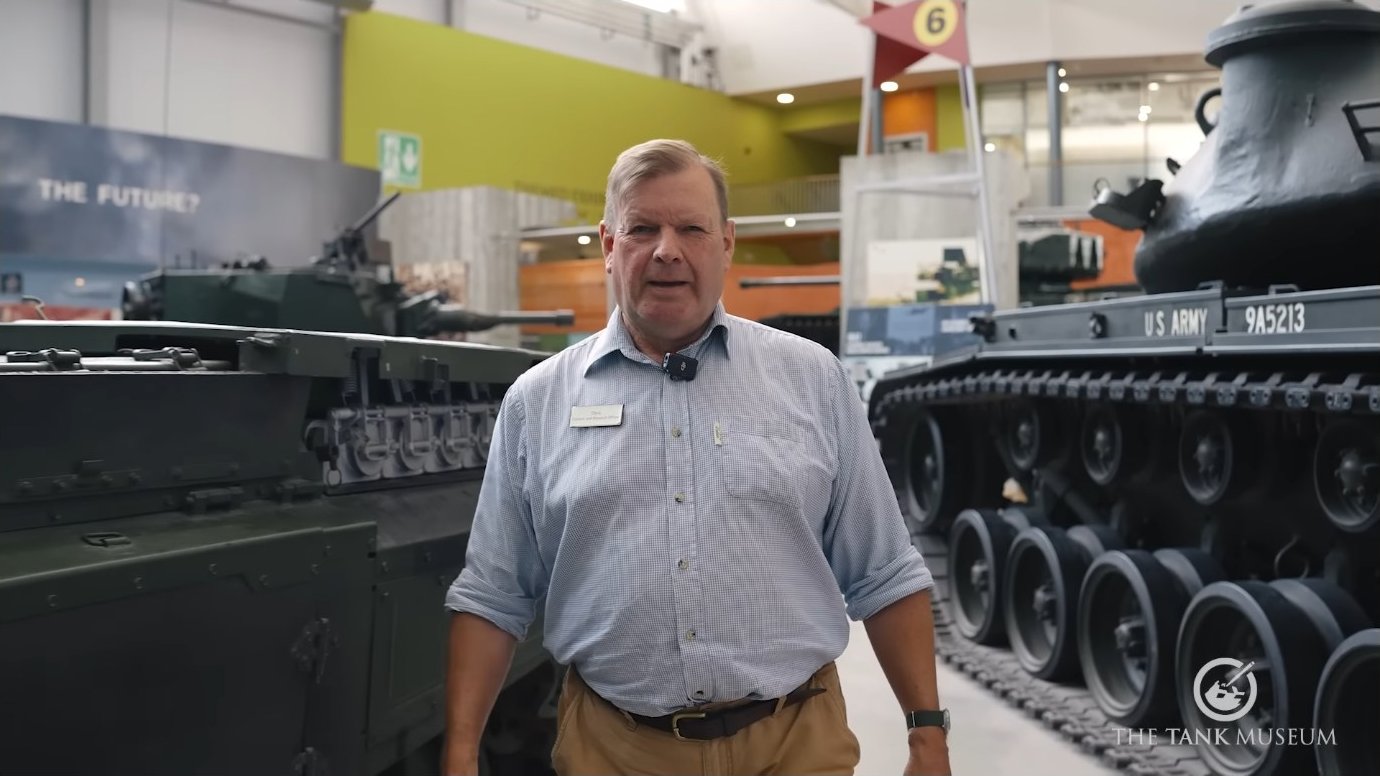
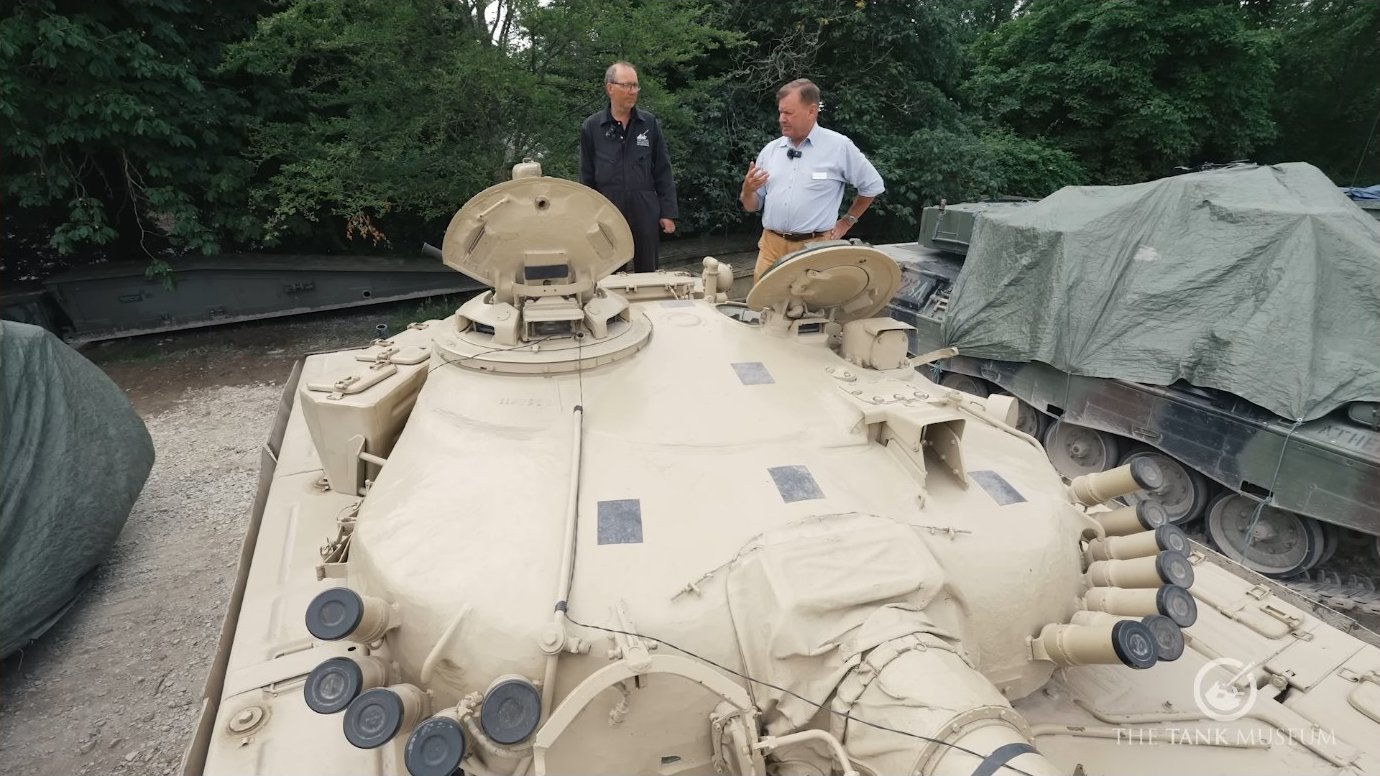
What distinguished the T-72 most starkly was its three-man crew. By installing an automated loading mechanism, Soviet engineers could eliminate the loader—the sole crewman who must stand to perform his duties. Remove him, and the entire fighting compartment shrinks vertically. The result is a tank noticeably lower than its Western peers, presenting a smaller target profile and complicating enemy gunnery.
Armament and Mobility
The T-72 mounts a 125mm smoothbore gun, among the largest-caliber weapons fitted to any main battle tank of its era. This weapon fires three primary munition types: high-explosive anti-tank (HEAT) rounds, armor-piercing fin-stabilized discarding sabot (APFSDS) kinetic penetrators, and the 9M119 Refleks—a gun-launched anti-tank guided missile. The gun's caliber and ammunition variety gave Soviet forces significant reach and lethality across engagement ranges.
Mobility was another design pillar. The T-72 is notably agile for its mass, with responsive steering and brisk acceleration. Cross-country performance benefits from a compact hull and relatively wide tracks. Power comes from a multi-fuel diesel engine that, while lacking an auxiliary power unit for silent watch, proved rugged and straightforward to maintain under field conditions.
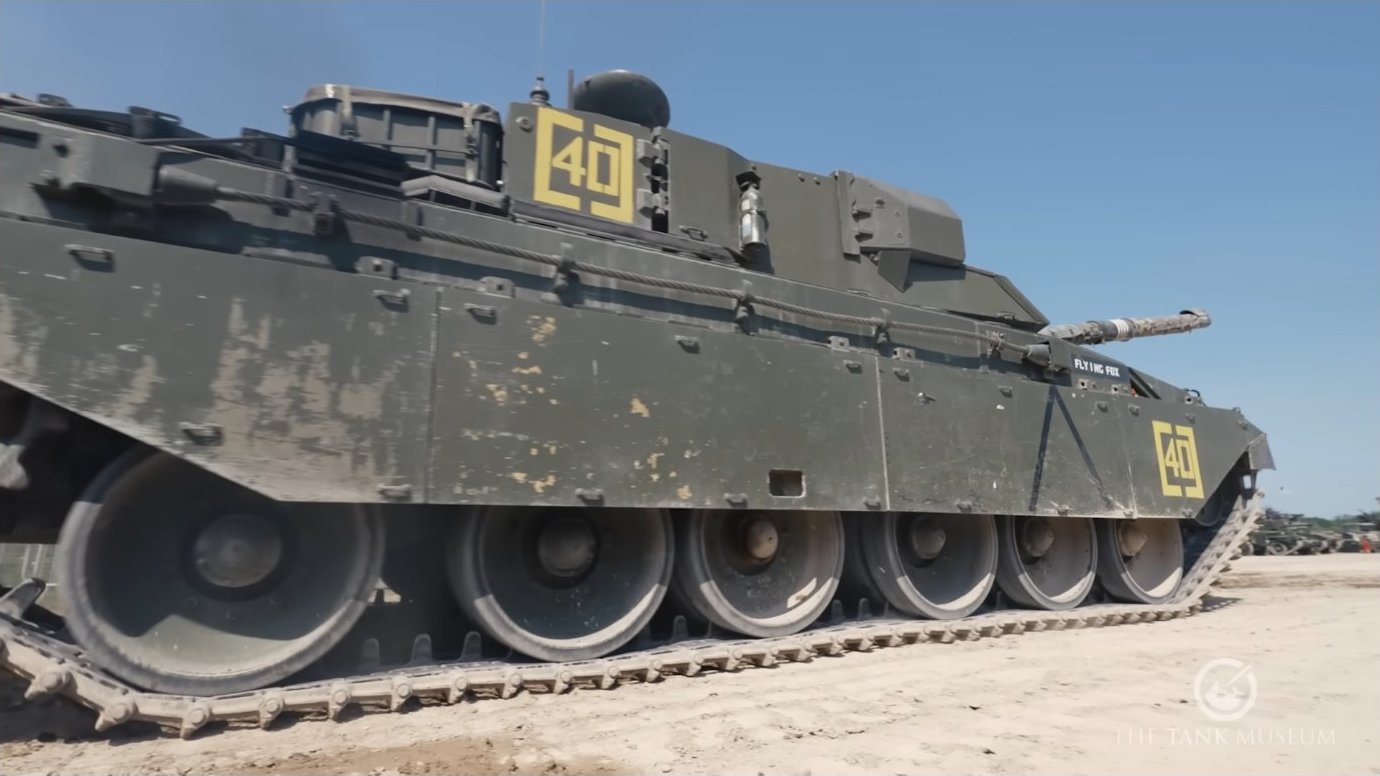
One of the more dramatic capabilities is full submersion. The T-72 can ford water obstacles up to five meters deep using a snorkel tube mounted through the commander's hatch. This reflected Warsaw Pact operational doctrine: river crossings were expected to occur rapidly, without waiting for bridging assets. All armor in Soviet service either waded deeply or, like the BMP series, could swim. Crews underwent extensive safety training, including underwater escape drills conducted in flooded turret simulators during winter exercises. The entire preparation sequence—pressure testing seals, installing the snorkel, conducting final checks—took between thirty and forty-five minutes. Recovery of a submerged vehicle, should it stall underwater, was practiced to completion in under ten minutes.
Smoke generation employed two methods. Eight 81mm grenade launchers mounted on the turret sides fire white phosphorus rounds to lay screening patterns. Alternatively, diesel fuel can be vented into the exhaust system, producing a thick smoke curtain from the rear exhausts—useful for obscuring movement during withdrawal or repositioning.
The Autoloader Mechanism
At the heart of the T-72's compactness lies the carousel autoloader—a rotating magazine positioned beneath the turret basket, holding twenty-two rounds with their propellant charges stored separately. The mechanism occupies the space where, in a Western tank, the loader would stand. Instead of a human being muscling shells from storage racks, an electromechanical system selects, lifts, and rams each round into the breech.
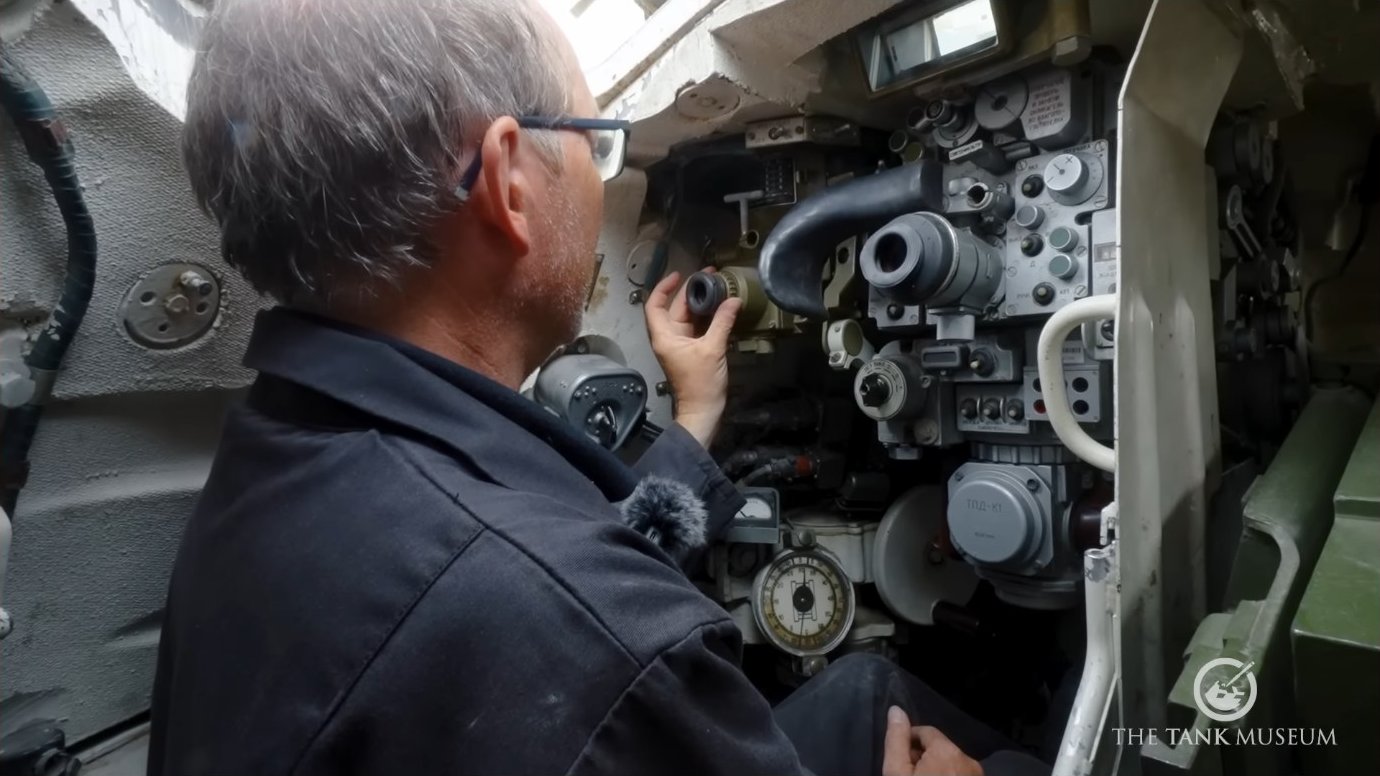
Operation begins with the commander selecting the munition type—HEAT, APFSDS, or high explosive. The gunner confirms the selection via a switch near his primary sight. When commanded to load, the gun moves to a fixed elevation and locks in place. Crucially, the gunner's stabilized optical sight decouples from the gun during this phase, remaining locked on the target. The gunner can continue observing, even engaging new threats, while the gun reloads.
The carousel indexes to the nearest round of the selected type, rotating in whichever direction minimizes travel. An elevator platform rises, lifting the projectile and charge. A hydraulic ram pushes the round into the chamber, then seats the propellant charge behind it. The breech block closes automatically. Simultaneously, a separate mechanism ejects the spent stub of the previous charge casing through a small hatch in the turret roof. Once loading completes, the gun unlocks and realigns with the gunner's sight line, requiring only minor correction before the weapon is ready to fire. The entire sequence takes several seconds—faster than most human loaders under ideal conditions, and far more consistent under stress or fatigue.
A memory system tracks which positions in the carousel hold which munition types, optimizing selection. Semi-automatic and manual override controls are available if the primary system fails. For crews trained on the system, it becomes second nature—though Westerners often assume complexity where Soviet engineers prioritized reliability and ease of training.
Life Inside a Three-Man Crew
Reducing the crew from four to three imposes trade-offs in workload distribution. The commander assumes responsibilities that might otherwise fall to a loader-operator. In the T-72, the commander manages all radio communications, toggling between external nets and internal intercom via a dedicated switch box. During operations, this creates an additional cognitive burden, particularly when coordinating with higher formations while simultaneously directing the gunner.
The driver occupies a cramped, reclined position at the front of the hull. Seat angle resembles a business-class airline seat—not flat, but inclined enough to permit rest during extended operations. Controls are straightforward: clutch, brake (which doubles as a parking brake), and accelerator pedals; two steering levers; a seven-speed gearbox (seven forward, one reverse). Instruments include a gyrocompass for navigation during submerged crossings and a manual fuel primer for cold starts. Four large batteries and a compressed-air system provide starting power.
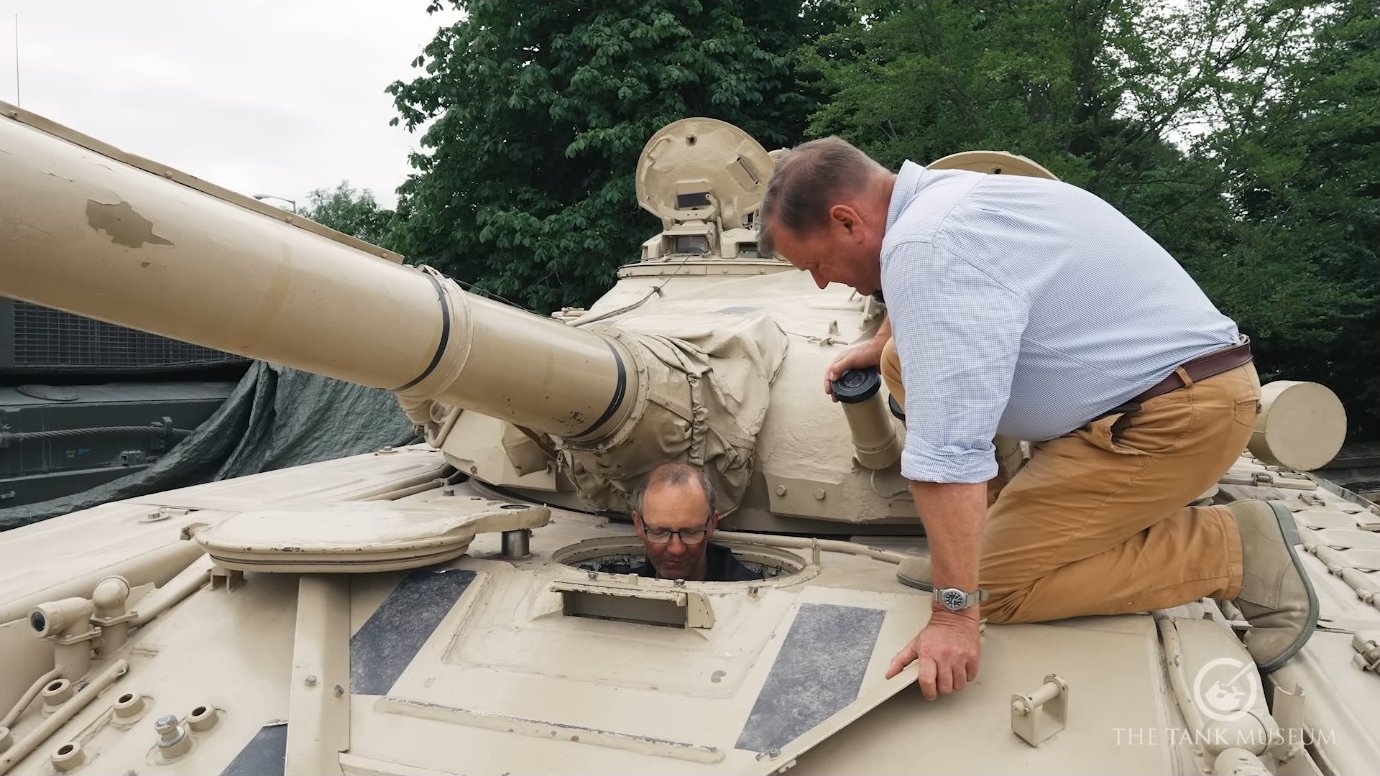
The gunner's station centers on a primary day sight with integrated laser rangefinder, flanked by a separate passive night sight. The night system is first-generation passive infrared, requiring a powerful IR searchlight with an effective range of roughly 800 meters—a limitation that betrays the vehicle's 1970s vintage. The gunner manipulates the main armament using a control yoke that moves laterally for turret traverse and vertically for gun elevation. Firing buttons for the main gun and coaxial machine gun are integrated into the handgrips, as is the laser rangefinder trigger. A small indicator panel displays remaining rounds of each type in the autoloader. Manual controls for turret and gun movement provide backup if hydraulic power fails.
Extended operations—particularly under nuclear, biological, and chemical (NBC) conditions when the crew must remain sealed inside—test endurance. The commander can stretch out nearly fully in his station. The driver's reclined seat, while not luxurious, permits rest. The gunner draws the shortest straw for sleeping arrangements, often preferring to rest on the warm radiator housing outside the vehicle during cold weather, since the T-72 lacks an auxiliary power unit to provide heat when the main engine is off.
Crew Duties and Maintenance
Daily maintenance routines—first parade and last parade inspections—consumed up to forty minutes even with a three-person crew. Vehicles maintained at high readiness status required meticulous preparation each evening to ensure immediate deployment if alerted overnight. This regimen proved more demanding than equivalent routines on Western tanks with four-man crews, where tasks could be subdivided further.
Mechanical reliability, by firsthand account, proved solid when vehicles were exercised regularly. Training tanks used intensively throughout the week encountered few serious breakdowns—mostly minor seal and gasket failures easily rectified in the field. Vehicles left idle for weeks or months, then brought out for exercises, suffered more from dormancy: perished hoses, seized actuators, and fluid leaks. The lesson held true across armored forces: machines worked hard and often stay healthy; those neglected deteriorate rapidly.
The absence of an auxiliary power unit meant the vehicle grew cold quickly when stationary, and took considerable time to warm again once the main engine restarted. This presented challenges during winter operations, though the robust multi-fuel diesel seldom refused to start if batteries and compressed air were properly maintained.
The Vulnerability Question: Carousel Design Under Fire
Recent conflicts have reignited debate over the carousel autoloader's inherent vulnerability. Footage of T-72 turrets blown dozens of meters into the air following catastrophic ammunition detonations has led some observers to conclude the design is fatally flawed. The turret roof—already the weakest armor on any tank—sits directly above nearly 900 kilograms of propellant and projectiles stored in the carousel. A penetrating hit from above can ignite this magazine, and the resulting explosion often ejects the turret entirely.
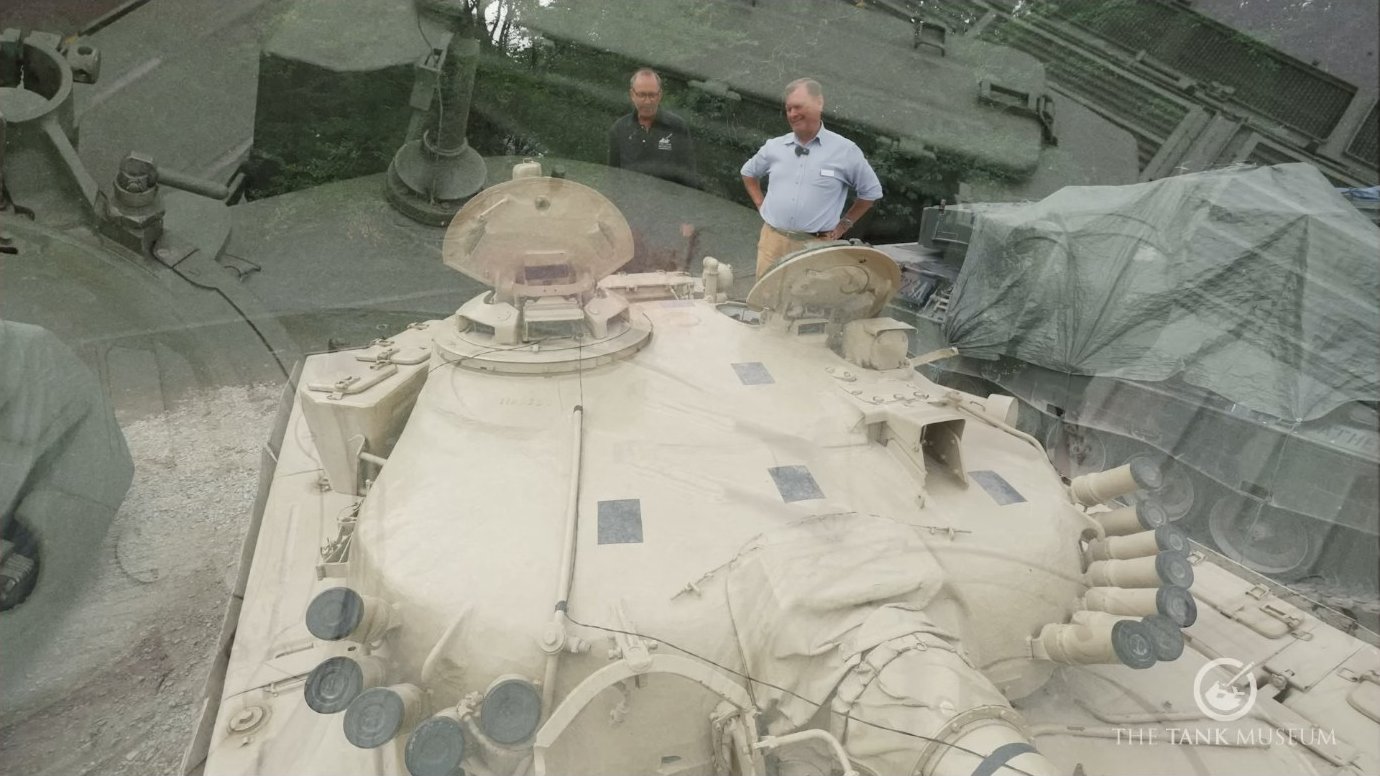
Yet framing this as a unique flaw oversimplifies. Western tanks store ammunition in the turret bustle behind blast doors, with blow-off panels designed to vent explosions upward and away from the crew. This approach works well when ammunition is hit, but it does not render the vehicle immune—merely better protected under certain conditions. The T-72's designers faced a different set of constraints. Storing heavy ammunition low in the hull lowers the center of gravity, enhancing stability. The turret becomes lighter and the vehicle shorter, reducing the target profile.
Doctrine also shaped risk assessment. Soviet and Warsaw Pact tactics emphasized defensive operations in which only the turret would be exposed above cover, with the hull shielded by terrain. In such positions, the carousel sits below ground level, protected by earth. Top-attack weapons—helicopter-launched missiles or loitering munitions—posed threats, but combined-arms doctrine assumed these would be countered by integrated air defense and supporting arms. A tank operating in isolation, without infantry, artillery, and air defense, violates the operational model the vehicle was designed to support.
In contemporary combat—particularly in Ukraine—T-72s have often operated without adequate air defense umbrella, encountering top-attack weapons in circumstances the design never anticipated. The resulting losses illustrate not so much a fundamental design failure as a mismatch between the vehicle's intended operational context and the reality of twenty-first-century battlefields.
Myths and Misconceptions
One persistent myth holds that the autoloader frequently malfunctions, severing crewmen's arms. This belief circulated widely in Western militaries during the Cold War, perhaps as reassuring propaganda. In practice, the mechanism incorporates multiple safety features. The gunner's station includes a sliding panel that, when closed for combat operations, physically blocks access to the loading path. With hands on the control yoke in the normal firing position, it is geometrically impossible to reach into the autoloader's travel. The commander's station has a similar guard.
Injury would require deliberately placing a limb into the mechanism while it operates—an act requiring conscious effort to defeat the safety interlocks. No such incidents were reported among crews trained and operating the vehicle according to standard procedures. The rumor likely arose from unfamiliarity and the natural apprehension surrounding unfamiliar automated systems.
Another misconception concerns the snorkel and deep-wading capability, often dismissed as impractical or suicidal. In reality, the process was extensively rehearsed. Crews underwent swimming certification, winter escape training in flooded turret simulators, and staged river crossings with full safety and recovery support. Preparation followed a structured checklist culminating in an overpressure test immediately before entry. Engineers and divers stood ready, and recovery drills were practiced to standard. The capability was real, repeatedly exercised, and integrated into operational planning.
Ergonomics and Crew Comfort
Outsiders often remark on the T-72's cramped interior, particularly when comparing it to roomier Western designs like the Challenger or M1 Abrams. The perception is accurate—the fighting compartment is undeniably tight. Yet crews adapted. Limited space reduces the distance a crew member can be thrown during violent cross-country maneuvers, a small but tangible advantage when traversing rough terrain at speed.
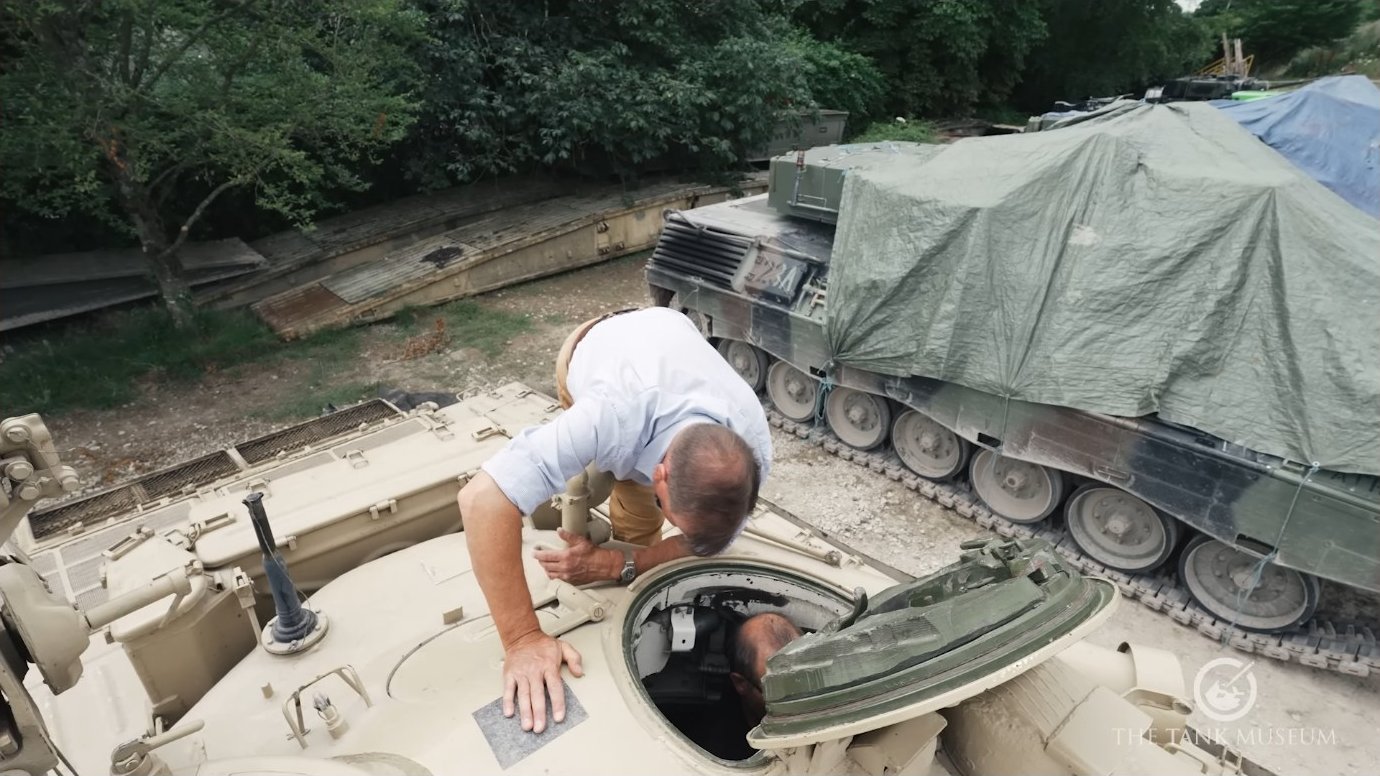
The commander's station, while not spacious, permits an almost fully outstretched sleeping position. The driver can recline comfortably enough for rest. The gunner, as noted, faces the least comfortable accommodations—though the warm radiator offers refuge in cold weather. Over time, crews develop routines and spatial awareness that make the environment tolerable, even during multi-day operations.
Vision from the commander's position relies on a combined day-night sight and two rotating periscopes within a traversable cupola. This provides reasonable situational awareness, though not the all-around glass of a Chieftain. The commander's hatch opens forward, offering weather protection and a degree of cover when unbuttoned—albeit at the cost of reduced overhead clearance.
The 12.7mm NSV heavy machine gun mounted on the commander's hatch serves as the primary anti-aircraft weapon. Unlike more sophisticated installations, it is entirely manual: the commander must expose himself, load, aim by eye, and fire. This places him at considerable risk when engaging helicopters or fast-moving ground-attack aircraft—a stark contrast to remotely operated weapon stations on modern platforms.
Operational Experience and Training
Soldiers who served on T-72s recall the vehicle as robust, responsive, and—within the framework of its design—effective. Steering feels direct compared to heavier Western tanks. Acceleration is brisk. The gun, stabilized and tied into a laser rangefinder, delivers accurate fire on the move once crews master the system. Night operations, hampered by the first-generation passive sight, demanded careful use of the IR searchlight and acceptance of reduced engagement ranges.
Training emphasized speed and repetition. Conscript crews needed to achieve proficiency quickly, and the simplified controls facilitated this. Loading drills, gunnery serials, and driver training followed structured progressions. Regular use kept skills sharp and mechanical systems reliable. Vehicles exercised daily encountered fewer faults than those stored for long periods—a pattern familiar across armored forces globally.
Maintenance, though time-intensive, proved manageable with discipline. First and last parade routines ensured readiness, catching small faults before they escalated. Crews developed pride in their vehicles, and well-maintained T-72s served reliably across a wide range of conditions.
Legacy and Continued Service
The T-72 has seen more than five decades of service and undergone numerous upgrades. Variants span from baseline models to heavily modernized versions with explosive reactive armor, improved fire control, and enhanced powertrains. The chassis has been adapted for other roles, including the TOS-1 thermobaric rocket launcher—a T-72 hull with the turret removed and replaced by a 30-tube launcher system.
Tens of thousands were produced across multiple factories and nations. Export models like the T-72M and T-72M1 served in armies from Central Europe to the Middle East and Asia. The vehicle participated in conflicts across four continents, from the Balkans to the Iran-Iraq War, from the Gulf Wars to Syria and Ukraine. Its service record reflects both strengths and limitations: formidable when employed within combined-arms frameworks, vulnerable when isolated or technologically outmatched.
Modern battlefields have exposed the T-72's age. First-generation night vision, lack of hunter-killer capability, and limited crew survivability place it at a disadvantage against contemporary platforms. Yet upgrades continue, and the vehicle remains operational in numerous militaries. Its influence persists in successor designs, including the T-90, which retains the carousel autoloader and much of the fundamental architecture.
Key takeaways
- → The T-72's carousel autoloader enables a three-man crew and a significantly lower profile than Western tanks, trading a human loader for mechanical reliability and compact dimensions.
- → The autoloader mechanism is faster and more consistent than human loaders under stress, and allows the gunner to maintain target tracking during reload by decoupling the gun from the stabilized sight.
- → Vulnerability to top-attack weapons is real but was mitigated in original doctrine by hull-down positions, combined-arms support, and integrated air defense—conditions often absent in recent conflicts.
- → Crew safety features and training protocols debunk myths of frequent autoloader injuries; actual incidents were virtually nonexistent among properly trained operators.
- → Deep-wading capability to five meters with a snorkel was extensively practiced and operationally viable, reflecting Warsaw Pact emphasis on rapid river crossings without bridging delays.
- → The vehicle's design prioritized simplicity and ruggedness for conscript armies, achieving ease of training and maintenance at the cost of crew comfort and some ergonomic refinement.
- → Despite its Cold War origins, the T-72 remains in widespread service, with ongoing upgrades and a legacy extending through the T-90 and other successors.