Annotated transcription · 12 min read
Why Lunar Mass Drivers Are Humanity's Most Critical Infrastructure
How exporting material from the moon determines whether civilization survives—or vanishes forever.
The Stakes of Inaction
Nuclear annihilation represents more than physical destruction. It embodies the ultimate vindication of nihilism—proof that every human achievement, every moment of love, every sacrifice across history was meaningless. Every struggle to overcome suffering would be revealed as futile theater in a story destined to end in fire.
Yet nuclear war is merely the most dramatic failure mode. Quieter catastrophes loom just as large. An engineered pathogen cares nothing for borders. A misaligned artificial intelligence need not turn the world into paperclips to render biological life irrelevant to its optimization function. Even a perfectly stable surveillance state that eliminates risk could become a soft apocalypse—a world where the lights stay on but the future shrinks, where humanity becomes too comfortable and controlled to attempt anything as dangerous as space industrialization.
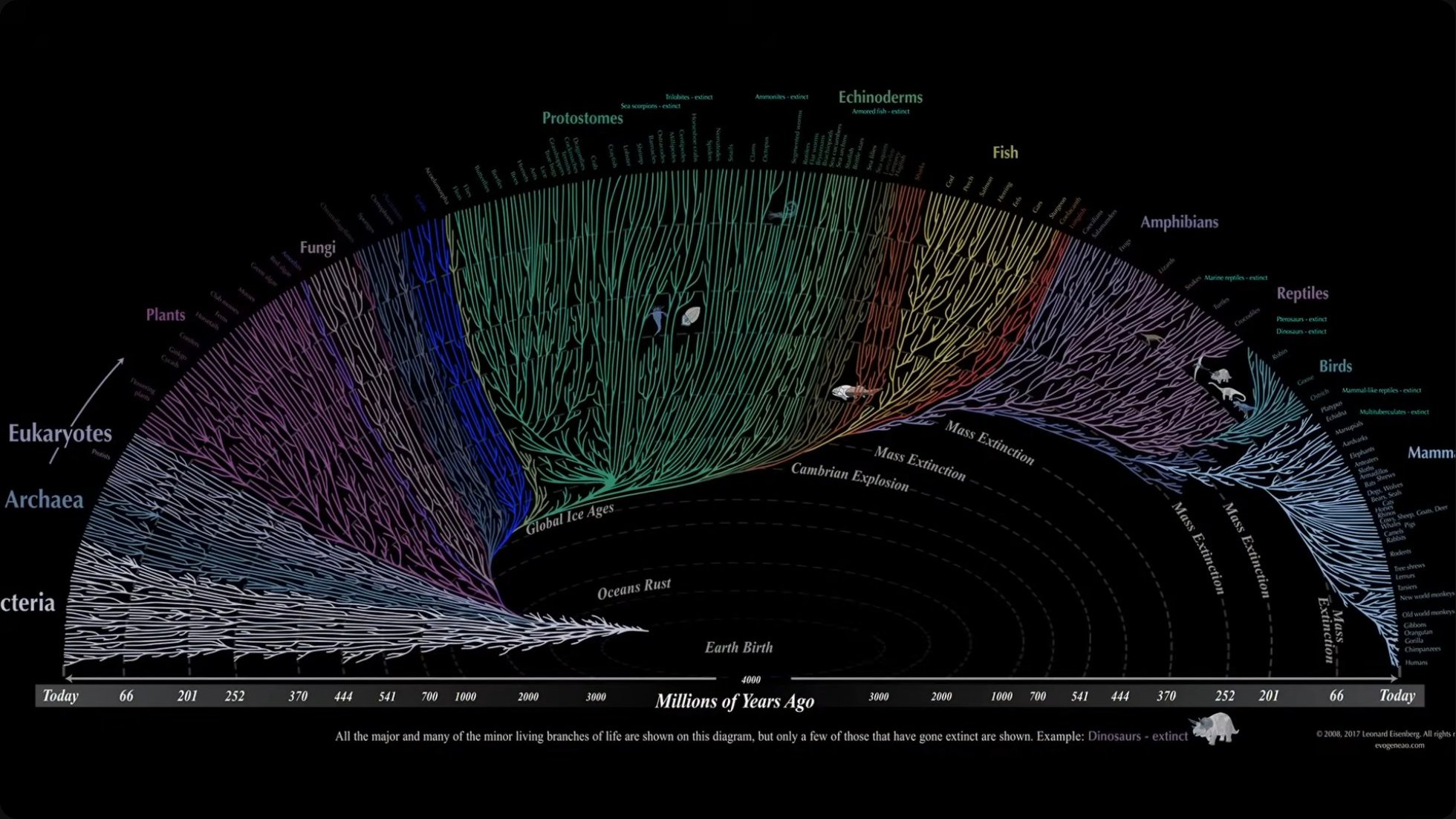
These are not science fiction scenarios. Earth's geological record documents five major extinction events where biomass collapsed so catastrophically that life itself teetered at the brink. The Permian-Triassic extinction—the Great Dying—obliterated 81% of marine species and 70% of terrestrial vertebrates. Massive volcanic eruptions in Siberia dumped greenhouse gases into the atmosphere, triggering runaway warming and ocean anoxia. Full terrestrial vertebrate recovery required thirty million years.
With nuclear war, we would author our own destruction. But extinction events like the Permian-Triassic have happened before, entirely beyond our control, and will happen again. Asteroid impacts are obvious threats. Less discussed is the real possibility of a nearby supernova—a stellar explosion within twenty to fifty light-years could strip away much of Earth's ozone layer. While the odds in any human lifetime are small, over geological timescales such events are guaranteed.
Earth's Ticking Clock
Complex life on Earth is far older than most people realize, but it also has far less time remaining than intuition suggests. Life has existed for approximately 3.7 billion years. Best-case projections give it perhaps another billion years before conditions become untenable.
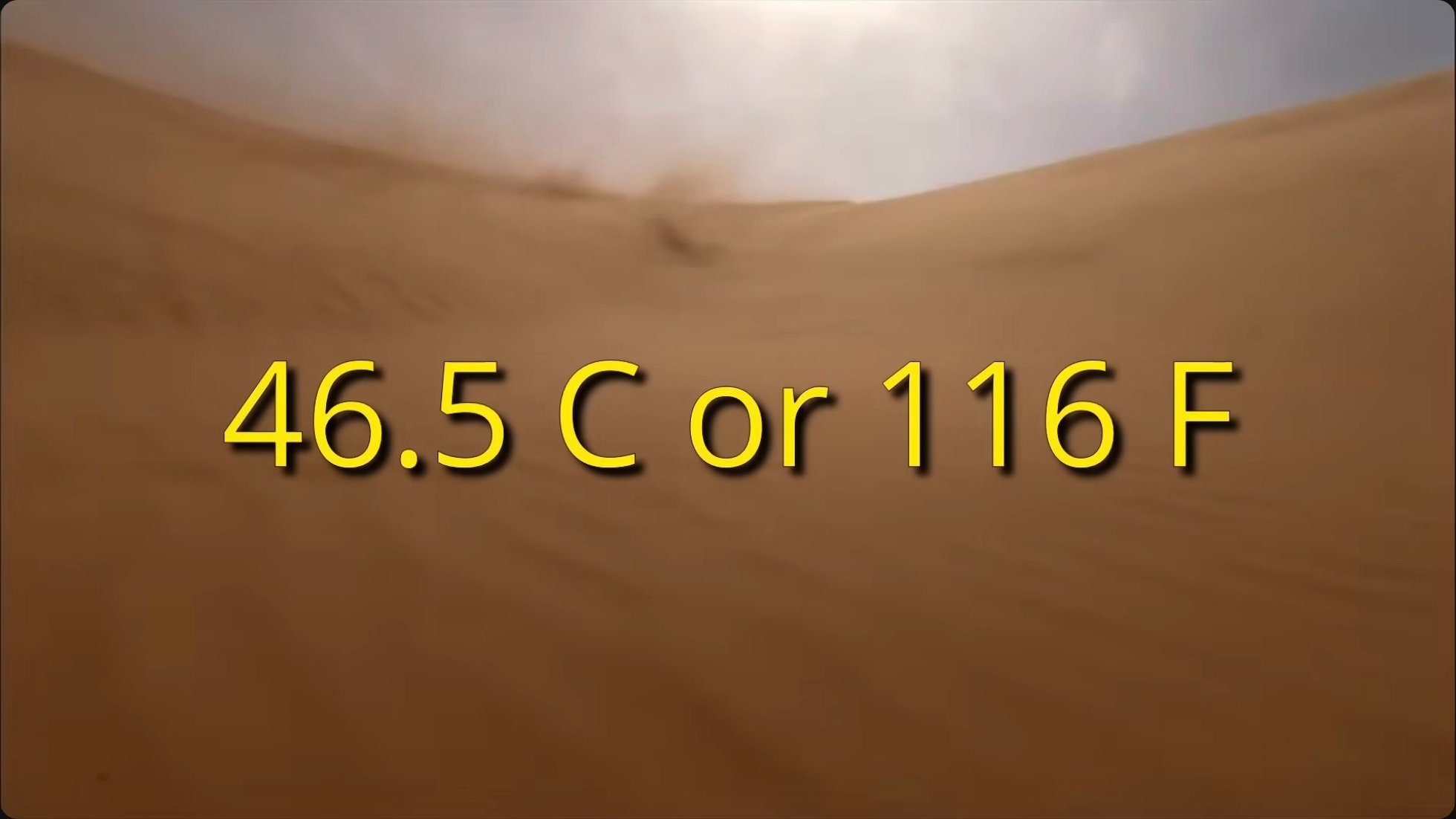
In roughly 250 million years, continental drift will assemble Earth's next supercontinent. Only about 8% of this landmass will remain habitable for complex organisms. Two forces drive this collapse: increasing atmospheric CO2 from volcanic activity—projected to triple current levels—and the sun's steadily rising luminosity, expected to increase by 2.5%. Together, these shifts could push average land temperatures to 46.5°C (116°F), compared to today's 15°C (59°F). Most proteins denature at such temperatures. Only the poles and oceans would offer refuge.
Within approximately one billion years, the sun's luminosity will climb 10% higher, transforming Earth's atmosphere into a moist greenhouse that boils off the oceans. If life has endured 3.7 billion years and has perhaps one billion remaining, we are roughly 80% of the way through the story. Imagine personifying all known life in the universe as a 59-year-old man with a life expectancy of 73.5 years. Best case: he has fourteen and a half years left. We are not a young planet.
The Fragility of Spacefaring Civilization
When astronomers look outward and see no evidence of other civilizations, two interpretations compete. Perhaps the hardest steps lie behind us—the emergence of self-replicating molecules, the evolution of multicellular life, the development of nervous systems capable of abstract reasoning. Or perhaps most civilizations reach roughly our current stage and then stall. They exhaust accessible resources, lock themselves into permanent political cages, or get blindsided by catastrophe before spreading beyond their home world.
If the latter explanation holds, the universe may be littered with false starts—bright flashes of technology that never quite escaped their birth rock. In that context, developing lunar infrastructure stops being merely an impressive engineering feat. It becomes the test the universe keeps failing.

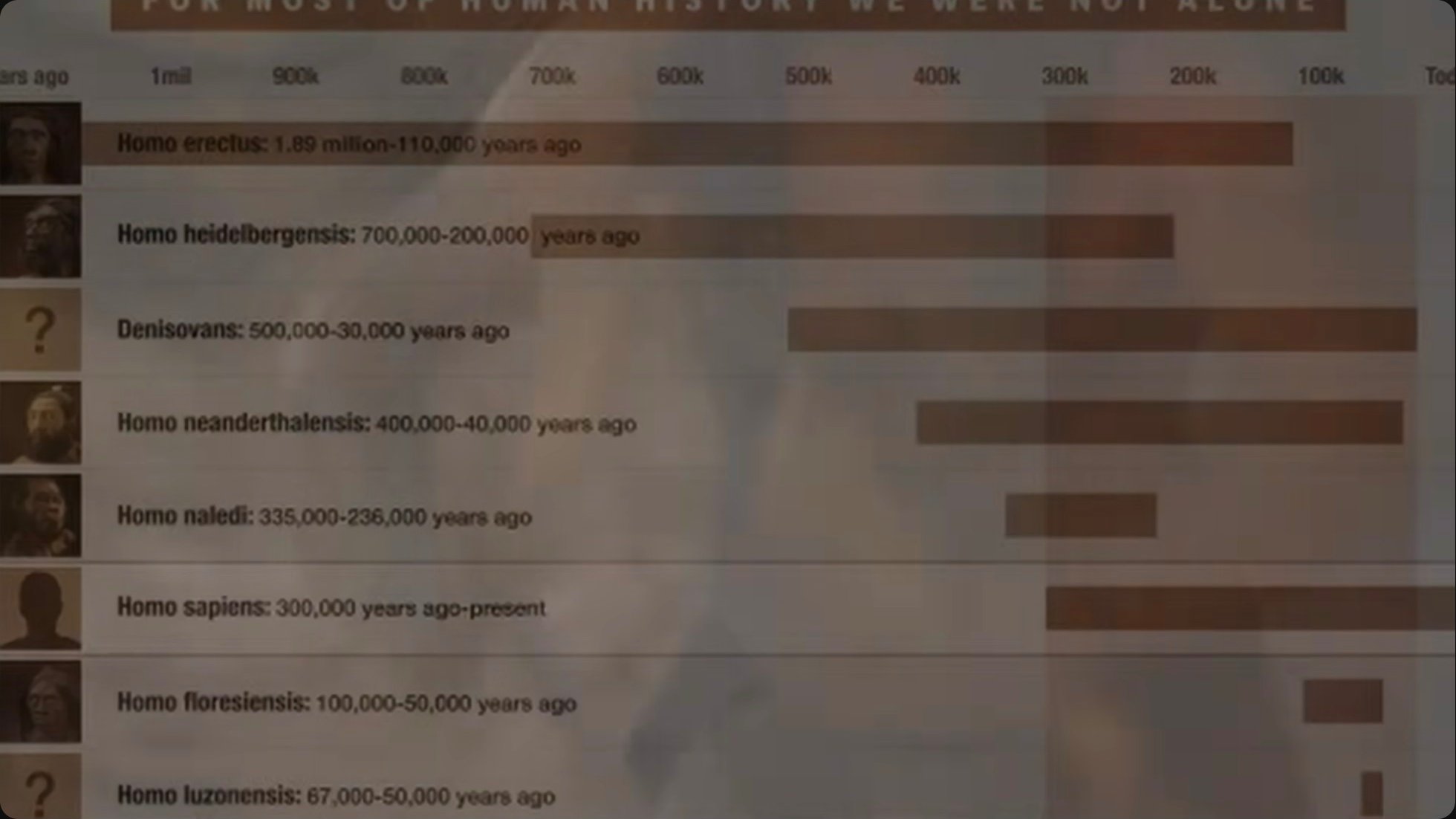
The window for attempting this leap may only open once. Modern humans required 2.5 million years of hominin evolution to emerge. After that, 300,000 years passed before the Neolithic revolution gave rise to settled civilization. Another 12,000 years of post-Neolithic development preceded spaceflight. Only in the past sixty-four years have humans possessed the capability to leave Earth at all.
Optimistic assumptions imagine that if this civilization collapses, a future one will simply rebuild rockets and resume the climb. But that scenario overlooks a critical problem: we have already consumed the low-hanging fruit. The first industrial civilization feasts on rich surface ore bodies and easily accessible energy—thick coal seams visible from the surface, copper deposits pure enough to see with the naked eye. What remains are progressively lower-grade ores requiring exponentially more energy to extract, process, and refine.
Right now, industrial civilization burns through this inheritance building data centers, consumer electronics, and infrastructure. Should we collapse before establishing off-world industry—lunar mines, mass drivers powered by solar energy rather than fossil carbon—a future civilization starting from scratch might never afford the upfront energy cost of a space program. They would inherit a depleted world, staring at the stars with inadequate tools, buried under our waste.
Why Civilization Is Not Guaranteed to Reboot
Even assuming intelligent life persists, basic civilization—let alone spacefaring capability—is not inevitable. When civilization finally did emerge on Earth, it spent its first 12,000 years rising and falling in cycles, with high-water marks generally measured by pyramid construction. As far as current evidence reveals, there exists only one planet with confirmed life, and all known organisms trace back to a single common origin. One lineage. One experiment that worked.
Billions of years elapsed before complex intelligent life emerged. Of all complex intelligent species, only one ever built a civilization. And across civilization's long march of rising and falling empires, only once did it rise higher than a pyramid—high enough to reach the Moon.
Reaching orbit is not a natural conclusion of civilization's progress, and civilization itself is not guaranteed to emerge from intelligent life. The window of opportunity we currently occupy may be unique and fleeting. How long will this particular high-water mark last? The Permian-Triassic extinction required thirty million years for terrestrial vertebrate fauna to fully recover. If humanity fails this test, the next opportunity—if it comes at all—may be incomprehensibly distant.
The Moon as Industrial Enabler
Lunar regolith qualifies as poor ore by terrestrial mining standards. Its value lies not in its composition but in its position. Material sitting in your backyard would be worthless. Place that same material in orbit, and even waste becomes valuable. Silicon, aluminum, iron, titanium, oxygen—all locked in what amounts to industrial slag, but slag already perched high on the gravity gradient.
Transforming that slag into scaffolding, mirrors, pressure shells, solar arrays, cables, and radiator panels would amplify everything currently gained from orbital infrastructure by orders of magnitude. Communications, navigation, climate monitoring, Earth observation, and scientific research—all constrained today by the prohibitive cost of launching mass from Earth's surface—could scale dramatically once the Moon becomes a feedstock source.
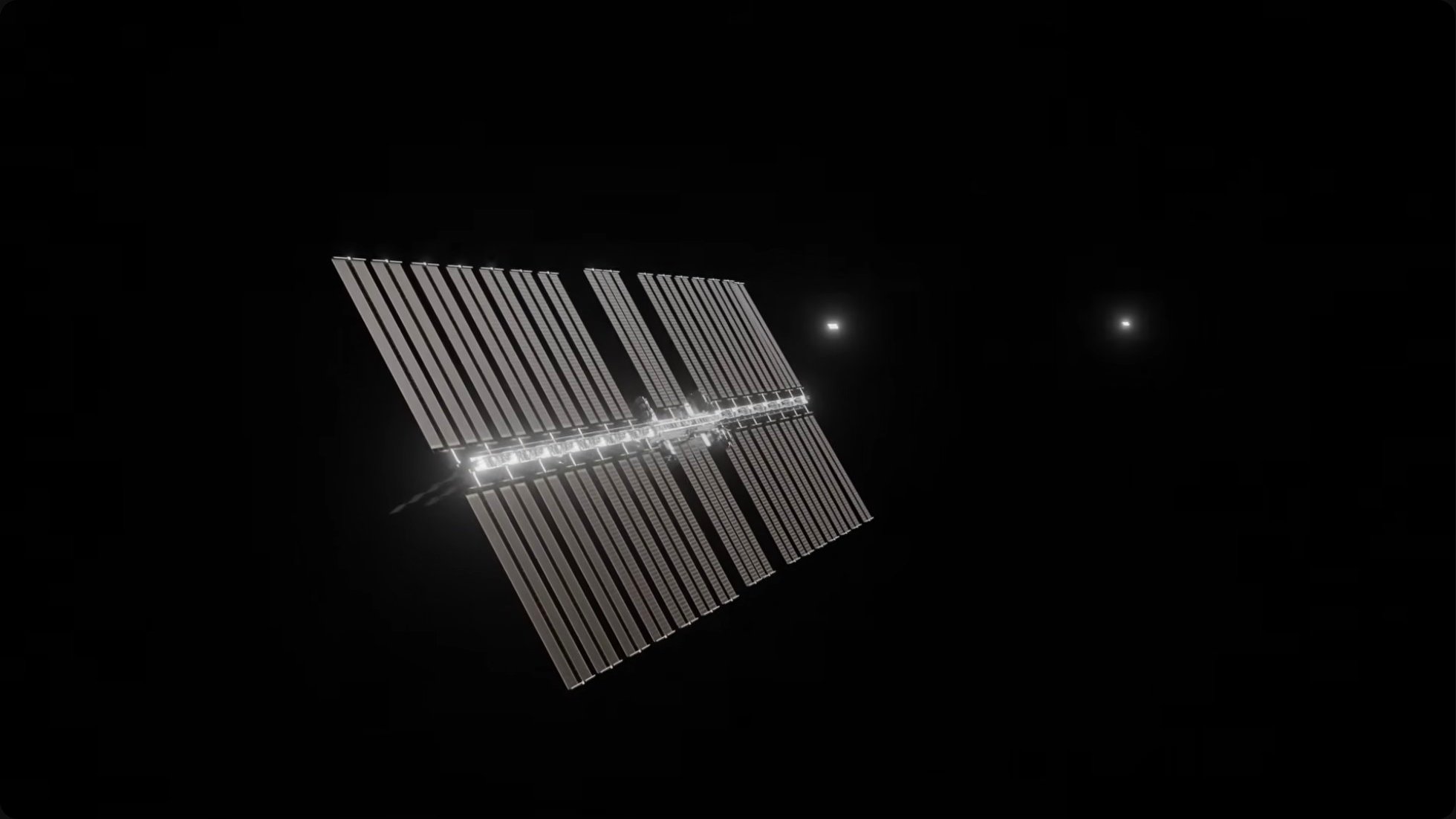
Twenty-first-century economies are not starved for precious metals. They are starved for infrastructure in orbit: power capacity, bandwidth, coverage area, resilience, and physical space to build, test, store, and observe. What modern civilization lacks is not another vein of ore in the ground, but mass in the sky.
Large orbital platforms could host power-intensive computation—data centers operating in vacuum and cold darkness, training AI models and running climate simulations without straining terrestrial power grids and water supplies. Telescopes and interferometers could map exoplanets and monitor ice sheets in unprecedented detail. Microgravity laboratories could grow crystals, fibers, organs, and materials with size and quality unattainable under gravity.
Decoupling Industry from Biosphere
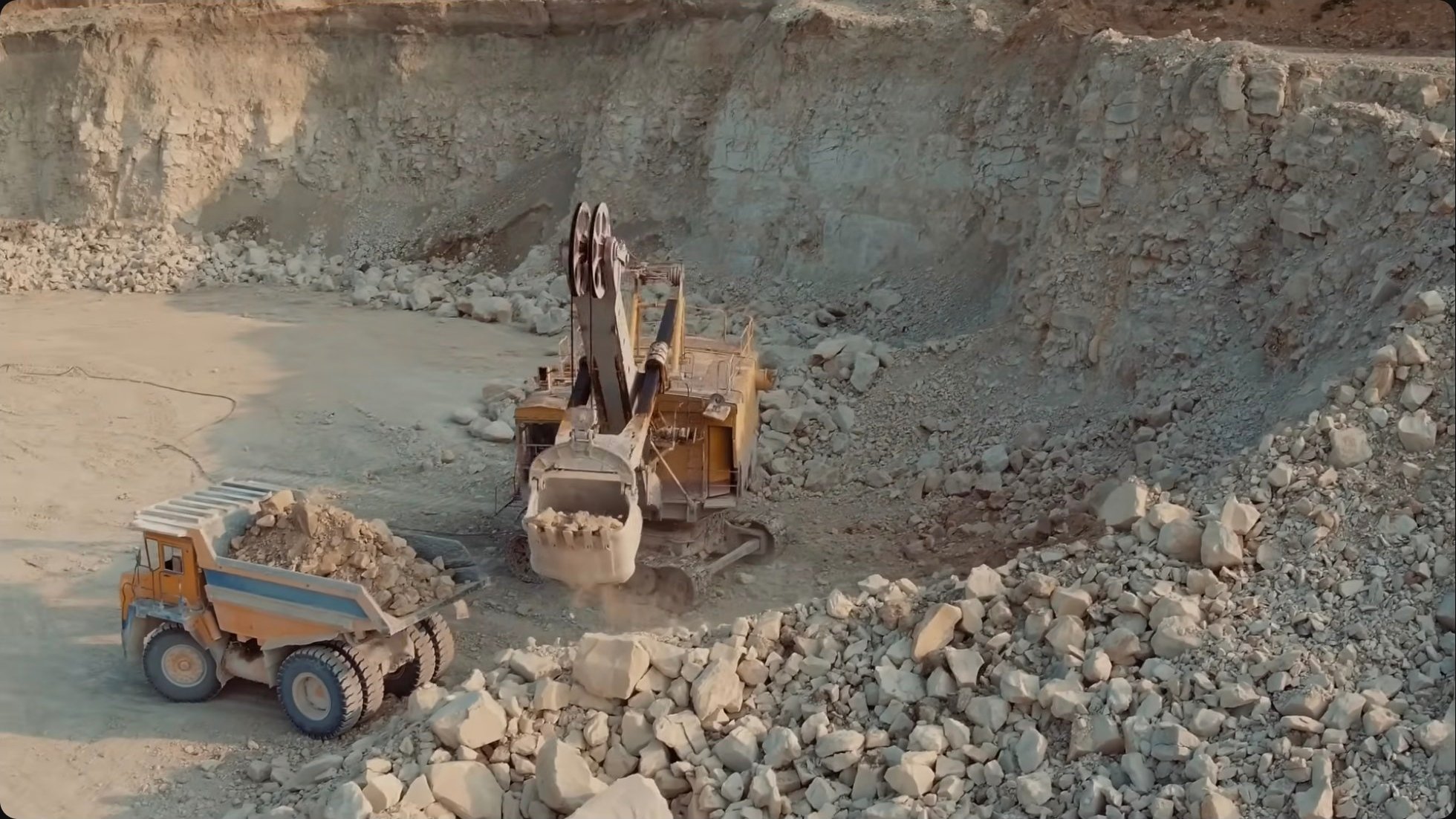
Currently, humanity treats Earth as mine, furnace, and dump simultaneously because no alternative exists. The dirtiest aspects of prosperity—extraction, bulk chemistry, high-temperature processes, energy-intensive computation—all occur within the same thin biosphere responsible for keeping everything alive.
The goal is not to abandon Earth but to decouple constraints. Terrestrial decarbonization efforts face bottlenecks in heat dissipation, land use, water consumption, regulatory friction, and time. Every gigawatt of new capacity, every industrial pathway must be built inside a closed system with finite carrying capacity. Space loosens these constraints. In vacuum, waste heat radiates freely. Sunlight arrives continuously without day-night cycles or weather.
Over time, moving the most brute-force, scale-hungry operations upward allows Earth to specialize in what it uniquely excels at: serving as a factory for life. Earth is not merely real estate. It represents a 4-billion-year laboratory that learned to convert sunlight into forests, chemistry into ecosystems, and matter into consciousness.
This planet is the only known location where dead atoms organized themselves into cells, cells into organisms, organisms into consciousness—the only place where the universe learned to observe itself. Earth's highest purpose is not production but creation: the ongoing generation of living complexity.
Life as Technology Archive
Life is not merely beautiful. It is profoundly useful in ways humanity is only beginning to comprehend. Over four billion years, evolution has conducted the largest research program in history, discovering catalysts, polymers, sensors, molecular motors, and manufacturing techniques that operate at room temperature in aqueous solution with atomic-level precision—all while self-repairing and self-replicating using recycled materials.

Humans did not invent technology. The deepest technological library accessible to civilization is already here, encoded in proteins, membranes, and genomes. The biosphere functions as an archive of solutions—a living database of chemistry that surpasses industrial processes in sophistication. As our ability to read, map, simulate, and responsibly utilize this archive grows, resources stop being things extracted from the ground and become things sequenced, orchestrated, and cultivated.
This shift is already beginning. Cells are becoming factories. Biology is becoming a platform. The frontier extends beyond artificial minds to encompass engineered enzymes, synthetic microbes, novel metabolic pathways—new methods to grow materials instead of smelting them, to assemble molecules instead of refining them.
Mass Drivers as Freight Infrastructure
The Moon contains approximately seventy quintillion tons of material already positioned above the deepest part of Earth's gravity well. From that elevation, a modest push sends mass nearly anywhere useful in the Earth-Moon system. What civilization lacks is not justification for using this resource, but infrastructure to move it at scale.
Rockets excel at precision work—placing delicate instruments, crews, and specialized cargo with exquisite care, one launch at a time, at great expense. What does not yet exist is the equivalent of container shipping or freight rail for space: infrastructure whose sole function is moving bulk material repeatedly, cheaply, and predictably using electricity and hardware that remains largely stationary.
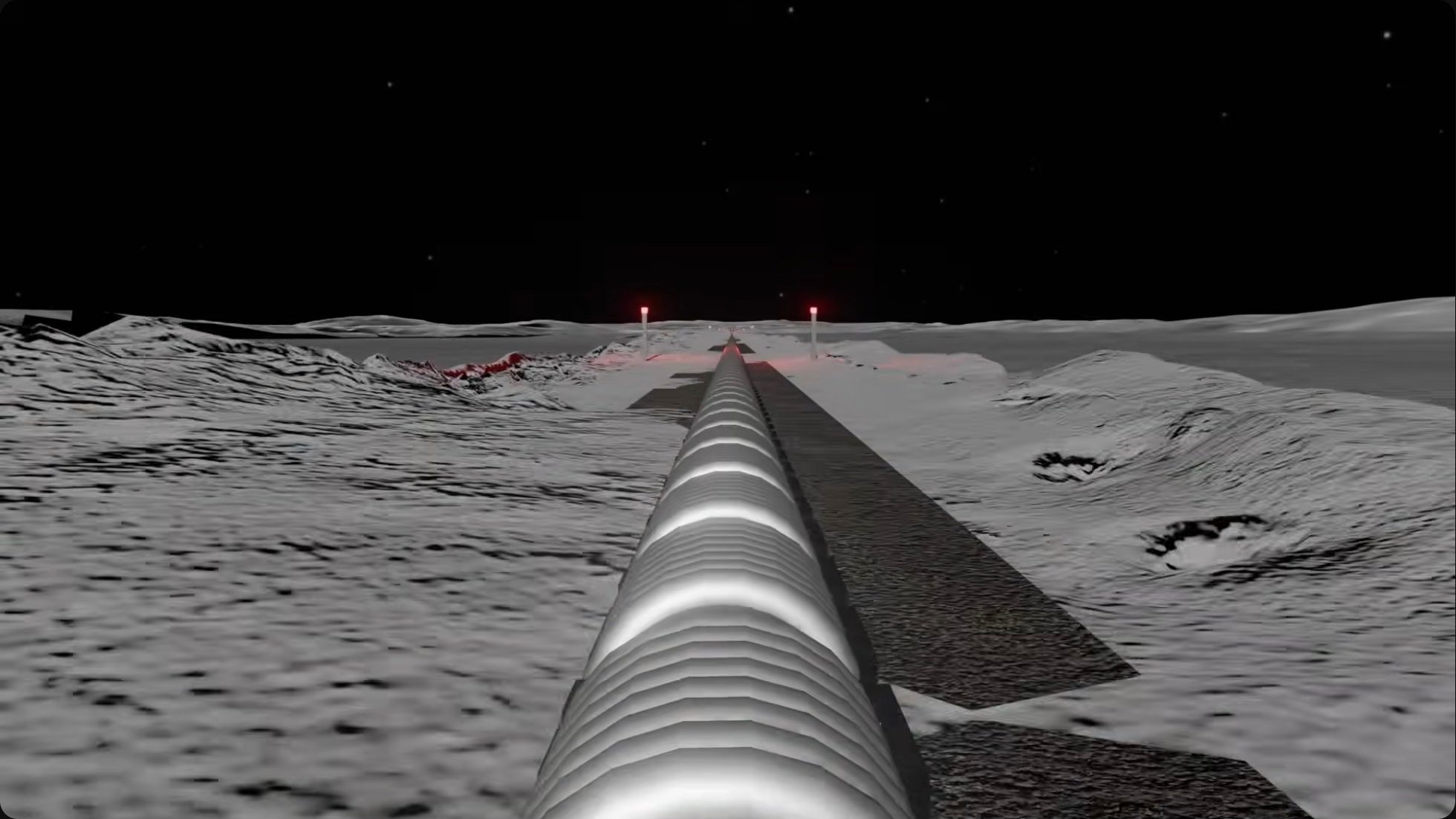
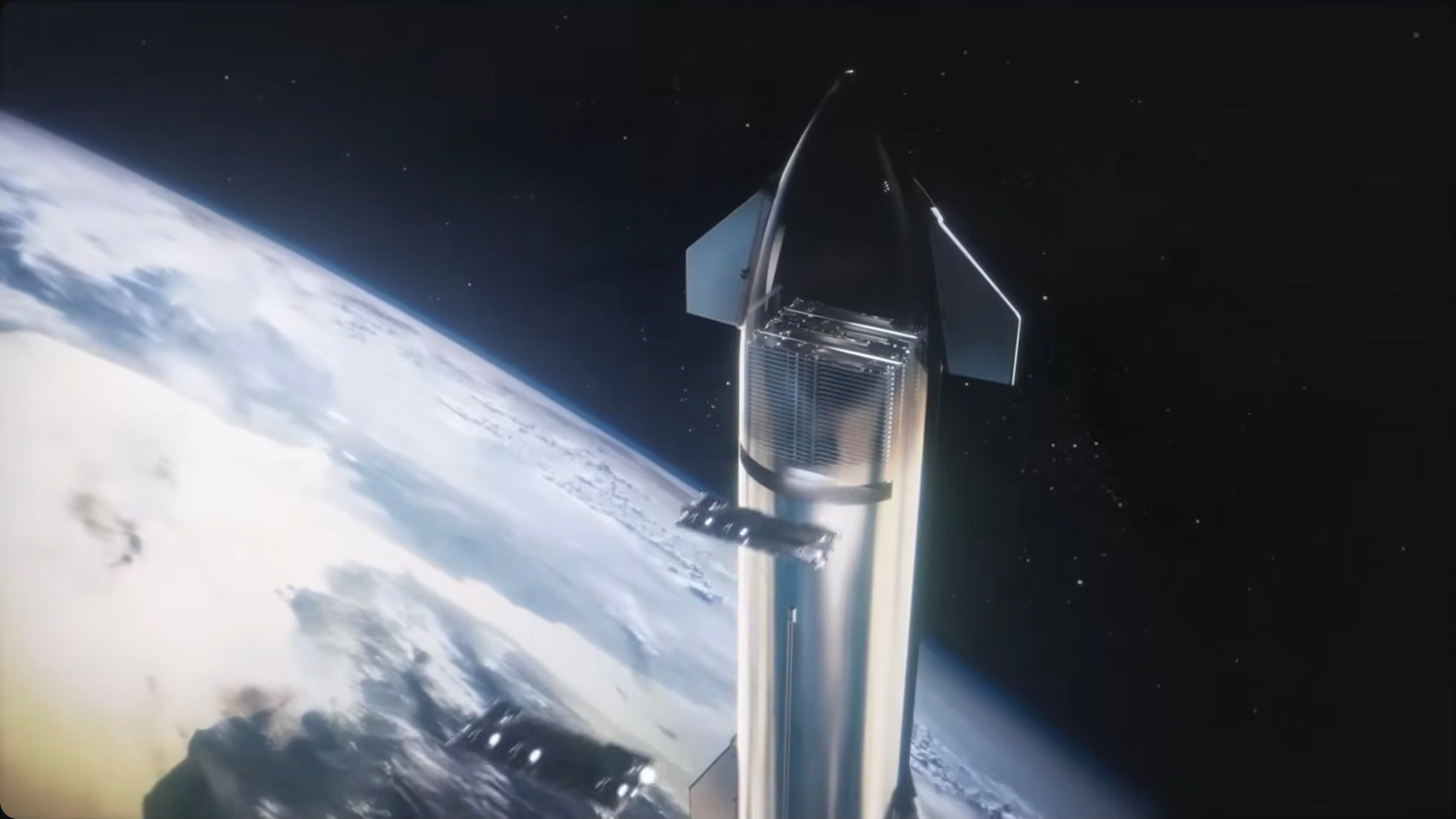
A lunar mass driver provides exactly this capability. Electromagnetic catapults powered by solar arrays can accelerate containers of processed regolith to lunar escape velocity, launching material into space without consuming chemical propellants. Once operational, such systems could deliver thousands of tons of raw and semi-finished material into orbit routinely and economically.
With that infrastructure in place, space stations transition from national monuments to industrial parks. Giant telescopes cease being one-off miracles and become standard tools for climate science, astronomy, and planetary defense. Ambitious missions stop requiring generational political will and become line items in a growing space-based economy.
Oxygen as the First Export
Oxygen constitutes the majority of rocket propellant mass by weight, and therefore the majority of launch cost. Establishing large reservoirs of lunar-derived oxygen in orbit would dramatically reduce the expense of traveling beyond low Earth orbit and extend the operational lifetime of any oxygen-consuming orbital asset.
Lunar regolith contains oxygen bound in mineral oxides. Electrolysis and other reduction processes can extract this oxygen using solar power. The resulting propellant, stored in orbital depots, becomes fuel for Mars missions, asteroid mining operations, and deep-space exploration—all without lifting that mass out of Earth's gravity well.
Astrometallurgy and the New Industrial Base
Human civilization was built by learning to transform rocks into precise materials: iron and carbon into steel, bauxite into aluminum, sand into fiber optics. Astrometallurgy applies the same principles to lunar regolith instead of terrestrial ores—turning industrial slag on the Moon into beams, pressure vessels, reflectors, circuits, and substrates.
This emerging field represents the foundation of an off-world industrial civilization. Mastering the art of processing extraterrestrial materials enables the construction of increasingly sophisticated infrastructure without dependence on Earth's finite resources. The skeleton and wiring of orbital cities, solar power stations, and deep-space vessels can all be manufactured from lunar feedstock.
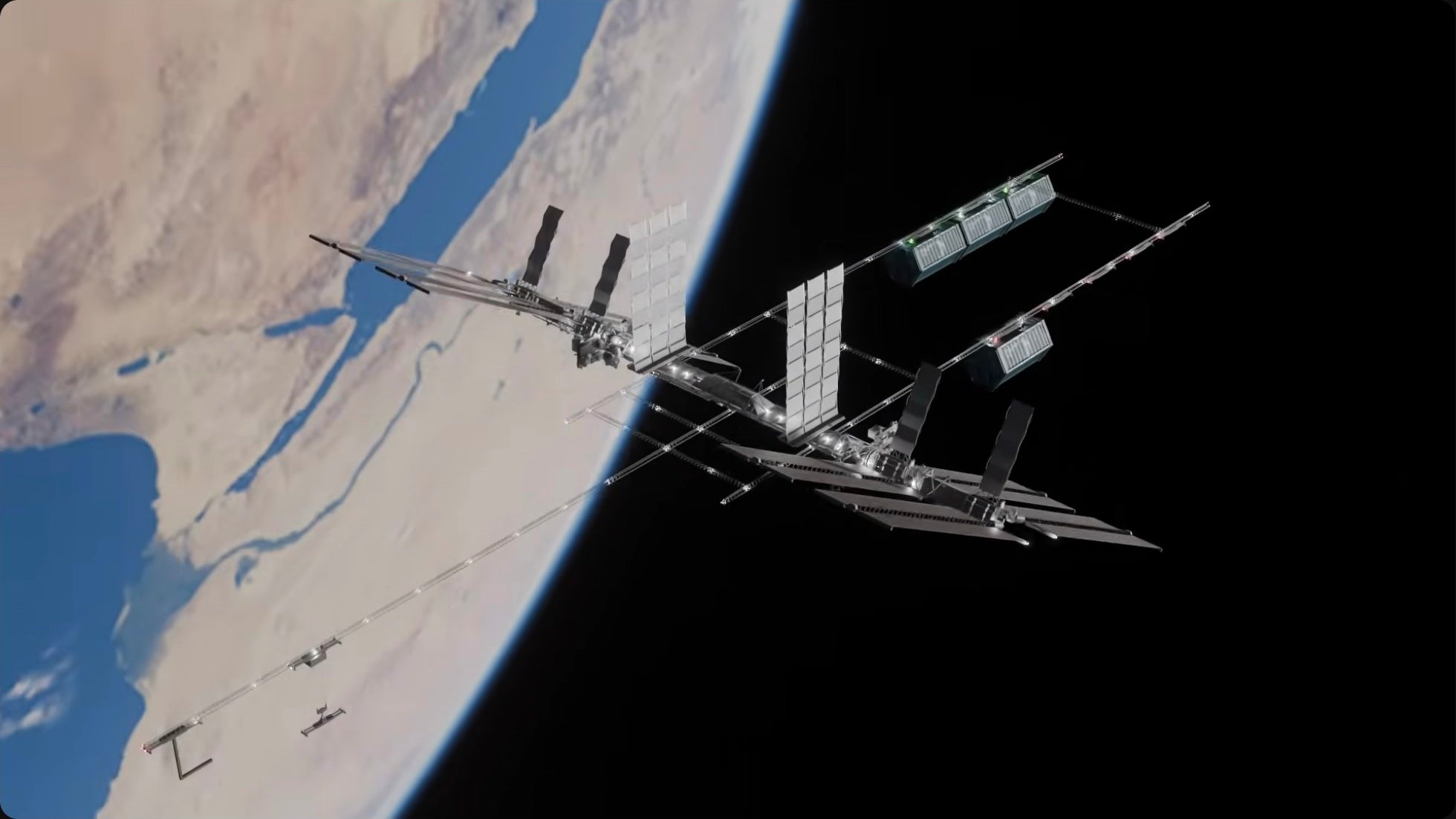
The technological challenges are substantial but not insurmountable. Processes for extracting metals from regolith, manufacturing structural components in vacuum, and assembling large structures in microgravity all require development. Yet each step builds on established terrestrial metallurgy and materials science, adapted to the unique environment of space.
The Logical Next Step
Developing lunar mass drivers is not merely aspirational. It is the logical next step in human evolution—the transition from visiting space to building industrial infrastructure there. Current orbital operations remain constrained by the tyranny of the rocket equation: every kilogram in orbit costs thousands of dollars to deliver. That constraint makes large-scale space industry economically prohibitive.
Breaking this constraint requires a paradigm shift from launching everything from Earth to manufacturing in space using extraterrestrial materials. The Moon, with its low gravity, abundant raw materials, and proximity to Earth, provides the ideal starting point. Once bulk material can be delivered to orbital construction sites cheaply and reliably, the economics of space infrastructure transform completely.
This is not about abandoning Earth or pursuing grandiose fantasies disconnected from practical concerns. It is about ensuring the long-term survival and flourishing of life by establishing a backup, by creating optionality, by refusing to keep all of civilization's eggs in one basket. If terrestrial civilization faces an existential catastrophe—whether from human folly or cosmic accident—off-world infrastructure provides continuity.
The window for making this transition may be narrow. Accessible resources dwindle. Geopolitical stability cannot be assumed. Technological capability, while advancing, is not guaranteed to persist. Waiting for future generations to solve this problem presumes those generations will have the resources and capability to act. History provides no such guarantee.
Becoming an Off-World Industrial Civilization
The distinction between a spacefaring civilization and an off-world industrial civilization is fundamental. Spacefaring means visiting—planting flags, conducting experiments, maintaining outposts that depend on continuous resupply from Earth. Industrial means staying, building, and exporting—establishing self-sustaining operations that process extraterrestrial resources and manufacture products for use throughout the solar system.
Making this transition determines whether humanity's story continues beyond Earth or ends here. Every day the Moon remains undeveloped is a day closer to irreversible decline. The resources needed to establish lunar infrastructure exist now. The technological foundation exists now. The economic and strategic incentives exist now.
What remains uncertain is whether humanity will muster the collective will to act. Comfortable civilizations rarely undertake difficult projects with distant payoffs. Yet the alternative—gradual resource depletion, mounting environmental strain, increasing risk of catastrophe—guarantees decline. The comfortable path leads to stagnation, then decay, then extinction.
Developing the Moon is how we escape nihilistic annihilation. It is how we author a positive evolutionary destiny: becoming an off-world industrial civilization, propagating life across the inner solar system, illuminating the entropic abyss with the light of consciousness. This is not hubris. It is responsibility. Earth has spent four billion years generating complexity, learning, and awareness. Allowing that achievement to perish without even attempting to preserve and extend it would be the ultimate failure.
Key takeaways
- → Complex life on Earth is approximately 80% through its viable lifespan—best-case projections give it roughly one billion years before solar luminosity and atmospheric changes render the planet uninhabitable for advanced organisms.
- → Spacefaring capability is not guaranteed to re-emerge after collapse. Easily accessible resources have been exhausted; a future civilization would lack the energy surplus needed to reach orbit, making this potentially humanity's only opportunity.
- → Nuclear war is only one extinction risk. Engineered pandemics, AI misalignment, authoritarian lock-in, asteroid impacts, and nearby supernovae all pose existential threats that require off-world infrastructure for mitigation.
- → The Moon's value lies in its position, not its composition. Seventy quintillion tons of material already above Earth's gravity well can be processed into orbital infrastructure far more efficiently than launching equivalent mass from the surface.
- → Mass drivers—electromagnetic catapults that accelerate payloads to orbital velocity using solar power—would function as freight rail for space, enabling bulk material transport without consuming propellant.
- → Moving heavy industry off-world allows Earth to specialize in its unique capability: serving as a biological laboratory that generates technological solutions through evolution, creating materials and processes that surpass industrial manufacturing in efficiency.
- → Lunar-derived oxygen stored in orbital depots would dramatically reduce the cost of deep-space missions by eliminating the need to lift propellant out of Earth's gravity well—oxygen comprises the majority of rocket propellant mass.