Annotated transcription · 18 min read
The Economic Mobilisation Trap: Why Nations Fail to Prepare for War
Countries routinely fumble the transition from peace to wartime production—at catastrophic cost in lives and treasure.
The Challenge of Fluctuating Demand
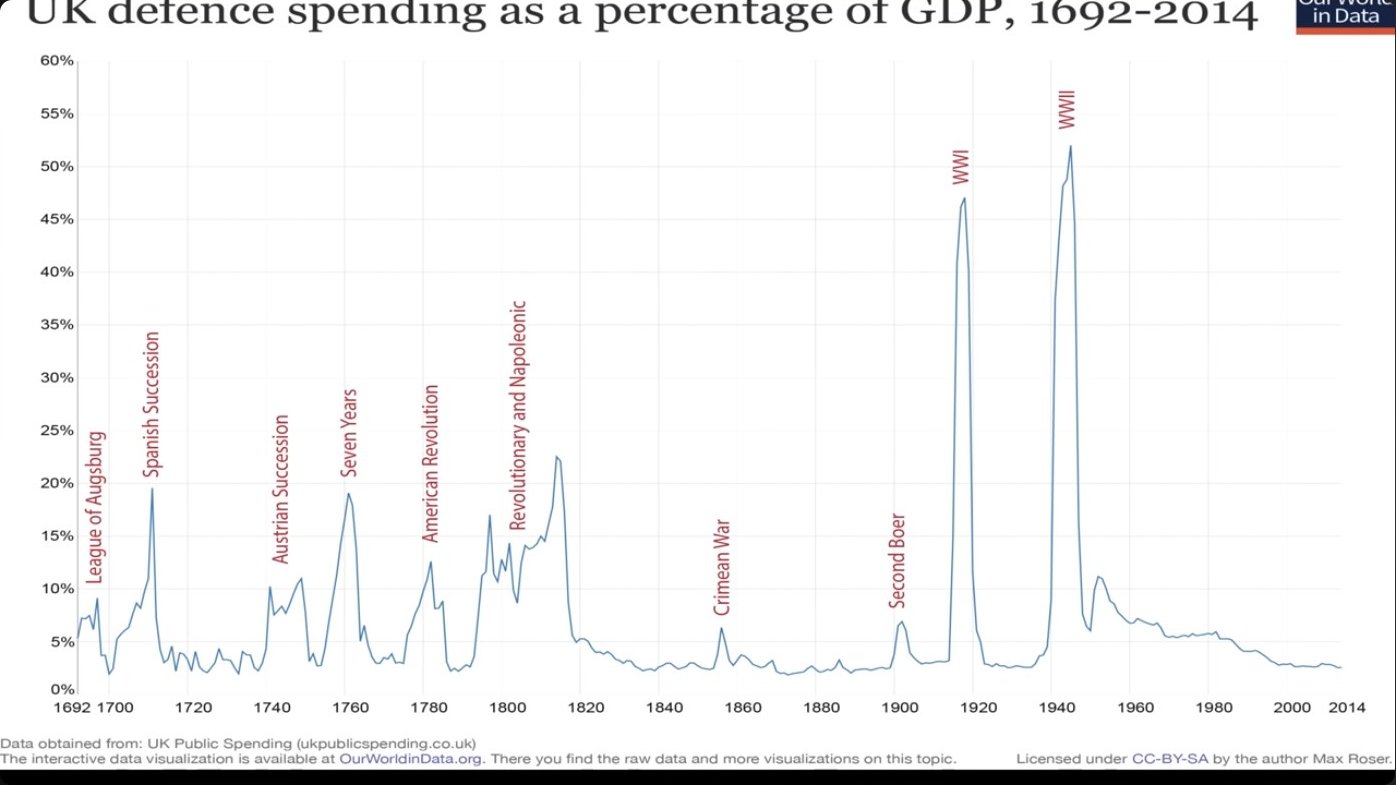
Modern economies face an inherent paradox when it comes to defence: the difference between peacetime consumption and wartime needs can be staggering. During major conflicts, industrialised nations have spent upwards of half their GDP on the war effort, while peacetime defence budgets typically hover around 2-4% in developed democracies. This creates massive volatility in demand for military equipment—a volatility that market economies handle poorly.
The challenge isn't just about having enough tanks or aircraft when conflict begins. It's about maintaining the capacity to produce them at scale when needed, while avoiding the crippling cost of maintaining wartime production levels during peace. Every nation wants to maximise deterrence and readiness while minimising peacetime expenditure. The result is an uncomfortable truth: some degree of separation between peacetime and wartime capacity is economically inevitable.
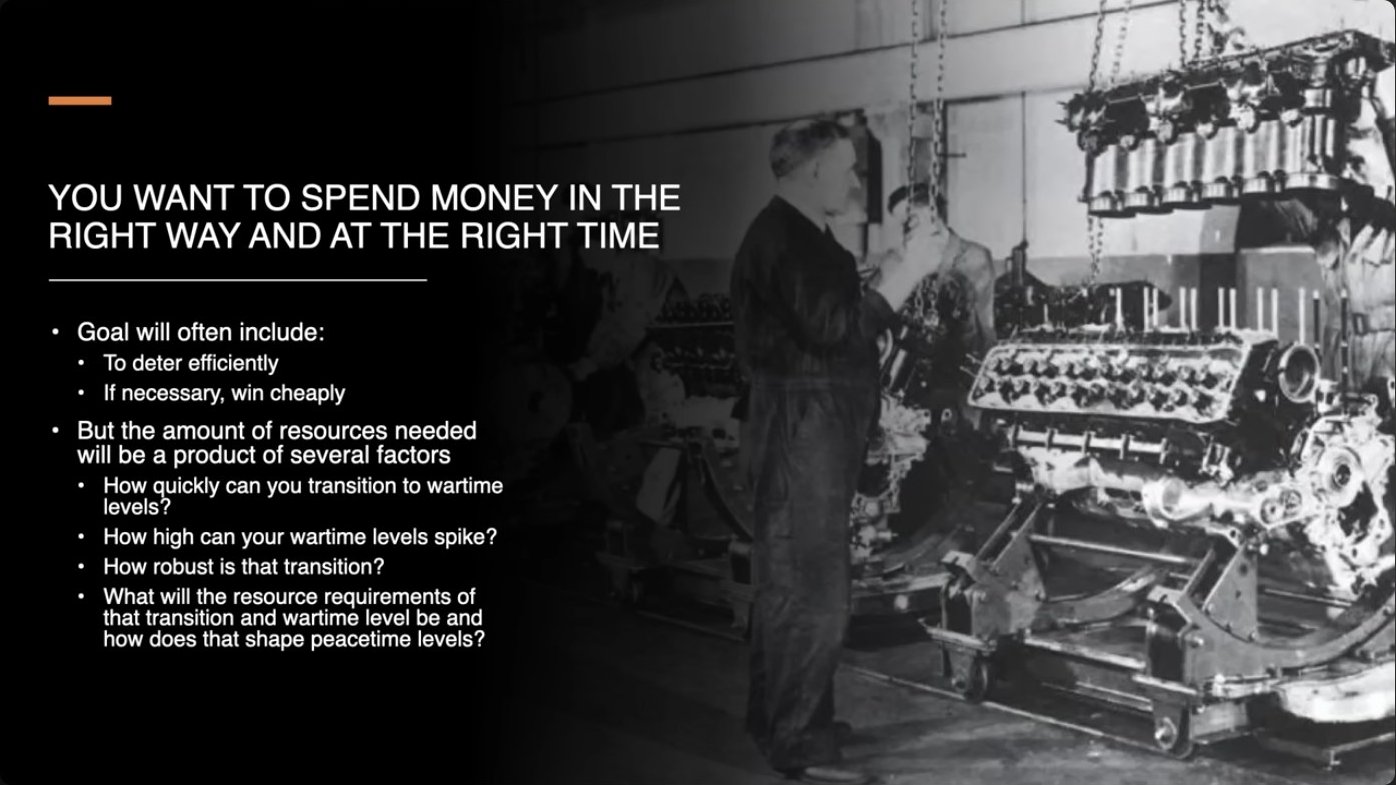
An efficient transition system offers compound benefits. If a nation can reliably shift to wartime production in six months rather than eighteen, it can maintain smaller peacetime stockpiles without compromising readiness. This frees resources for other national priorities. More importantly, demonstrating robust mobilisation capacity becomes a deterrent in itself—potential adversaries must calculate not just current military strength, but projected strength twelve months into a conflict.
The Peacetime Funding Bottleneck
During peacetime, the primary constraint on defence preparation is rarely industrial capacity or technical knowledge—it's funding. In economic terms, peacetime offers the best conditions for building military capability: supply chains operate normally, time is abundant, and parallel construction can be executed serially for far less cost. Building ten factories over ten years costs vastly less than building them all simultaneously under emergency conditions.
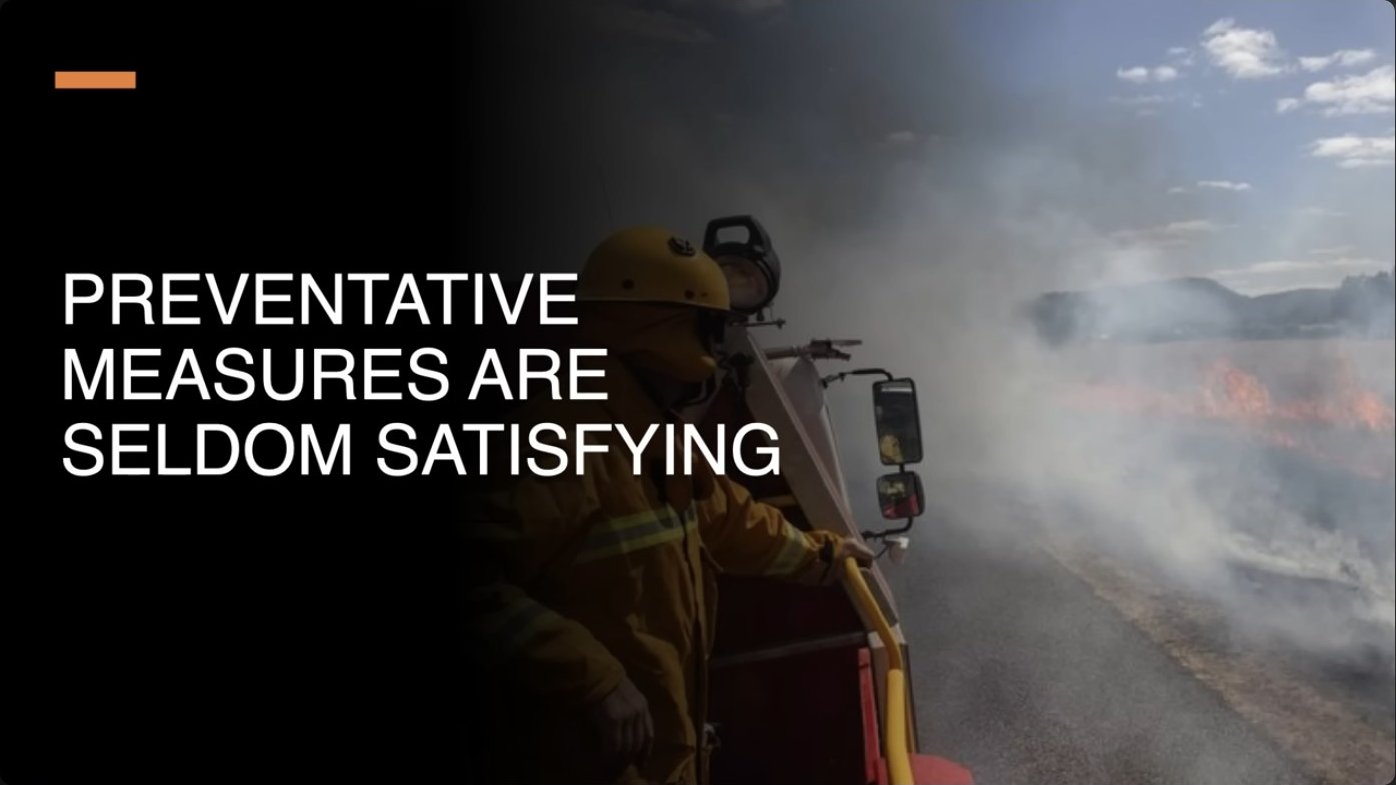
Yet peacetime is precisely when democracies struggle most to allocate resources to defence. The psychology works against it: preventative measures rarely feel satisfying. Humans respond far more readily to visible crises than to abstract future risks. After major conflicts, societies typically enter a complacency cycle—investment drops, threats recede from memory, and eventually underpreparation creates conditions for the next emergency.
Political incentives compound the problem. In cabinet discussions, defence competes with health, education, and infrastructure—portfolios with more immediate, visible returns. Electoral cycles encourage governments to prioritise short-term deliverables over long-term strategic insurance. The result is that even when additional defence investment would be economically rational, it often fails to materialise until crisis forces the issue.
The industrial consequences of prolonged underinvestment accumulate slowly but significantly. Defence sectors consolidate, optimise for efficiency rather than surge capacity, and shed skilled workers who take years to replace. Supply chains become leaner, cutting slack capacity that would enable rapid expansion. Companies pivot from volume production to higher-margin services and sustainment. What emerges is a peacetime industrial base superbly optimised for peacetime demand—and poorly suited for anything else.
When Wartime Demand Meets Peacetime Supply
The outbreak of major conflict eliminates the funding bottleneck almost overnight. Governments gain access to extraordinary financial tools: bond issuance, asset confiscation, rationing, currency manipulation, and deficit spending. Russia's current war effort illustrates the range: tax increases, national wealth fund depletion, acceptance of inflation, and conscription of labour all combine to fund military operations that would have seemed fiscally impossible years earlier. The historical record suggests that once war begins, money ceases to be the limiting factor.
The new constraint becomes supply: even with unlimited funding, can industry actually produce what the military needs? In the American Civil War, the Confederacy discovered that cotton export revenue meant little when Union naval blockades prevented its sale, and domestic manufacturing capacity couldn't convert capital into weapons at the necessary scale. The Tredegar Iron Works in Richmond, the South's largest artillery manufacturer, struggled constantly with skilled labour shortages and inadequate inputs.
Ammunition production particularly exposes this supply-demand mismatch. Shell crises have plagued conflicts from World War One through Ukraine, typically centring on shortages of energetics—the explosive compounds that few civilian industries require in bulk. When multiple nations simultaneously surge ammunition orders, they compete for limited production capacity from a concentrated global industry. The result is predictable: shortages coupled with severe price inflation.
Labour shortages compound the problem. Skilled workers capable of manufacturing precision weapons or dangerous chemicals like TNT are never abundant, and training takes years. Russia's Uralvagonzavod increased wages by 12% in May 2024, then another 28% in August, as defence contractors across the economy competed for available workers. Historical precedent shows one common solution: rapidly expanding the workforce by recruiting women into war industries, as Britain and France did extensively during World War One, helping France increase 75mm shell production from 4,000 daily in 1914 to 151,000 by 1916.
Tearing Up the Rulebook
As supply shortages materialise and procurement systems choke under unprecedented demand, nations typically respond by abandoning peacetime procedures. The transformation can be dramatic: competitive bidding requirements disappear, contract approval timelines compress from years to days, and oversight mechanisms designed to prevent waste or corruption get sacrificed for speed.
Legal frameworks often formalise this transformation. The US War Powers Act of 1941 granted the President authority to bypass virtually all normal contracting regulations whenever doing so would advance the war effort. Congress essentially suspended its own rulebook, retaining only limited restrictions—ironically including a prohibition on cost-plus contracts, a constraint that peacetime procurement would later abandon entirely.
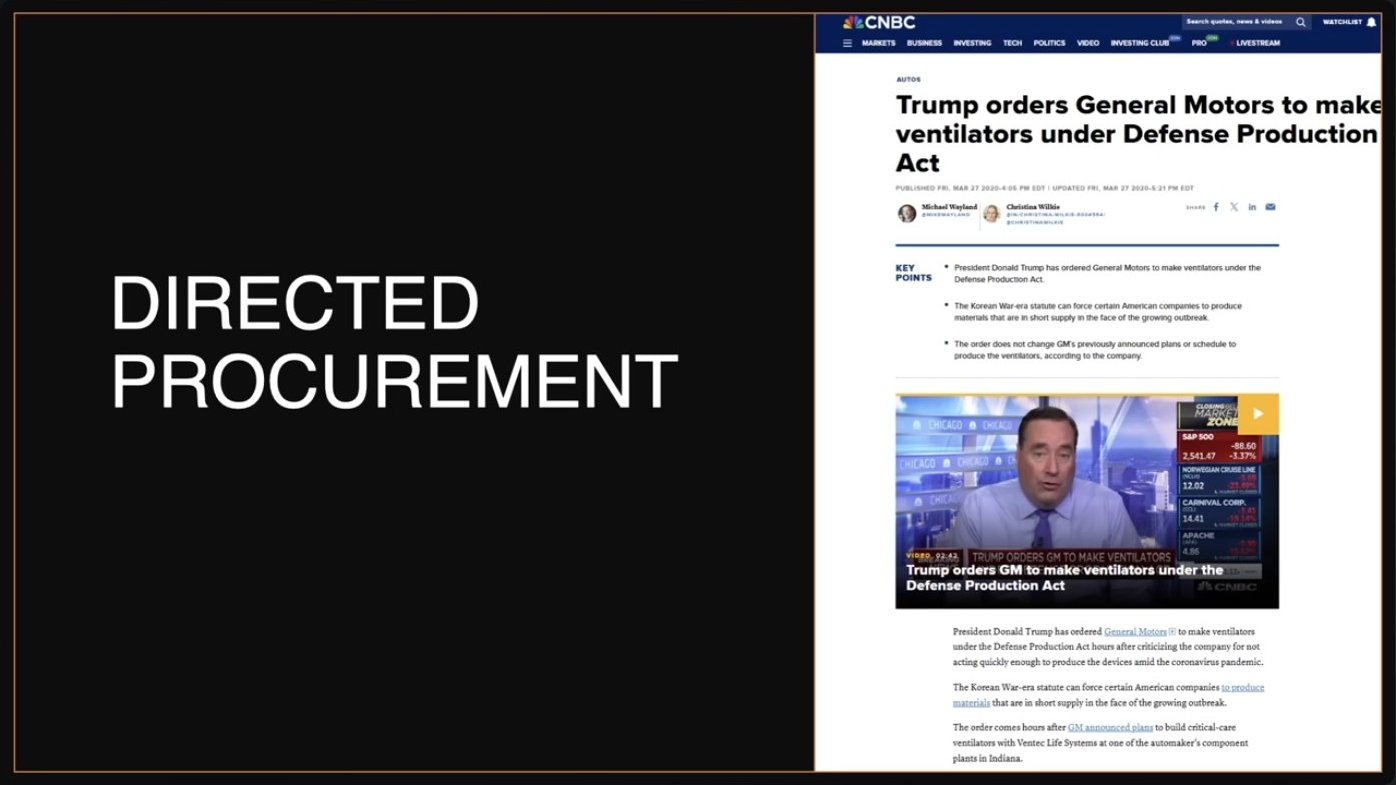
Beyond regulatory changes, governments deploy more aggressive tools. Directed procurement leverages legal authority to compel civilian manufacturers into military production—the government arrives at an automotive plant and announces it now builds tanks. The US Defence Production Act, created during the Korean War but activated even during the COVID pandemic, exemplifies this power. Such measures can rapidly expand supply, though at the cost of disrupting civilian production and potentially creating inefficiencies if companies lack relevant expertise.
Procurement systems themselves often undergo radical decentralisation. Rather than centralised bureaucracies processing all acquisitions, lower-tier commanders receive direct purchasing authority. Ukraine's brigade-level acquisition illustrates this model: individual brigades operate battlefield laboratories, conduct research and development, and partner directly with drone manufacturers. Commanders purchase priority equipment based on immediate tactical needs rather than waiting for standard issue.
Ukraine's Digital Procurement Experiment
Ukraine has developed one of the most innovative wartime procurement adaptations: a gamified marketplace that combines e-commerce, performance metrics, and decentralised acquisition into a single system. The Brave1 platform functions essentially as an online store for military equipment, where accredited companies list products from drones to weapons stations, complete with specifications and prices.
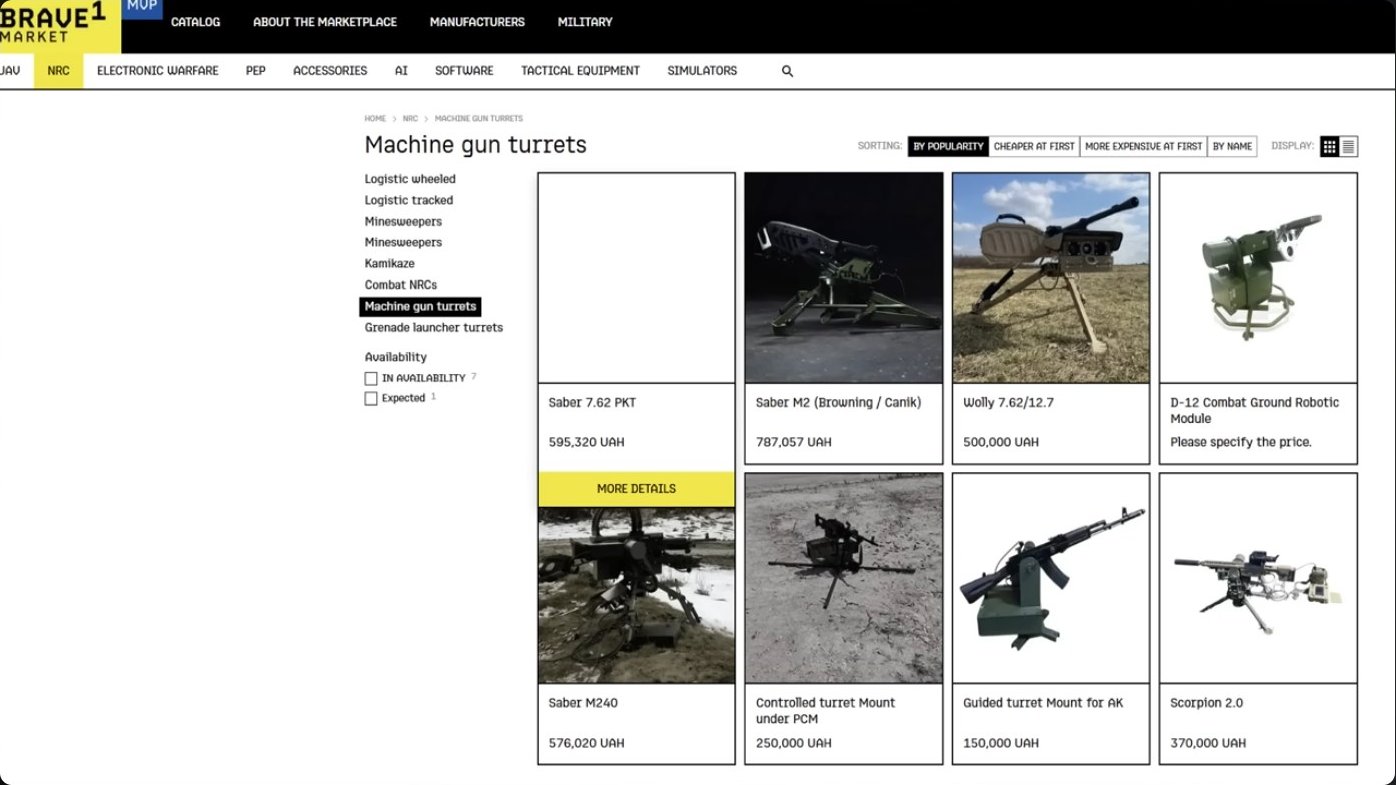
Registered military units browse the catalogue and place orders directly, similar to any commercial transaction. Logistics unmanned ground vehicles might cost 500,000 hryvnia (roughly $12,000 USD), while FPV drones run as low as $500 per unit. This eliminates traditional procurement intermediaries, allowing units to acquire equipment that matches their specific operational requirements rather than accepting standard issue alone.
The system's most unusual feature is its integration with a points-based incentive structure. Units conducting strikes upload evidence to Ukraine's Delta battle management system. Verified destructions earn points based on target type, with the point structure adjusted monthly to align tactical incentives with strategic priorities. Accumulated points appear on unit leaderboards and, critically, can be spent purchasing additional equipment from the marketplace.
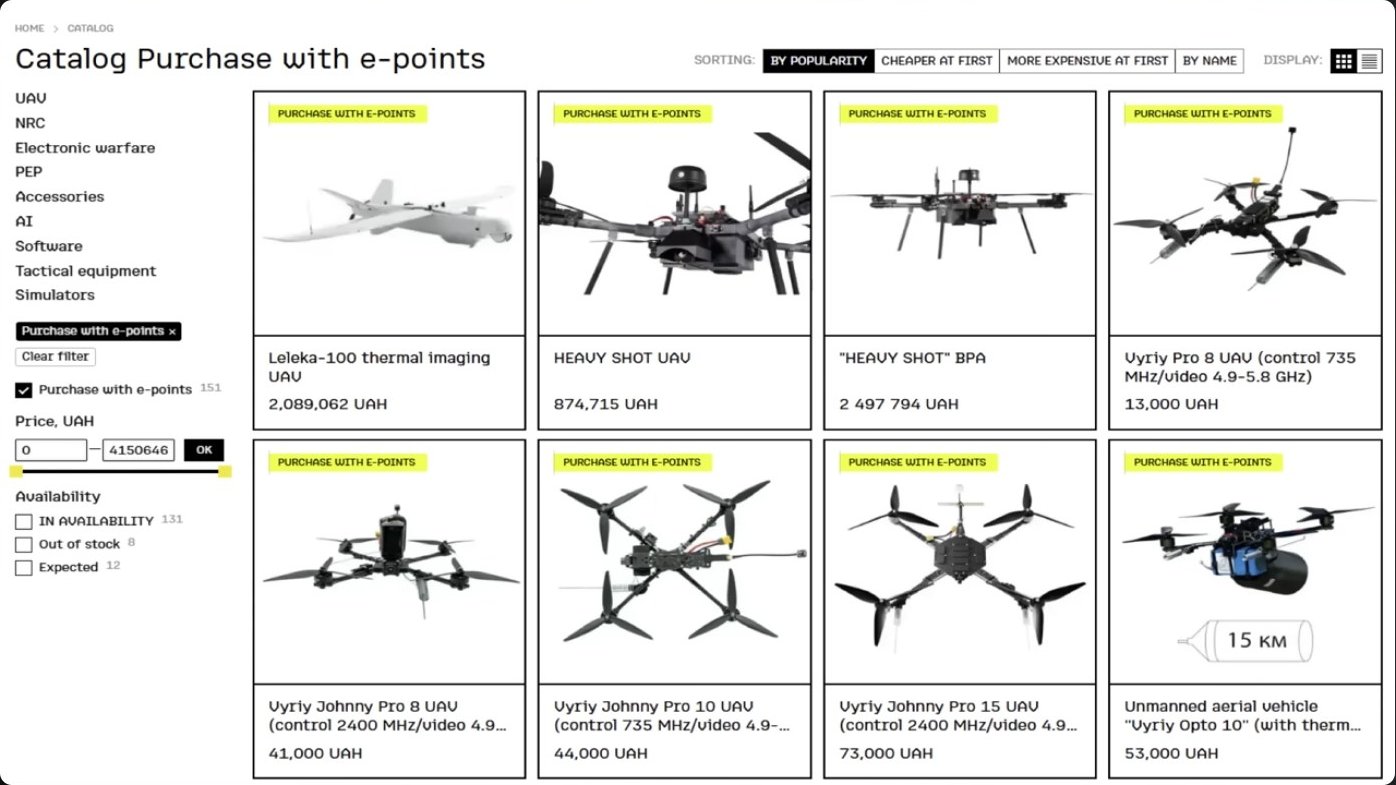
This model carries significant implications beyond just procurement efficiency. Competition between units for leaderboard positions may drive operational tempo. Better data tracking emerges naturally since units must document strikes to claim points. Resource distribution becomes performance-weighted—more effective units earn more points and can acquire more equipment, amplifying success. Whether this creates problematic incentives around target selection or reporting accuracy remains an open question, but as a wartime adaptation to procurement bottlenecks, it represents genuinely novel thinking.
The Corruption Tax
Abandoning peacetime procurement rules accelerates spending and equipment acquisition, but creates a new vulnerability: the wartime environment attracts fraudsters at industrial scale. High spending, urgent timelines, reduced oversight, and numerous officials empowered to sign contracts create ideal conditions for corruption. The defence spending pool during major conflict becomes, from a grifter's perspective, a baited trap with the trap mechanism removed.
The American Civil War provides some of the most egregious historical examples. Cheap shoes disintegrated, uniforms fell apart in rain, coats and blankets proved too thin for winter, weapons failed to fire, and gunpowder containers were found filled with sawdust. Animals arrived withered, old, or blind. Representative Charles Van Wyck's denunciation captured the scale: describing "the mania for stealing, almost from the general to the drummer's boy." The subsequently created Select Committee on Government Contracts found fraud so pervasive that post-war investigations revealed problems even worse than wartime officials had suspected.

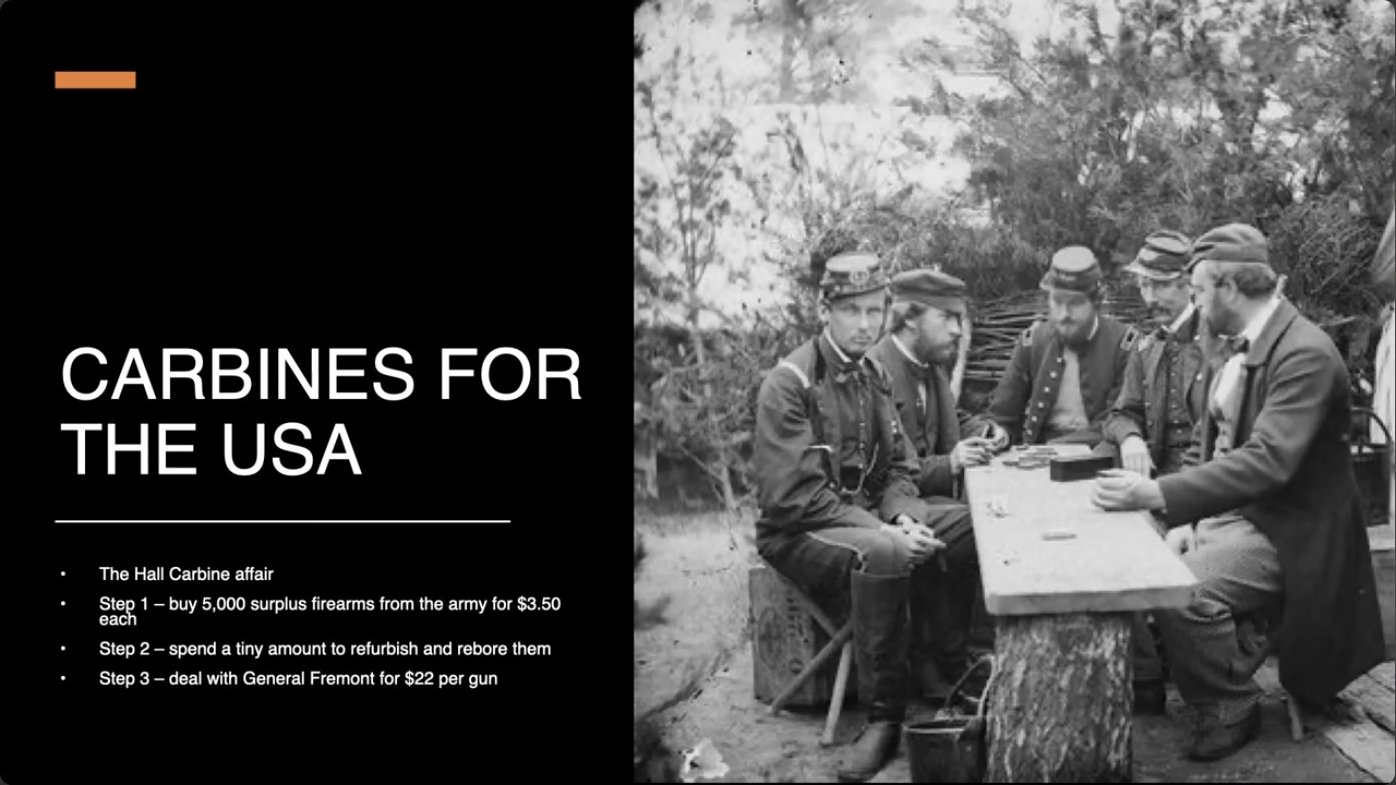
The mechanisms varied but exploitation of decentralised systems proved particularly lucrative. The Hall Carbine affair exemplified the pattern: purchase 5,000 surplus rifles from the army for $3.50 each, spend roughly 75 cents per gun on minimal refurbishment, then sell them back to a different army procurement officer for $22 per unit. Many such schemes weren't technically illegal—just spectacularly wasteful and corrosive to the overall system.
Modern examples demonstrate the problem persists across centuries. The ADE 651, marketed in the 2000s as a sophisticated explosives detector, was reportedly deployed widely at Iraqi checkpoints. The device purported to detect traces of explosives, drugs, or other target substances at ranges up to a thousand metres using "electrostatic magnetic-ion attraction" and interchangeable programming cards. In reality, investigators determined the device was a hollow plastic handle with a dowsing rod attached—the antenna wasn't even connected to the detection card. Based on novelty golf ball finders, these devices were sold to governments for thousands or tens of thousands of dollars each, despite having no more detection capability than random chance.
Even after exposure and the conviction of manufacturer Jim McCormick, some units reportedly continued using the devices, with one Iraqi army lieutenant acknowledging to journalists: "We know it doesn't work and that it has been banned, but we are continuing to use it." The psychological investment in procurement decisions can sometimes outweigh evidence of their failure.
Contemporary conflicts show the pattern continuing. Russian contractors have allegedly supplied body armour missing the actual protective Kevlar inserts, seeking to maximise profit by eliminating "optional" components like shrapnel protection. The chaos of wartime demand—enormous funding, extreme urgency, and overwhelmed verification systems—creates the conditions where such fraud can thrive despite potentially fatal consequences for soldiers.
The Cost of Unstandardised Arsenals
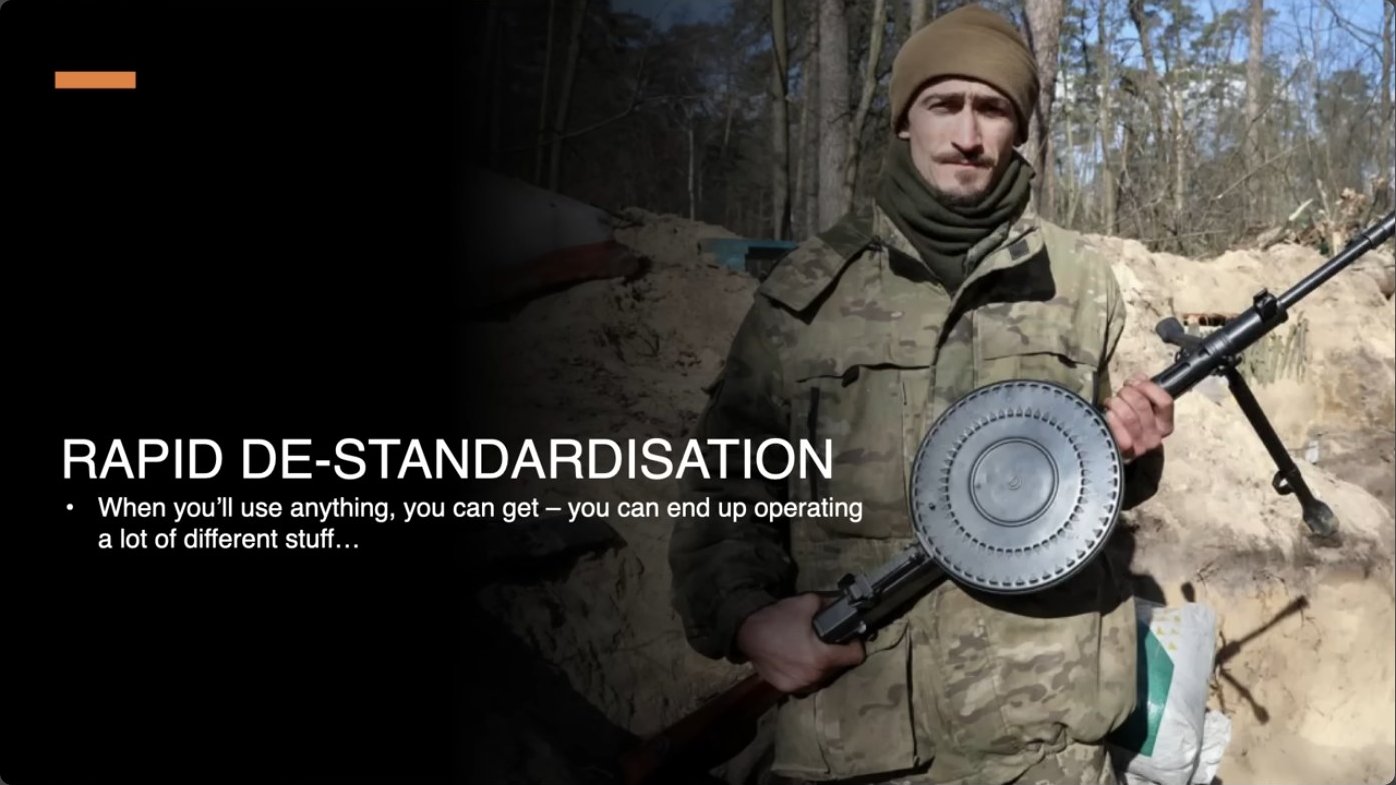
Even when emergency procurement succeeds in rapidly fielding equipment without falling prey to fraud, success creates its own problems. The scramble to acquire anything available inevitably produces extreme force diversity—a logistics nightmare that can burden military operations for years after the initial crisis passes.
Ukraine exemplifies this challenge. Where Russia expanded primarily by reactivating stored equipment of familiar types—older but standardised—Ukraine accepted whatever allies could spare. The result is extraordinary variety: over fifteen different self-propelled gun types, dozens of armoured personnel carrier variants spanning M113 derivatives, French VABs, Finnish XA-185s, British Spartans, American Strykers, Canadian LAVs, and German Boxers. The small air force operates Soviet Sukhoi and MiG variants alongside American F-16s in multiple versions, French Mirages, Swedish AWACS platforms, diverse helicopters, and potentially Swedish Gripens in future.
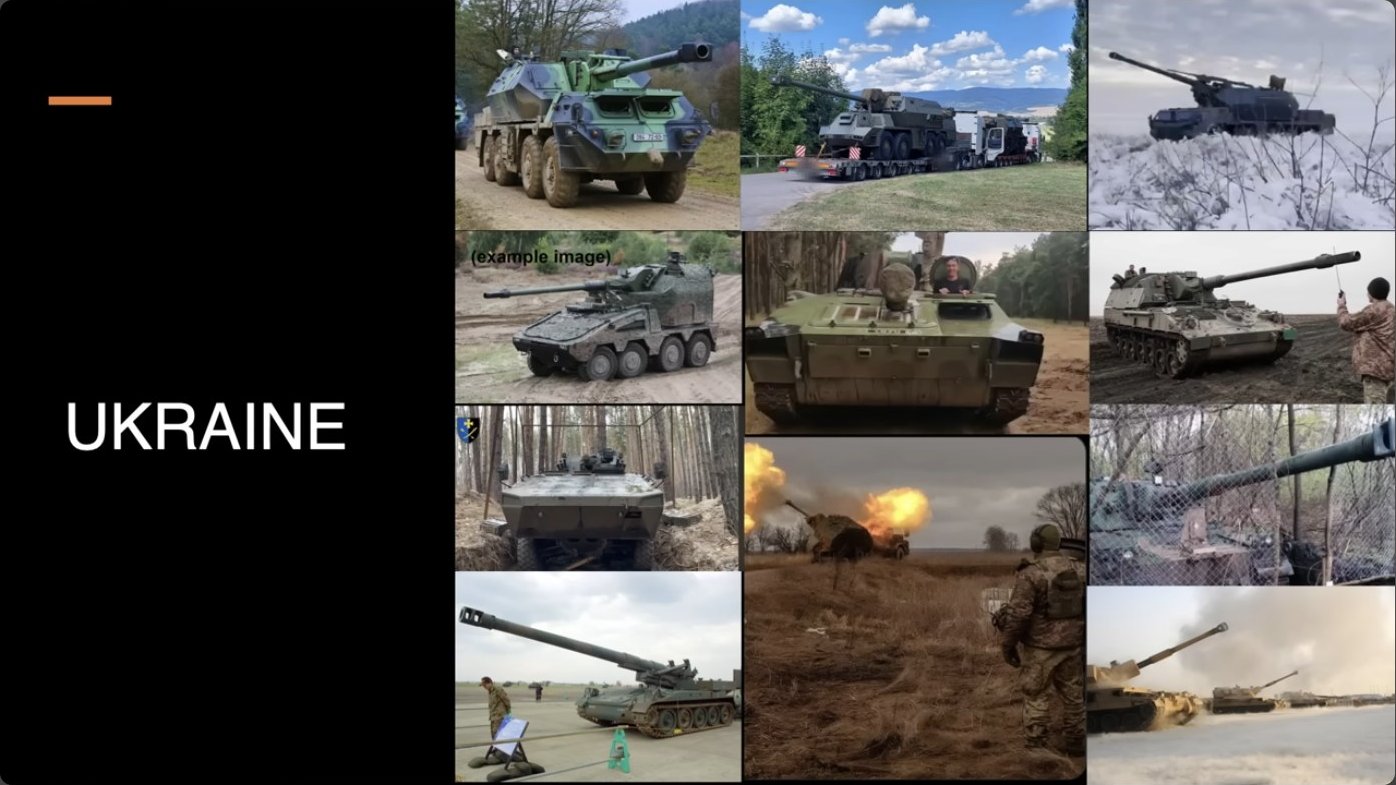
This diversity extracts a continuous tax from logistics and maintenance systems. Different vehicles require different parts, different training, different maintenance procedures, and different ammunition types. The Confederate army during the Civil War faced similar challenges with its zoo of firearms and artillery, forcing manufacturers like Tredegar Iron Works to produce ever-more projectile varieties as the war progressed. The Imperial Russian Air Service in World War One, despite being the largest Entente air force, struggled constantly with maintenance across its diverse fleet of primarily imported French and British aircraft of inconsistent quality.
The fundamental tension is unavoidable: during emergencies, some equipment beats no equipment. Turning away offered systems because they don't match existing inventory would be strategically foolish when facing imminent threats. But the resulting complexity imposes long-term costs on sustainability, training, and operational flexibility that persist well beyond the initial crisis.
Historical Precedents for Modern Challenges
Procurement failures during mobilisation can seem almost comically negligent in hindsight: ancient armies fielding archers without adequate arrows, tropical deployments without mosquito protection, cold-weather operations without appropriate gear, or campaigns where supply officers apparently forgot that soldiers require calories. In one documented case, troops ceased receiving rice rations not because rice was unavailable, but because the authorising order expired and no one in the procurement office renewed it in time.
These failures often stemmed not purely from incompetence or malice, but from systems designed for peacetime demand suddenly facing wartime load. A fire department scaled and optimised to handle one fire monthly cannot effectively manage twenty daily emergencies, regardless of how skilled its personnel or refined its procedures. The system simply wasn't designed for the volume it now faces.
Yet history also demonstrates that nations eventually solve these problems. Every major industrial war has featured a shell crisis, but none lasted forever. World War One France increased 75mm shell production from 4,000 daily in 1914 to 151,000 by mid-1916, and 155mm production from 235 to 17,000 daily over the same period. The solutions required resources, reforms, and institutional learning—but they materialised.
The patterns recur with sufficient consistency that modern planners can learn from historical precedent. Supply chain vulnerabilities in energetics production, skilled labour shortages, procurement system overload, fraud proliferation, and equipment standardisation challenges—these aren't novel problems requiring novel solutions. Countries have encountered and overcome them before, often developing approaches that remain relevant today.
The Economics of Preparation
The fundamental insight is that failing to prepare for economic mobilisation constitutes a massive false economy. Preparation carries costs, certainly—maintaining industrial capacity, stockpiling key inputs, training specialised workers, and funding more robust procurement systems all require resources. But these peacetime investments pale beside the costs of entering conflict unprepared.
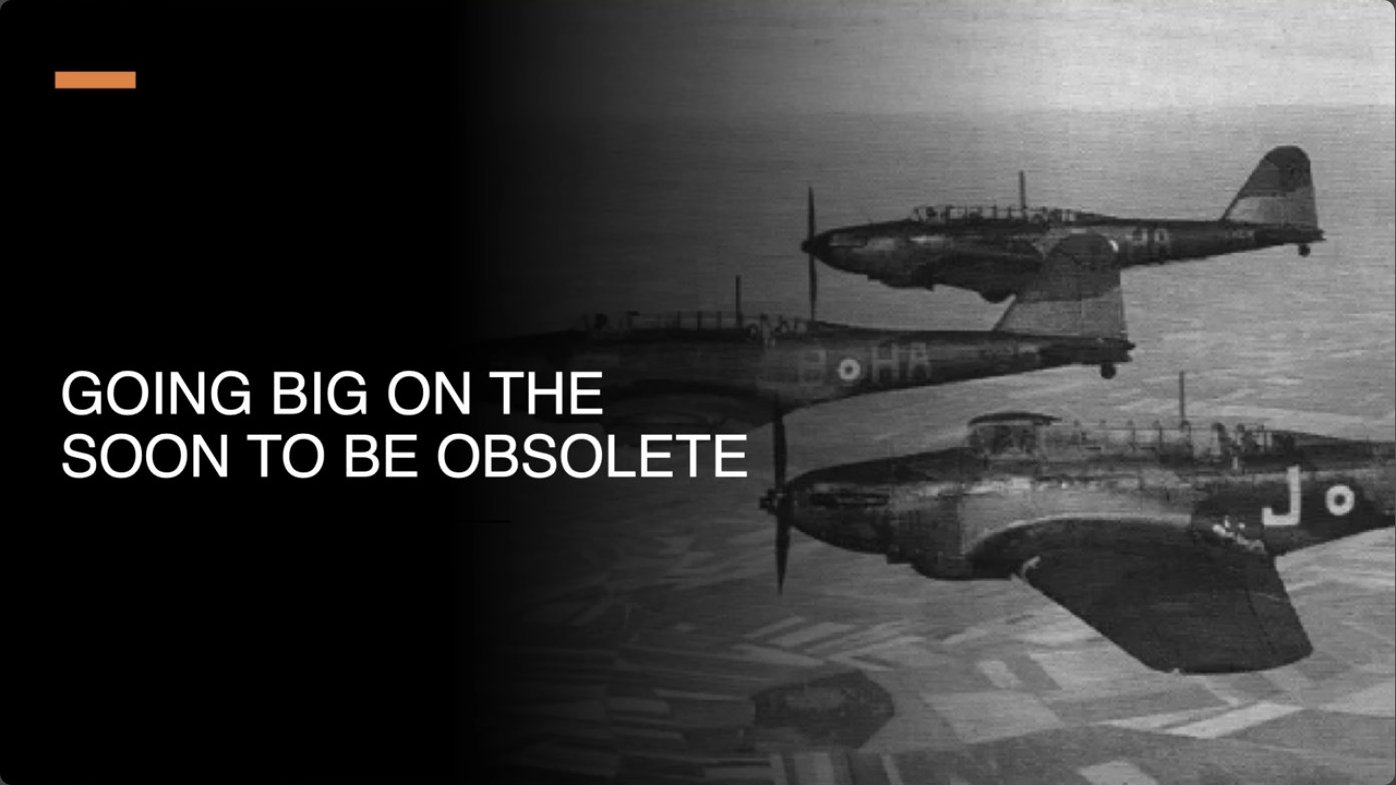
Poor preparation extracts its price in multiple currencies. Financially, emergency procurement costs far more than planned acquisition—witness the quadrupling of artillery shell prices between 2022 and 2024. Equipment diversity from emergency purchases imposes long-term logistical penalties. Quality issues from rushed production and inadequate oversight risk soldier lives. Corruption and fraud drain resources without generating combat power. Most critically, inadequate mobilisation capacity can prolong conflicts, increase casualties, and worsen strategic outcomes.
From a deterrence perspective, mobilisation capacity signals resolve and capability to potential adversaries. An opponent considering conflict must evaluate not just current military strength but projected strength six, twelve, or eighteen months forward. Demonstrating robust industrial capacity and refined mobilisation processes suggests that any conflict would face a well-supplied, rapidly expanding opponent—a powerful deterrent that functions without firing a shot.
The strategic implication is that effective preparation and rapid mobilisation capacity allow smaller peacetime forces to generate equivalent deterrence. Two nations might achieve identical deterrent effect with vastly different resource allocations if one demonstrates ability to rapidly scale production while the other cannot. The nation with robust mobilisation infrastructure can maintain smaller standing forces and stockpiles while achieving greater overall readiness—the economic efficiency that preparation enables.
Breaking the Cycle
Understanding mobilisation failures matters because the pattern is neither inevitable nor unsolvable. Nations routinely fumble the transition from peace to war, but the mechanisms of those failures are well-documented and often foreseeable. Peacetime funding constraints, supply shortages under sudden demand, procurement system overload, corruption during emergency spending, and equipment standardisation problems—each represents a known vulnerability with historical precedent.
The first step toward improvement is recognising that mobilisation capacity constitutes a critical component of defence capability worthy of sustained attention and investment. This isn't just about warfighting; it's about deterrence architecture. The goal isn't maintaining permanent war economies during peace, but rather ensuring that the shift between states can occur rapidly and efficiently when required.
Practical steps begin with mapping vulnerabilities. Which industrial sectors would face the greatest surge in demand during conflict? Where do critical supply chain dependencies exist, particularly for inputs like energetics that lack civilian demand? What is the current skilled labour pool in critical areas, and how quickly could it expand? How would the procurement system handle ten times normal volume? Where would bottlenecks emerge?
Addressing those vulnerabilities doesn't necessarily require massive peacetime spending. Maintaining warm production lines for key systems, preserving intellectual property and manufacturing processes for surge production, and ensuring robust supply chains for critical inputs can be achieved through thoughtful industrial policy rather than simple budget increases. Training pipelines for skilled workers, clear legal frameworks for emergency procurement authorities, and pre-planned procurement reforms that can activate during crisis all represent relatively low-cost preparation.
Perhaps most importantly, understanding mobilisation as a discrete phase of conflict with predictable challenges allows for realistic planning. Shell crises have occurred in virtually every major industrial war, yet they remain treated as surprises rather than expected problems requiring advance mitigation. If energetics production will become a bottleneck when conflict starts, that reality should inform peacetime industrial policy today.
The historical record suggests that nations eventually solve these problems once war forces the issue. France did increase shell production thirty-fold during World War One. Procurement systems do eventually adapt. Industry does scale up. But all of this happens slowly, expensively, and at the cost of early defeats and unnecessary casualties. The strategic opportunity lies in moving solutions earlier—from wartime improvisation to peacetime preparation. That transition, perhaps more than any weapons system or force structure, may determine the difference between conflicts deterred, wars won quickly, or campaigns prolonged into grinding attrition.
Key takeaways
- → The gap between peacetime and wartime demand for military equipment creates inevitable supply shocks that nations must plan for, not ignore.
- → Peacetime funding constraints often prevent adequate preparation, creating a false economy where underinvestment forces far higher costs once conflict begins.
- → Rapid mobilisation capability is itself a deterrent—potential adversaries must calculate not just current strength but projected strength months into a conflict.
- → Emergency procurement inevitably involves trade-offs: speed versus oversight, quantity versus standardisation, and immediate supply versus long-term sustainability.
- → Corruption and fraud proliferate during wartime mobilisation when normal oversight mechanisms are abandoned in favour of rapid spending.
- → Equipment diversity from emergency acquisition creates persistent logistics burdens that tax military operations long after the initial crisis passes.
- → Historical precedent shows that shell crises, skilled labour shortages, procurement bottlenecks, and supply chain failures recur across conflicts—making them predictable and thus addressable.
- → The most cost-effective defence investments often occur during peacetime, before crisis forces emergency spending at premium prices.